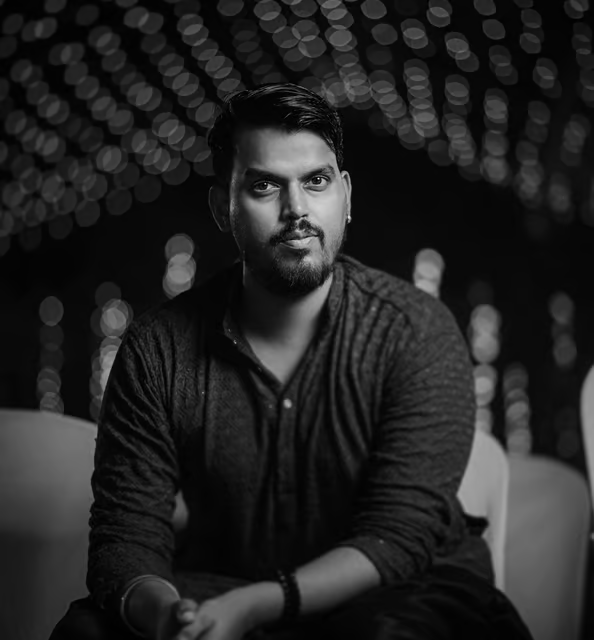
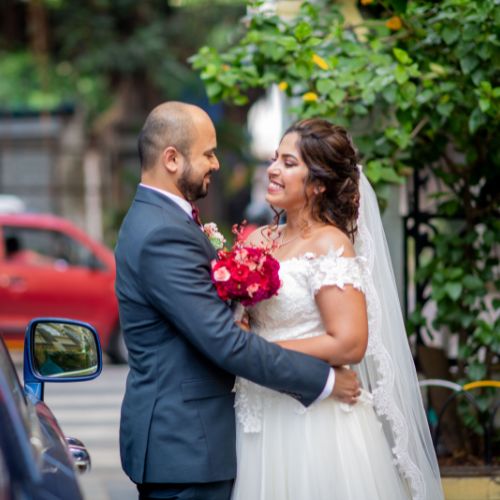
wedding photography is a specialized art form that requires a unique combination of technical expertise, creativity, and interpersonal skills. The importance of wedding photography cannot be overstated, as it captures the memories of one of the most significant events in a person’s life. In this comprehensive guide, wedding photography we will explore the various aspects of wedding photography, from its history and evolution to the essential skills needed to succeed in this field, including technical knowledge, equipment, shooting techniques, and post-production processes.
1. Introduction to wedding photography
Wedding photography is a form of photography that documents the events of a wedding day. It is more than just taking pictures; it involves telling a story through the lens of the photographer. The wedding photographer’s role is to capture moments that reflect the love, emotions, and beauty of the day, providing a visual record that the couple will cherish for a lifetime.
wedding photography has evolved significantly over the years. Early wedding photos were formal, posed, and taken in controlled studio environments. Over time, the art form has become more dynamic and diverse, with photographers increasingly adopting candid, documentary-style approaches alongside traditional posed shots. Today, wedding photography encompasses a variety of styles and techniques, reflecting the personal tastes and preferences of the couple and the creative vision of the photographer.
2. History and Evolution of wedding photography
The history of wedding photography dates back to the mid-19th century when photography was first introduced to the public. The earliest wedding photographs were taken in the studio, using long exposure times and cumbersome equipment. These early photos were often formal and posed, with little emphasis on capturing candid moments.
With the advent of more portable cameras in the late 19th and early 20th centuries, wedding photography began to move from the studio to the wedding venue itself. Photographers began to experiment with different angles, lighting, and compositions to capture more natural and spontaneous moments. The introduction of color photography in the 1940s and 1950s also brought a new dimension to wedding photography, allowing for richer, more vibrant images.
In the latter half of the 20th century, wedding photography became more diverse, with different styles emerging to cater to the varying tastes of couples. Traditional wedding photography, which emphasized posed group shots and formal portraits, remained popular, but documentary and photojournalistic styles gained in popularity. These approaches focused on capturing candid moments, telling the story of the wedding day as it unfolded.
In recent years, digital photography has revolutionized the industry, allowing photographers to experiment with new techniques and editing styles. The rise of social media has also influenced the way couples view and share their wedding photos, with many opting for more creative, Instagram-worthy images that reflect their personalities and individual styles.

3. Types of wedding photography Styles
One of the most exciting aspects of wedding photography is the wide range of styles available to couples. Each photographer brings their unique approach to the wedding day, and couples are often able to choose a photographer whose style resonates with them. Here are some of the most popular wedding photography styles:
3.1 Traditional wedding photography
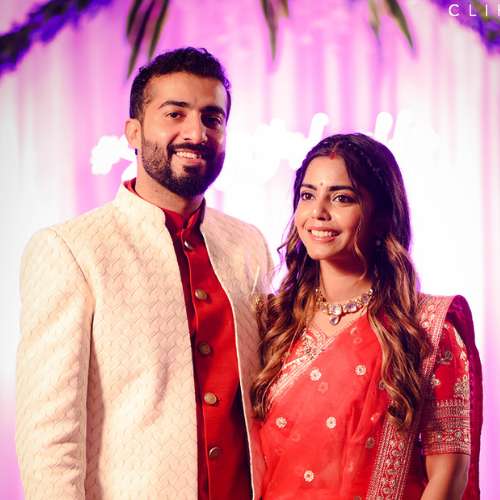
Traditional wedding photography is characterized by posed group shots, formal portraits, and staged moments. This style focuses on creating timeless images of the couple, their families, and the wedding party. The photographer works with the couple and their families to arrange group photos and capture significant moments, such as the first kiss, the exchange of vows, and the first dance.
While traditional wedding photography is often considered classic and elegant, it can sometimes feel stiff or unnatural, as it relies heavily on posed shots rather than capturing spontaneous moments.
3.2 Photojournalistic wedding photography
Photojournalistic or documentary wedding photography is a style that emphasizes capturing candid moments and telling the story of the wedding day as it unfolds. The photographer takes a more hands-off approach, allowing events to happen naturally and focusing on capturing authentic emotions and interactions.
This style often results in images that are more dynamic and emotional, as it emphasizes real moments rather than staged poses. Photojournalistic wedding photography is ideal for couples who want their wedding photos to reflect the true essence of their day.
3.3 Fine Art wedding photography
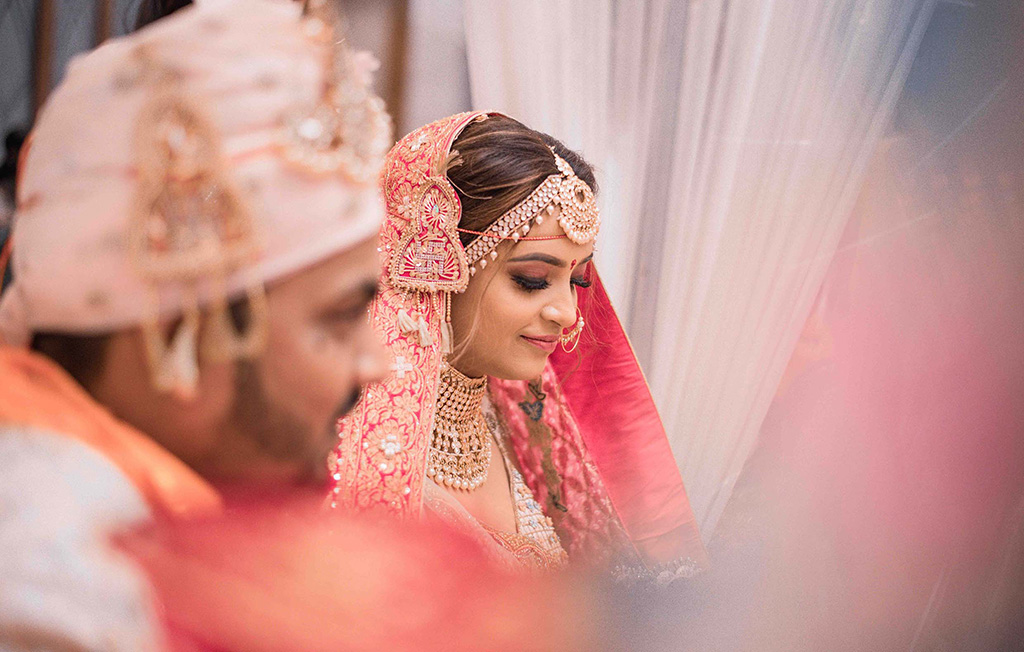
Fine art wedding photography is a style that focuses on creating visually stunning, artistic images. Photographers who specialize in fine art wedding photography often use soft lighting, creative compositions, and unique editing techniques to produce images that resemble works of art.
This style is ideal for couples who appreciate photography as an art form and want their wedding photos to have a timeless, artistic quality. Fine art wedding photographers often focus on capturing intimate moments, landscapes, and details, as well as the couple’s emotions and connection.
3.4 Modern wedding photography
Modern wedding photography is a contemporary style that blends elements of photojournalism and fine art photography. This style often features bold compositions, creative angles, and vibrant colors. Modern wedding photographers may experiment with lighting, backgrounds, and post-production techniques to create images that feel fresh, dynamic, and stylish.
Couples who choose modern wedding photography are often looking for something unique and fashionable that reflects current trends and their personalities.
3.5 Destination wedding photography
Destination wedding photography is a specialized area of wedding photography that focuses on capturing weddings that take place in exotic or far-flung locations. Photographers who specialize in destination weddings must be skilled at adapting to different environments and lighting conditions, as well as capturing the beauty of the location.
In addition to traditional wedding shots, destination wedding photographers often take advantage of the natural surroundings to create breathtaking images that showcase both the couple and the stunning backdrop.
4. Essential Skills for wedding photography
Wedding photography requires a combination of technical skills, creative vision, and interpersonal abilities. Here are some of the essential skills every wedding photographer should have:
4.1 Technical Proficiency wedding photography
Wedding photographers need to be technically proficient in using their cameras, lenses, and other equipment. This includes understanding exposure settings, shutter speed, aperture, and ISO, as well as knowing how to adjust settings for different lighting conditions. Photographers must also be familiar with post-production software like Adobe Lightroom and Photoshop to edit and enhance their images.
4.2 Composition and Framing wedding photography
Composition is a critical aspect of wedding photography. Photographers must have an eye for framing their shots in a way that is visually appealing and tells a story. This includes using techniques like the rule of thirds, leading lines, and symmetry to create balanced and engaging images.
4.3 Lighting wedding photography
Lighting is one of the most important factors in photography, and wedding photographers must know how to use natural and artificial light to their advantage. Understanding how to work with both ambient light and flash is essential for capturing clear, well-lit images in a variety of situations.
4.4 People Skills wedding photography
Wedding photographers often work with large groups of people, including the couple, their families, and the wedding party. Being able to direct people and make them feel comfortable in front of the camera is crucial. A wedding photographer must also be adept at reading the emotions of the couple and their guests to capture genuine moments.
4.5 Attention to Detail wedding photography
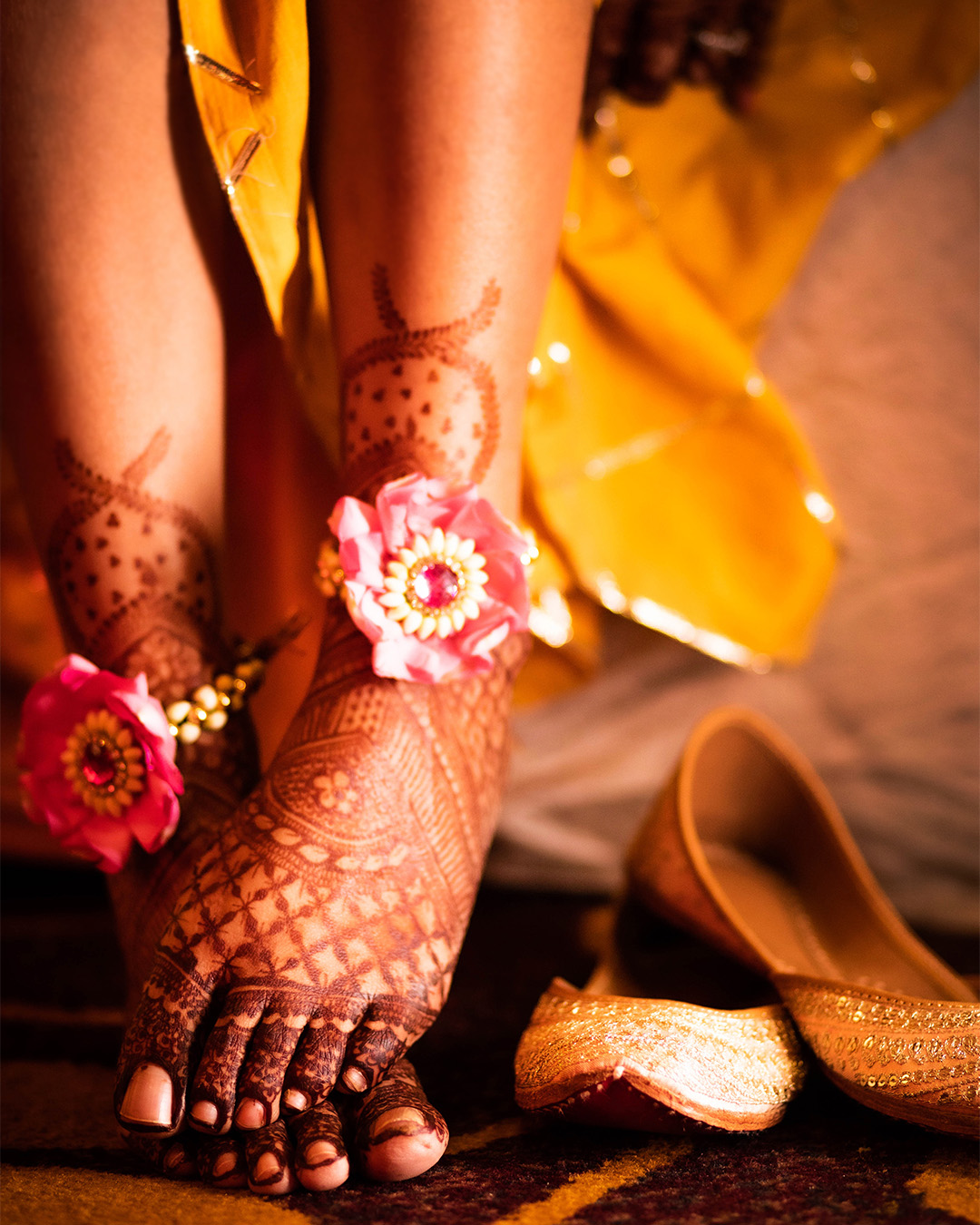
Wedding photography requires a keen attention to detail, as photographers must capture not only the big moments but also the small, intimate details that make the day special. This includes close-up shots of the wedding rings, flowers, decorations, and other elements of the ceremony and reception.
4.6 Time Management wedding photography
A wedding day is often fast-paced and filled with many important moments that need to be captured. Wedding photographers must be excellent time managers, ensuring that they are in the right place at the right time to capture all the key moments. This includes coordinating with the couple, the wedding planner, and other vendors to ensure a smooth flow of events.
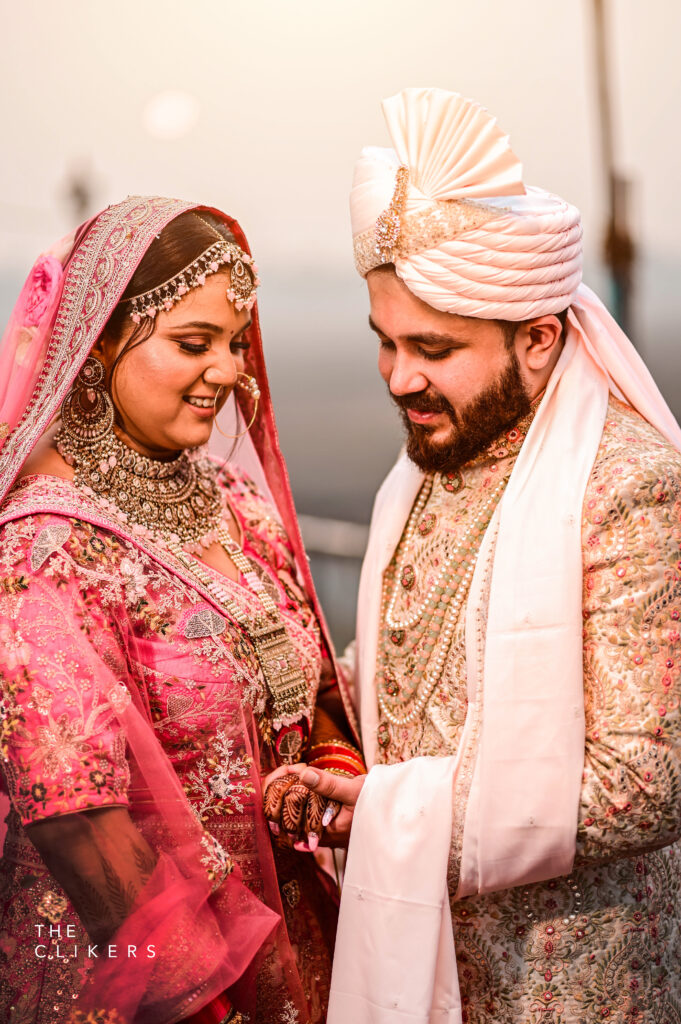
5. Essential Equipment for wedding photography
Wedding photographers require a variety of equipment to capture the best possible images. Here are some of the most essential tools of the trade:
5.1 Camera Bodies wedding photography
A wedding photographer typically uses one or more high-quality camera bodies to ensure they can capture sharp, detailed images in various lighting conditions. Many wedding photographers opt for full-frame DSLR or mirrorless cameras, which offer superior image quality and low-light performance.
5.2 Lenses wedding photography
Lenses are just as important as camera bodies, and wedding photographers typically use a range of lenses to achieve different effects. Common lenses include:
- Prime lenses (such as 50mm or 85mm) for portraiture and low-light shooting
- Zoom lenses (such as 24-70mm) for flexibility in framing
- Wide-angle lenses for capturing group shots and wide landscapes
5.3 Flash and Lighting Equipment wedding photography
Wedding photographers often use off-camera flash or external lighting to supplement natural light, especially in low-light situations. Having the right lighting equipment is essential for creating well-lit, flattering images in any environment.
5.4 Tripods and Stabilizers wedding photography
While wedding photographers rarely use tripods for every shot, they may use them for group photos or long-exposure shots. Stabilizers, like gimbals, are used for video or when shooting in motion to ensure smooth footage.
5.5 Backup Gear wedding photography
A reliable wedding photographer always carries backup equipment to ensure that technical issues do not ruin the day. This includes spare camera bodies, lenses, memory cards, and batteries.
6. The Wedding Day: Capturing the Moment wedding photography
The wedding day itself is a fast-paced and exciting experience, with many key moments to capture. A skilled photographer must be able to anticipate these moments and capture them as they happen. Some of the key moments to capture during a wedding include:
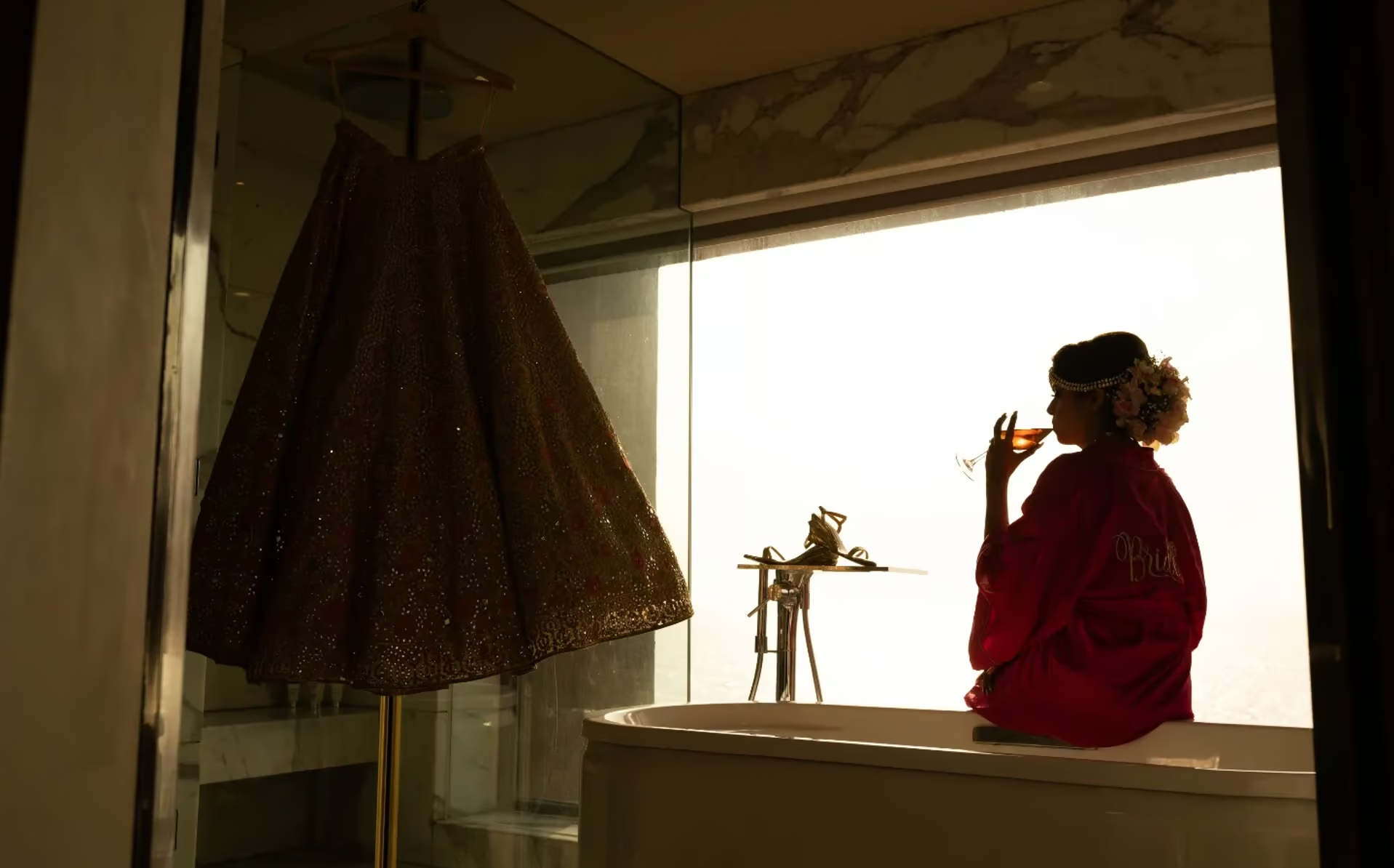
- Preparation: The bride and groom getting ready for the ceremony
- The First Look: A private moment where the couple sees each other for the first time before the ceremony
- The Ceremony: Key moments such as the exchange of vows and rings, the first kiss, and the walk down the aisle
- The Reception: The first dance, speeches, cake cutting, and dancing guests
In addition to these traditional moments, a wedding photographer will also seek to capture candid, emotional moments that tell the full story of the day.

7. Post-Production and Editing wedding photography
Post-production is an essential part of wedding photography. After the wedding, the photographer will carefully go through the photos, selecting the best shots and editing them for color, exposure, and composition. Editing can range from basic adjustments (such as cropping and straightening) to more advanced techniques like retouching skin tones or creating a specific mood with filters and presets.
The final edited images are usually delivered to the couple in both digital and print formats. Some photographers also offer additional services, such as creating wedding albums or wall art for the couple’s home.
Wedding photography is an art that transcends just capturing images of people on one of the most important days of their lives. It’s a delicate blend of love, care, and artistry. To understand wedding photography, one must delve into the emotional significance behind each click, the deep personal connection between photographer and couple, and the meticulous care that goes into every aspect of the process, from planning to post-production.
In this article, we’ll explore how wedding photography is intertwined with love and care. We’ll also delve into the emotional elements, the relationship-building between photographers and couples, and the meticulous attention to detail required to tell a couple’s unique story through imagery.
1. The Role of Love in wedding photography
1.1 Love as the Foundation of the Story wedding photography
At its core, wedding photography is about love. The love between two people who have chosen to share their lives together is the driving force behind every wedding photograph. Every moment captured, from the couple’s first glance at one another to the vows exchanged, represents a part of the love story unfolding before the photographer’s lens.
A wedding is not just a ceremony—it is a culmination of a relationship built on years of emotional investment, shared experiences, and, most importantly, love. A skilled wedding photographer must be able to see beyond the surface, recognizing the subtle moments that reflect the depth of the couple’s affection for one another. Whether it’s the way they hold hands, a smile exchanged in the midst of vows, or an intimate whisper during the reception, love is the invisible thread that ties every photograph together.
1.2 Capturing Love Through Candid Moments wedding photography
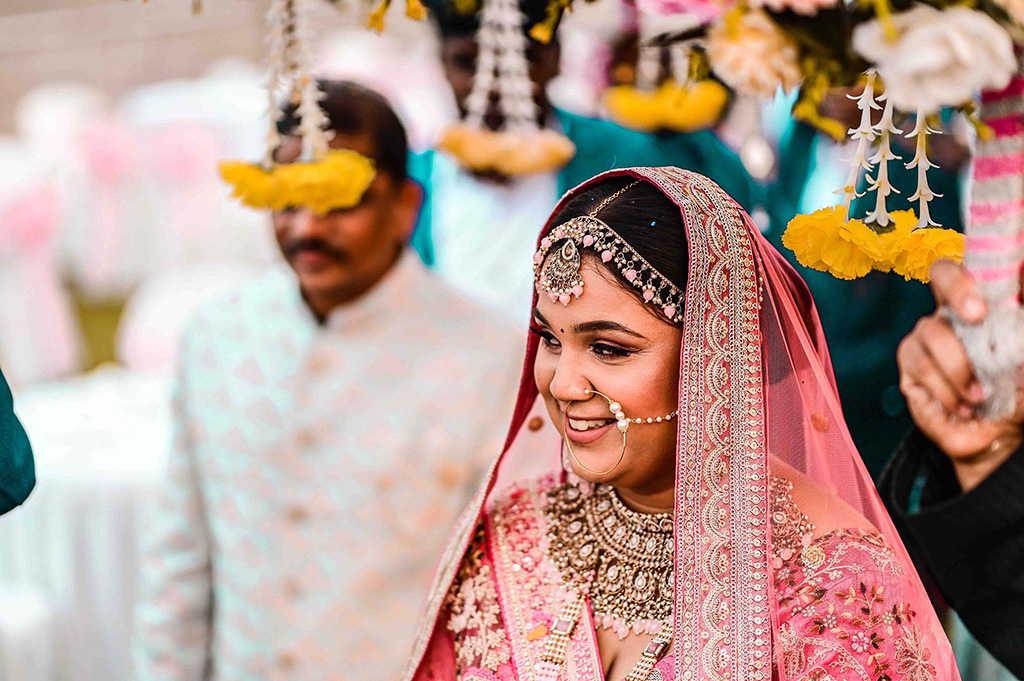
One of the most powerful ways to portray love in wedding photography is through candid moments. These spontaneous, unposed moments reveal the raw emotion and deep connection between the couple and their families. A true expression of love is often found when no one is looking—whether it’s a tear rolling down the bride’s cheek, a tender embrace shared during the first dance, or an unspoken glance that says everything.
Wedding photographers who specialize in documentary-style photography excel at capturing these moments of love. They take a step back and allow the couple to experience the day without feeling the pressure of being in front of the camera. By blending into the background, they ensure that the emotions captured are natural and unforced, telling the story of love as it unfolds.
2. The Importance of Care in wedding photography
2.1 Attention to Detail wedding photography
Care in wedding photography is demonstrated through an intense focus on details. The little things matter in the context of a wedding, and a photographer who cares about the final product pays close attention to every element of the day. From the carefully arranged floral centerpieces to the delicate lace on the bride’s dress, every tiny detail contributes to the atmosphere of love and celebration.
Photographers who are mindful of these nuances ensure that no moment, no matter how small, goes unnoticed. The wedding day is a sensory overload: the sounds of laughter and music, the smell of flowers, and the visual beauty of the day. A caring photographer seeks to capture not just the grand moments, but also the small, fleeting details that tell the story of the couple’s wedding in a holistic way.
2.2 The Emotional Connection with the Couple wedding photography
Wedding photography is about more than just technical skill; it’s about building a relationship with the couple. The photographer’s job is not just to take photos—they are there to support, guide, and reassure the couple throughout the day. Establishing a deep connection with the couple before the wedding day, through consultations, engagement sessions, and regular communication, helps create a trust that allows the couple to feel comfortable in front of the camera.
A photographer who genuinely cares about their clients invests time in getting to know them. Understanding their personalities, preferences, and the vision they have for their wedding day is crucial to delivering photographs that reflect the couple’s unique love story. The love and care that a photographer puts into the relationship with the couple show in the final images—they are not just pictures; they are authentic moments that represent the couple’s love and their journey together.
3. Building Trust: The Foundation for Love and Care wedding photography
3.1 The Power of Connection wedding photography
For wedding photography to truly reflect love and care, a connection between the couple and the photographer is essential. This bond allows the photographer to capture authentic moments of affection and tenderness. Without trust, the images can come across as stiff or forced, rather than heartfelt and genuine.
From the initial consultation to the wedding day, the photographer’s goal should be to create an environment where the couple feels relaxed and comfortable. This relationship-building process is as much about emotional care as it is about technical expertise. Couples should feel supported and confident that their photographer understands their vision and is invested in telling their unique story.
3.2 Empathy and Emotional Sensitivity wedding photography
Wedding photographers must possess a deep sense of empathy and emotional intelligence. Wedding days can be emotionally charged, and the photographer must navigate through moments of joy, stress, and sometimes sadness. Being sensitive to the emotions of the couple and their families allows the photographer to capture genuine moments without intruding on private emotions.
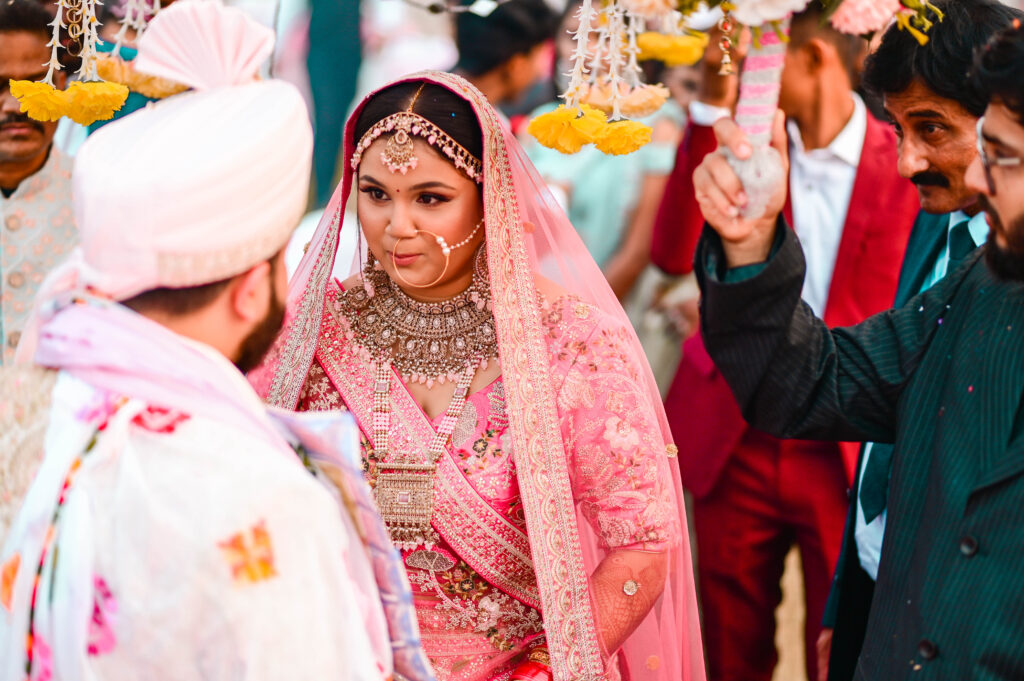
For instance, the photographer must be especially mindful during intimate moments such as when the bride is walking down the aisle or when the couple is sharing their vows. At these times, the photographer should not only focus on technical aspects but also recognize the emotional depth of the moment. Being in tune with these emotions allows for photographs that capture the essence of love, care, and joy.
4. The Careful Process of Planning a Wedding Shoot wedding photography
4.1 Pre-Wedding Consultations wedding photography
Planning is crucial in ensuring that a wedding day is captured with love and care. Before the wedding, photographers typically meet with the couple to discuss their expectations, preferences, and any special moments they would like captured. This is a time for the couple to express their vision for the day, and for the photographer to offer guidance on timing, locations, and shot lists.
The more care the photographer puts into this pre-wedding process, the more comfortable the couple will feel. A thorough discussion allows for any concerns to be addressed and for the photographer to better understand the couple’s dynamic. Photographers also gain insight into important family members and friends who might be involved in key moments, ensuring that no one is left out of the story.
4.2 The Importance of Shot Lists and Timelines wedding photography
A well-planned wedding timeline ensures that there is enough time to capture all the important moments, without feeling rushed. A timeline also allows the photographer to coordinate with other vendors, ensuring that the ceremony runs smoothly and all photos are taken in the right order.
Couples often have specific moments they want captured, such as the first look, the exchange of vows, or family portraits. A photographer who shows care will make sure these moments are given priority, while also being flexible enough to capture spontaneous moments that arise throughout the day.
5. Crafting Wedding Images with Love and Care wedding photography
5.1 Capturing Emotion: The Heart of wedding photography
The essence of love and care in wedding photography is found in the emotions that are captured. It’s not about having perfect lighting or flawless composition; it’s about the raw, unguarded moments that convey a couple’s connection. The best wedding photographs often feature joy, tenderness, and even moments of vulnerability.
A photographer who is deeply invested in capturing love will know when to be unobtrusive and when to offer direction. This balance ensures that the photographs are authentic and emotional, telling the couple’s story in the most heartfelt way possible.
5.2 Post-Processing: Enhancing the Story with Care wedding photography
Post-processing is an extension of the care that a photographer provides. After the wedding, a skilled photographer will carefully edit the images to enhance their beauty, ensuring that every photograph tells the intended story. Editing isn’t just about making the photos look good; it’s about maintaining the authenticity of the moment while enhancing the emotion and mood of each image.
Color correction, exposure adjustments, and retouching are part of the process, but the underlying goal is to preserve the emotion that was captured during the wedding. By paying attention to these details, the photographer ensures that the final images reflect the love and care invested in the day itself.
6. The Lasting Impact of wedding photography
6.1 Creating Timeless Memories wedding photography
The true value of wedding photography lies in its ability to preserve memories. A wedding album is more than just a collection of photographs—it is a tangible representation of a couple’s journey, a reminder of the love that brought them together, and a document that will be passed down through generations.
For the couple, wedding photos provide a lasting connection to the memories of their day, allowing them to relive their wedding day for years to come. For their families, these photos capture the love shared between the couple and the deep bonds they share with their loved ones.
6.2 A Legacy of Love wedding photography
The love and care invested in wedding photography create a legacy that extends beyond the couple. The photographs become part of family history, shared with future generations, evoking emotions that span decades. As couples age, they can look back at their wedding photos and remember the love they felt, sharing those memories with their children and grandchildren.
Wedding photography, in its most authentic form, is a legacy of love—one that continues to resonate long after the day itself.

Conclusion: A Beautiful Combination of Love and Care wedding photography
Wedding photography is not just about taking pictures; it is about telling a story of love, capturing the essence of a relationship, and documenting the beginning of a couple’s journey together. Love is the foundation of each image, while care ensures that every detail is attended to, creating photographs that reflect the true spirit of the day.
Photographers who approach their craft with love and care form lasting relationships with their couples, capturing authentic moments and creating timeless memories. Through their lens, they preserve the love, joy, and tenderness of one of life’s most significant milestones—ensuring that the couple’s love story is told for generations to come.
7. Conclusion wedding photography
Wedding photography is a highly specialized and rewarding field that combines technical skill with creative expression. Whether a photographer is capturing timeless posed portraits, candid moments, or stunning artistic images, their work will serve as a lasting record of one of the most significant days in a couple’s life. By developing the right skills, understanding different photography styles, and mastering their equipment, wedding photographers can create beautiful, meaningful images that couples will cherish forever.