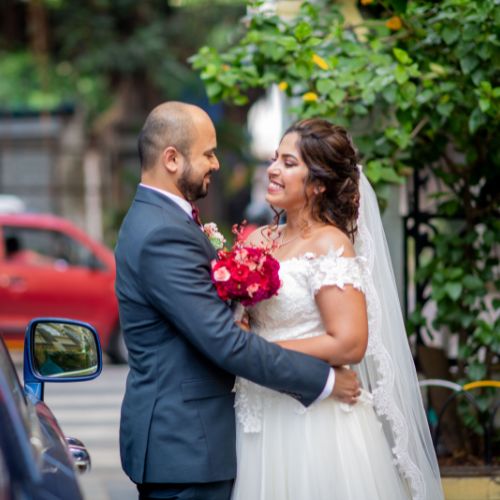
wedding photography holds an essential place in preserving the memories of a couple’s special day. Among the various styles, Traditional wedding photography stands out for its timeless appeal and structured approach. With its focus on classic poses and orchestrated moments, traditional wedding photography offers a nostalgic and polished representation of the day. However, like any style, it has both advantages and drawbacks that are worth exploring in depth.
The Essence of Traditional Photography wedding photography
Traditional wedding photography is characterized by its formal and carefully composed shots. It prioritizes capturing key moments and ensuring that all significant participants are included in group photographs. This style offers:
- Structure and Order:
- A planned approach ensures no critical moments or people are missed.
- Ideal for couples and families who value formal portraiture and classic aesthetics.
- Timeless Quality:
- Traditional poses and compositions have an enduring appeal.
- Provides iconic images that align with conventional wedding photo expectations.
- Involvement of All Guests:
- Group shots are systematically arranged, ensuring everyone feels included.
- Grandparents, extended family, and friends are often highlighted in organized photos.
The Positive Aspects of Traditional Photography wedding photography
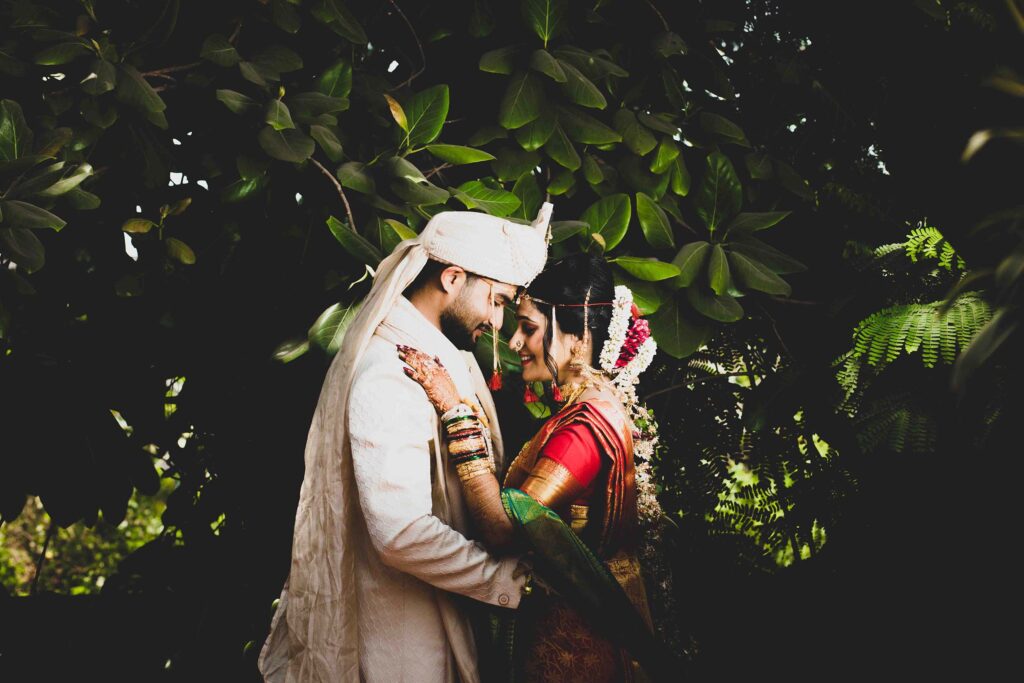
- Reliability and Consistency:
- A proven style that has stood the test of time.
- Provides a predictable outcome, which is reassuring for couples who prefer a structured approach.
- Comprehensive Coverage:
- Covers all essential moments, from the couple’s vows to family portraits.
- Ensures traditional elements of the wedding, such as the exchange of rings and cake cutting, are documented.
- Professional Guidance:
- The photographer actively directs poses and compositions, which is beneficial for couples who feel less comfortable in front of the camera.
- Enhanced Focus on Detail:
- Emphasis on attire, accessories, and décor ensures no significant detail is overlooked.
The Challenges and Negatives of Traditional Photography wedding photography
- Lack of Spontaneity:
- The structured nature of traditional photography can limit the capture of candid and emotional moments.
- It may feel overly posed or staged to some couples and guests.
- Time-Consuming:
- Arranging and directing group shots can be time-intensive.
- May reduce the time available for more spontaneous or creative shots.
- Guest Discomfort:
- Some guests may find the formal poses awkward or tiresome, particularly during extended photo sessions.
- Potential for Rigidity:
- Traditional photography’s adherence to classic poses might not suit couples seeking a more contemporary or relaxed vibe.
Balancing Traditional Photography with Other Styles wedding photography
For many couples, combining traditional photography with other styles can offer the best of both worlds. For example:
- Pairing traditional posed shots with photojournalistic photography provides a mix of formal and candid images.
- Including fine art photography adds an artistic and creative element to the collection.
- Hiring a second shooter can ensure that while one photographer handles traditional poses, the other captures spontaneous moments.
Preparing for a Traditional Photography Session wedding photography
- Pre-Wedding Consultation:
- Discuss key moments, preferred poses, and family dynamics with the photographer.
- Share a list of must-have shots to ensure everyone important is included.
- Efficient Scheduling:
- Allocate time for group shots without disrupting the flow of the day.
- Coordinate with the wedding planner to seamlessly integrate photo sessions into the schedule.
- Venue Scouting:
- Visit the venue in advance to identify ideal locations for posed shots.
- Plan for both indoor and outdoor settings to accommodate weather changes.
Examples of Iconic Traditional Shots wedding photography
- The Couple:
- Full-length portraits showcasing wedding attire.
- Close-ups of the couple exchanging rings or sharing their first kiss.
- Family Portraits:
- Generational photos, including grandparents and parents.
- Group shots with extended family and close friends.
- Ceremony Highlights:
- The processional and recessional.
- The signing of the marriage certificate.
- Reception Moments:
- Toasts, cake cutting, and the couple’s first dance.
- Formal shots with the bridal party and key guests.
Tips for Achieving the Best Traditional Wedding Photos wedding photography
- Choose the Right Photographer:
- Look for professionals with a portfolio showcasing traditional wedding photography.
- Ensure they have experience in managing large groups and formal settings.
- Communicate Expectations:
- Be clear about the desired style and specific shots.
- Provide a list of essential family members and friends to be included in group photos.
- Stay Organized:
- Assign a family member or friend to help coordinate group shots.
- Keep a checklist to ensure no moments or people are overlooked.
The Business Perspective wedding photography
- Marketing Traditional Photography:
- Highlight the timeless and reliable aspects of this style.
- Showcase iconic images in portfolios and on social media.
- Building Client Trust:
- Emphasize experience and the ability to handle diverse family dynamics.
- Offer packages that include a mix of traditional and contemporary styles.
- Staying Relevant:
- Blend traditional techniques with modern editing and presentation.
- Adapt to client preferences while maintaining the essence of the style.
Step 1: Master the Craft wedding photography
1.1 Develop Technical Skills wedding photography
Before marketing your services, ensure your wedding photography skills are refined. Key areas to focus on include:
- Camera Mastery: Understand manual settings like ISO, aperture, and shutter speed.
- Lighting Techniques: Practice using natural light, flash, and reflectors.
- Composition: Learn rules of framing, symmetry, and storytelling through visuals.
- Post-Processing: Master photo editing software such as Adobe Lightroom and Photoshop.
1.2 Build a Portfolio wedding photography
A strong portfolio is your most effective marketing tool. To build one:
- Offer free or discounted shoots for friends or family.
- Collaborate with wedding planners or stylists to create styled shoots.
- Showcase a variety of styles, including candid moments, posed portraits, and detail shots.
Step 2: Define Your Brand wedding photography
2.1 Establish Your Unique Style wedding photography
Identify what sets you apart. Whether it’s your artistic approach, editing style, or ability to capture emotions, make this a hallmark of your brand.
2.2 Create a Professional Identity wedding photography
- Logo and Name: Develop a memorable business name and logo.
- Website: Build a clean, visually appealing website that includes your portfolio, about section, and contact information.
- Social Media Presence: Use platforms like Instagram and Pinterest to share your work and engage with potential clients.
Step 3: Build a Reputation wedding photography
3.1 Provide Exceptional Client Experiences wedding photography
Word-of-mouth recommendations are invaluable in the wedding industry. To foster them:
- Communicate clearly and promptly with clients.
- Go above and beyond during shoots to make clients feel special.
- Deliver high-quality images on time.
3.2 Network Within the Industry wedding photography
- Collaborate with Vendors: Build relationships with wedding planners, florists, venues, and makeup artists.
- Attend Wedding Shows: Showcase your work at bridal expos to connect with potential clients and industry peers.
- Join Professional Associations: Membership in groups like the Wedding & Portrait Photographers International (WPPI) can enhance credibility.
3.3 Collect and Showcase Reviews wedding photography
Ask satisfied clients to leave testimonials on platforms like Google, Yelp, or your website. Positive reviews can significantly influence potential clients.
Step 4: Market Effectively wedding photography
4.1 Use Digital Marketing wedding photography
- SEO: Optimize your website to rank for local wedding photography keywords.
- Social Media Ads: Run targeted ads on Instagram and Facebook.
- Blogging: Write articles about wedding photography tips or showcase recent shoots to attract organic traffic.
4.2 Partner with Wedding Platforms wedding photography
Partnering with wedding platforms is a powerful strategy to expand your reach and establish credibility in the industry. These platforms serve as a bridge between photographers and couples planning their weddings, providing access to a vast audience actively searching for services. Here’s how to effectively leverage wedding platforms to grow your business:

4.2.1 Understand the Benefits of Wedding Platforms wedding photography
- Increased Visibility: Platforms like The Knot, WeddingWire, and Zola are popular among engaged couples and can significantly boost your exposure.
- Targeted Audience: These platforms attract users specifically looking for wedding-related services, ensuring your marketing efforts reach a relevant audience.
- Credibility: Being listed on reputable wedding platforms enhances your professional image and builds trust with potential clients.
- Lead Generation: Many platforms offer tools to help you track inquiries, respond to leads, and manage bookings.
4.2.2 Choose the Right Platforms wedding photography
Research and select platforms that align with your target market and business goals. Consider factors such as:
- Regional Popularity: Some platforms may have a stronger presence in certain geographic areas.
- Cost: Evaluate the subscription fees or commission structures.
- Features: Look for platforms that offer analytics, marketing tools, and customizable profiles.
4.2.3 Create a Compelling Profile wedding photography
Your profile is the first impression couples will have of your business. To make it stand out:
- Showcase Your Best Work: Include high-quality images that highlight your style and expertise.
- Write a Captivating Bio: Share your story, approach to photography, and what makes your services unique.
- Client Reviews: Feature testimonials from satisfied clients to build trust.
- Pricing Information: Provide transparent pricing or package details to help couples make informed decisions.
4.2.4 Engage Actively wedding photography
Maximize the benefits of wedding platforms by staying active:
- Respond Quickly: Promptly reply to inquiries to show professionalism and enthusiasm.
- Update Regularly: Keep your profile fresh by adding new photos, reviews, and content.
- Participate in Forums: Engage with users in discussion boards or forums to showcase your expertise.
4.2.5 Leverage Advertising Opportunities wedding photography
Many platforms offer paid advertising options to increase your visibility. Consider investing in features like:
- Featured Listings: Appear at the top of search results.
- Sponsored Content: Promote your services through platform blogs or newsletters.
- Exclusive Deals: Offer discounts or packages to attract more bookings.
4.2.6 Track and Analyze Performance wedding photography
Use the analytics tools provided by wedding platforms to measure your success. Monitor metrics like:
- Profile Views: Track how often your profile is viewed.
- Inquiry Rates: Measure the number of inquiries you receive.
- Conversion Rates: Assess how many inquiries turn into bookings.
4.2.7 Build Relationships Through Platforms wedding photography
Wedding platforms often host events or webinars for vendors. Participate in these opportunities to network with industry professionals, learn best practices, and gain insights into market trends.
4.2.8 Diversify Your Presence wedding photography
While focusing on major platforms, don’t overlook niche platforms that cater to specific demographics or regions. These can be valuable for targeting unique client segments.
Step 5: Financial Planning and Growth wedding photography
5.1 Price Your Services Strategically wedding photography
Start with competitive pricing to build your client base, then gradually increase rates as your reputation grows.
5.2 Diversify Revenue Streams wedding photography
- Offer prints, albums, and other products.
- Provide engagement or anniversary shoots.
- Conduct photography workshops for aspiring photographers.
5.3 Invest in Your Business wedding photography
Reinvest a portion of your profits into better equipment, marketing, and education to continuously improve.
Step 6: Expand and Evolve wedding photography
6.1 Hire and Train Assistants wedding photography
As demand grows, consider hiring second shooters or assistants to manage larger events. Training your team ensures consistency in the quality of work and helps you cover more extensive or simultaneous events. Assistants can also take on administrative tasks, allowing you to focus on creativity and client interactions.
6.2 Stay Current wedding photography
Trends in wedding photography evolve. Stay ahead by:
- Learning New Techniques: Experiment with different photography styles, such as drone photography or cinematic videography.
- Attending Workshops and Conferences: Engage with industry experts and peers to expand your skills and stay updated on the latest tools and technologies.
- Following Industry Blogs and Social Media: Regularly check platforms like Instagram, Pinterest, and wedding magazines to understand current trends.
6.3 Scale Your Business wedding photography
Scaling your wedding photography business can open up new opportunities and revenue streams. Here’s how:
- Destination Weddings: Expand your services to include destination weddings. This requires additional planning and marketing but can attract a high-end clientele.
- Form a Team: Build a team of skilled photographers under your brand. This allows you to book multiple events on the same day, increasing your income potential.
- Create a Studio: Consider opening a photography studio to offer additional services such as pre-wedding shoots, family portraits, or boudoir photography.
6.4 Develop Partnerships wedding photography
Collaborate with venues, planners, and other vendors to offer bundled services. Being part of a preferred vendor list can increase your bookings and establish your credibility in the industry.
6.5 Focus on Client Relationships wedding photography
Long-term success depends on strong client relationships. Maintain communication with past clients, and offer anniversary shoots or family sessions. Happy clients are more likely to refer you to their network.
6.6 Adapt to Technological Changes wedding photography
Invest in cutting-edge equipment and software to enhance your services. Explore tools like AI-powered editing software, cloud storage for easy image delivery, and advanced cameras for superior image quality. Technology can streamline your workflow and provide a better client experience.
6.7 Build Passive Income Streams wedding photography
- Online Courses: Teach aspiring photographers through online classes or tutorials.
- Sell Stock Photos: Use images from weddings to create a portfolio of stock photography.
- Write a Book or Blog: Share your expertise through a book or blog, establishing yourself as an authority in the field.
6.8 Expand Your Marketing Efforts wedding photography
- YouTube Channel: Start a channel to showcase your work, share behind-the-scenes footage, or provide tips for couples planning their weddings.
- Podcast: Host a podcast about wedding photography or the wedding industry to reach a broader audience.
- Collaborate with Influencers: Partner with wedding influencers to feature your work and attract new clients.
6.9 Stay Resilient and Innovative wedding photography
A wedding photography adaptability is key to staying relevant in a competitive market. Monitor client feedback, market trends, and industry developments. Be open to experimenting with new ideas to ensure your business continues to thrive.
Conclusion wedding photography
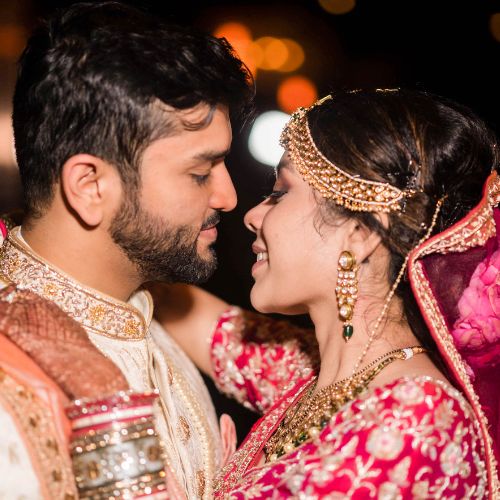
Traditional wedding photography remains a cornerstone of wedding celebrations, valued for its timeless elegance and structured approach. While it may lack the spontaneity of candid styles, its reliability and comprehensive coverage ensure that no important moment is missed. By understanding its strengths and challenges, couples can make informed decisions to create a wedding album that resonates with their vision. Balancing tradition with modern trends can result in a collection of images that truly captures the essence of their special day, creating cherished memories for generations to come.