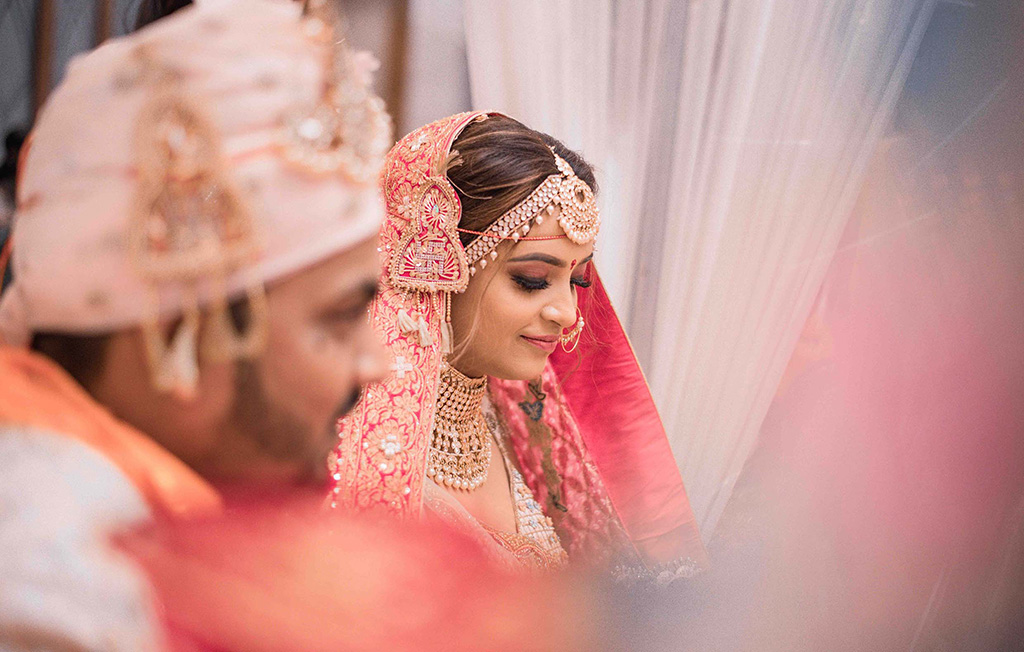
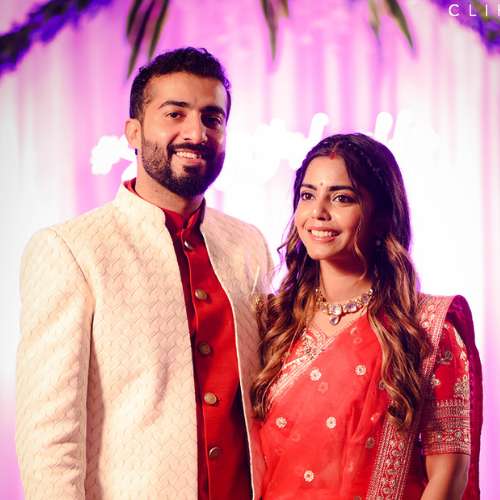
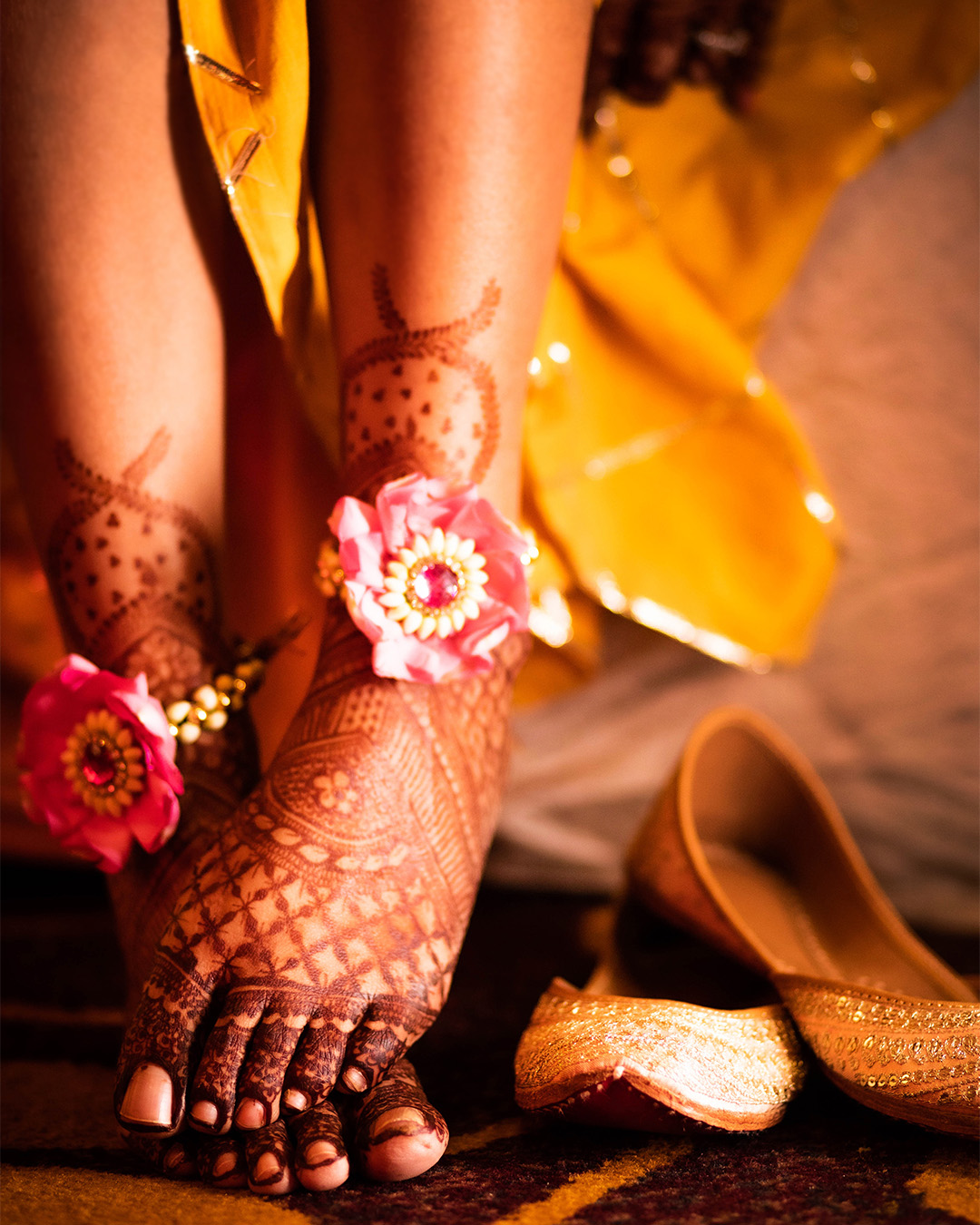
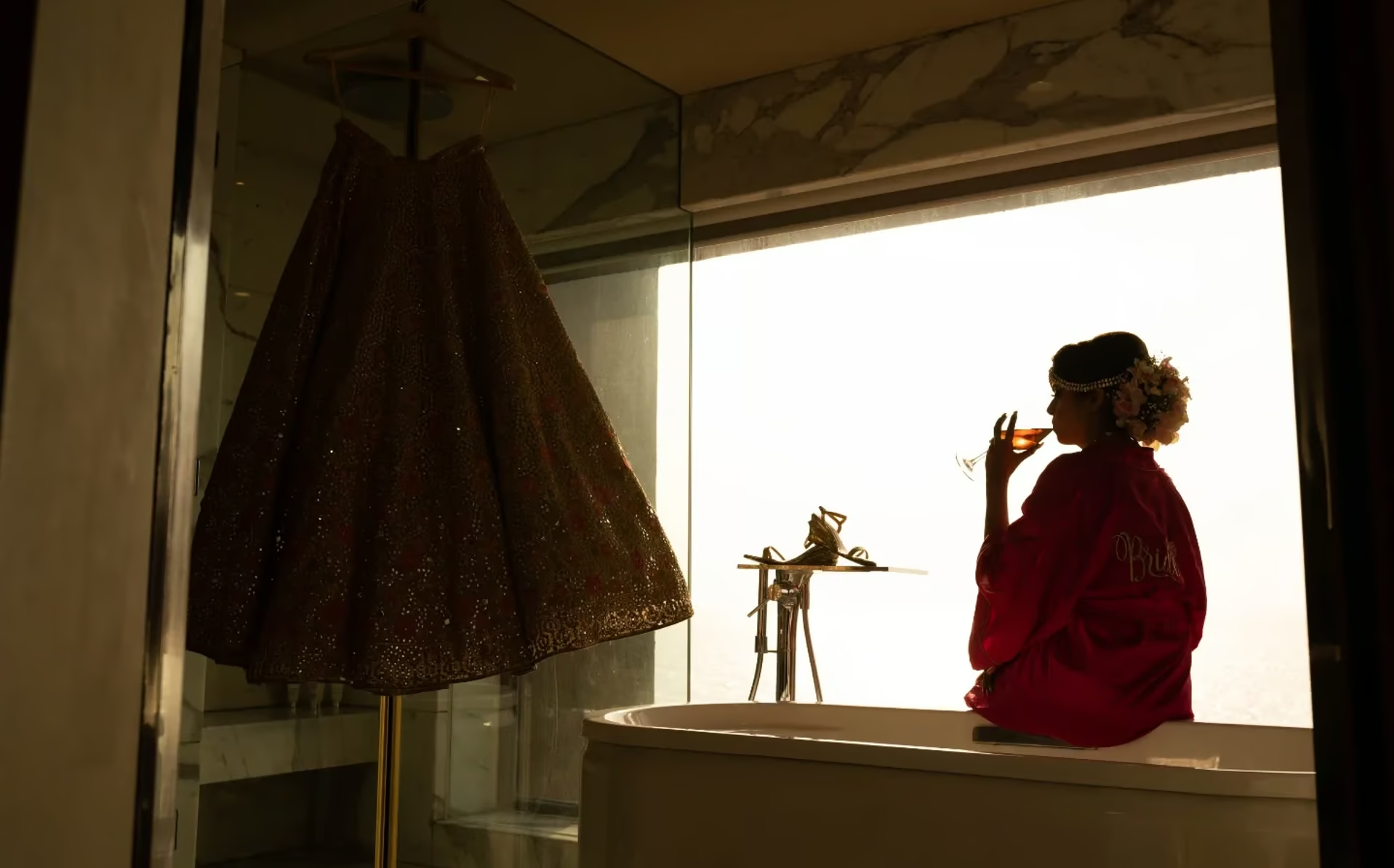
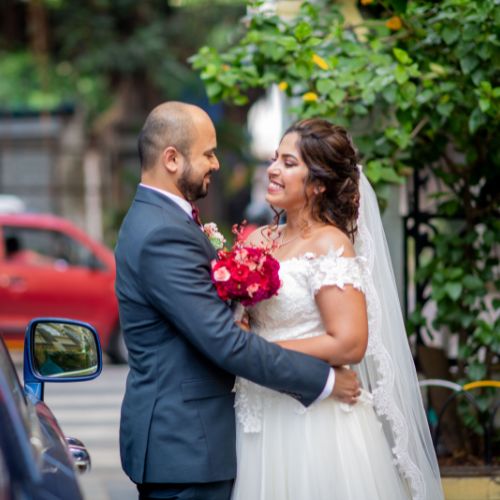
wedding photography is more than just capturing moments on camera. It is an emotional journey, a celebration of love, commitment, and connection. Every wedding tells a unique story, and through the lens of a photographer, these moments are immortalized in a way that not only preserves memories but also conveys the deep emotions of the day.
The Emotional Essence of wedding photography
wedding photography is fundamentally about storytelling. It’s about capturing the emotions, the rawness of the moment, and the love between two people embarking on the greatest journey of their lives together. While weddings can be grand affairs filled with beautiful decorations and grandiose events, it’s the subtle, intimate moments—the quiet glances, the tear-filled eyes, and the smiles that speak volumes—that truly define the heart of wedding photography.
The First Look wedding photography
One of the most emotional moments a photographer captures is often the “first look” between the couple. This moment usually takes place before the ceremony, when the couple sees each other for the first time in their wedding attire. The anticipation leading up to this moment is palpable. When the groom sees his bride for the first time, there’s often an expression of awe and wonder, and it’s a moment that stands still in time. The bride’s emotions, too, are equally powerful, often filled with vulnerability, excitement, and the overwhelming realization that this is a day she’s dreamed of for so long.
The photographer must be attuned to these emotions, capturing not only the couple’s faces but also the subtle body language that communicates the depth of their connection. The first look isn’t just about taking a picture; it’s about preserving a feeling—a memory that the couple can look back on and relive every emotion they felt in that moment. The stillness before the chaos of the day can often be more profound than any other moment of the wedding.
The Ceremony: The Heartbeat of the Wedding Day wedding photography
The wedding ceremony itself is the emotional climax of the day. This is where the vows are exchanged, where promises are made, and where the couple becomes one in the eyes of family and friends. Photographers need to be present yet unobtrusive, capturing moments without interrupting the flow of the ceremony. The moments during the ceremony are some of the most powerful, and the ability to capture them authentically is what sets great wedding photographers apart.
The emotions at the ceremony are multifaceted. The groom, often standing at the altar, feels a mixture of nerves and anticipation. As the bride walks down the aisle, there’s a collective sense of awe from the guests, and often, the groom will be overwhelmed with tears or an expression of pure joy. The emotionality of the ceremony extends beyond the couple. Parents may be seen wiping away tears as they watch their child take this monumental step in their life, and friends share knowing glances as they witness the union of two people they love.
A skilled photographer will capture these moments of joy, vulnerability, and solemnity. It’s about being in tune with the couple’s emotions and the environment of the ceremony, balancing the grandeur of the event with the delicate moments of connection between people.
The Vows: A Moment of Truth wedding photography
When couples exchange vows, there’s an undeniable emotional weight. Vows represent promises, hopes, and dreams, and they embody the essence of the couple’s commitment to one another. For the couple, this is often a deeply personal moment—sometimes tender, sometimes humorous, but always meaningful. As the couple exchanges vows, emotions can range from nervous laughter to tearful speech, and a photographer must be able to freeze this raw emotion in time.
The best wedding photographers don’t just take pictures—they witness these promises. They take the time to focus on the couple’s expressions, the subtle shift in their body language, and the way they hold hands or make eye contact. A photograph of this moment can encapsulate the depth of their relationship, capturing not just the words spoken but the intensity behind them. It’s a moment that, when revisited years later, reminds the couple of the vows they made and the love they’ve built.
The Family wedding photography
A wedding day is not just about the couple—it’s also a celebration of the families that helped shape them. A wedding marks the blending of two families, and this transition can evoke a great deal of emotion. For parents, watching their child marry the love of their life can stir a mixture of pride, joy, and bittersweet nostalgia. For siblings, there’s often a sense of joy and camaraderie as they witness their sibling’s next chapter.
Capturing family moments, particularly candid shots of parents or grandparents, is an important aspect of wedding photography. These are the people who have supported the couple throughout their lives, and their expressions during the ceremony, speeches, and family portraits reveal the depth of love and connection that transcends the couple’s immediate bond. The photographer must be sensitive to the unique family dynamics at play and be able to capture the most poignant moments.
A photograph of a parent’s loving gaze toward their child, or a sibling’s joyful tear during the ceremony, speaks volumes of the emotional landscape of the day. It’s a moment of connection not just between the couple but with the broader support system of love that surrounds them.

The Reception: Celebrating Love and Togetherness wedding photography
The reception is often the time when the emotional energy of the day transforms into pure celebration. The formality of the ceremony gives way to laughter, music, and dancing. The reception is where friends and family come together to celebrate the union, and the photographer’s role here is to capture both the festive and emotional moments that highlight the joy of the occasion.
The first dance between the newlyweds is an emotional moment filled with love and intimacy. Whether it’s a slow, romantic song or an energetic, fun dance, the photographer captures not just the couple’s movements but the emotions behind them. This is a public display of the couple’s deep connection, and it’s a moment they will want to remember for years to come. It’s also a chance for family and friends to witness the couple’s love in a different light—through a shared, joyful celebration.
To capture these moments, the photographer needs to understand the dynamics of the reception. The laughter, the spontaneous moments, the embrace of friends, and the joy of family members all tell a larger story of love, unity, and the support system the couple is entering into. Wedding photography is as much about documenting relationships as it is about documenting the events of the day.
The Details: Love in the Small Things wedding photography
While the big moments get much of the attention, wedding photography also captures the small, seemingly insignificant details that hold deep emotional meaning. The delicate lace of the bride’s gown, the carefully chosen rings, the flowers handpicked with love, the handwritten notes exchanged between the couple—each of these details represents a piece of the couple’s journey. These quiet, intimate moments often hold the most significance, and they evoke nostalgia when viewed years after the event.
The photographer’s ability to capture these details is vital in preserving the emotional essence of the day. These are the moments that bring memories flooding back—moments that transport the couple back to the feelings of anticipation, joy, and love they experienced on their wedding day. It’s often the subtle things, such as a handkerchief passed down through generations or a flower tucked behind the bride’s ear, that tell the true story of the day’s significance.
Post-Wedding Reflection wedding photography
The emotional impact of wedding photography doesn’t end when the event concludes. In fact, it is only when the couple sees the photos for the first time that they fully realize the depth of what has transpired. Wedding photos are not just about how the day looked—they are about how it felt. A photograph of the couple’s shared glance or a shot of their intertwined hands says more than any words could ever express. It brings back the feeling of the moment, whether it was the laughter shared during the reception or the intimate exchange of vows.
As the couple looks through the photographs, they are taken back to the love, joy, and sometimes even the nervousness they felt on their wedding day. The emotional journey continues as they relive their wedding through the photographs—their love captured in an instant, frozen forever.
The Power of wedding photography
Wedding photography is an art form rooted in emotion. It’s a celebration of love, family, and connection, and it serves as a timeless reminder of one of life’s most significant milestones. Through the lens of a skilled photographer, the raw emotion of the wedding day is captured in all its beauty, creating an everlasting archive of love and joy.
For the couple, these photographs become a part of their family’s legacy. They are shared with children and grandchildren, passed down through generations as a testament to the love that started it all. Wedding photos are not just images—they are emotional artifacts, chronicling a journey that has only just begun.
The emotional essence of wedding photography is what makes it so powerful. It’s not about simply documenting an event; it’s about capturing the soul of the day, the unspoken moments, the fleeting expressions, and the depth of love between two people. Wedding photography transforms moments into memories, and memories into stories that last a lifetime.
Wedding photography is an art form that goes beyond technical skill; it is deeply intertwined with emotions, particularly the most powerful of human emotions—love. Love is at the heart of every wedding, and it is the photographer’s task to capture that love in its purest and most meaningful form. A wedding photographer is not merely taking pictures; they are documenting the essence of a couple’s journey together, preserving the emotions, the connections, and the promises made. Every glance exchanged, every hand held, and every tear shed is a testament to love, and it is the photographer’s role to encapsulate those moments in a timeless way.
In this exploration of wedding photography through the lens of love, we will delve into how wedding photography serves as a visual representation of love—capturing its fleeting moments, immortalizing its promises, and preserving its legacy. By looking at the nuances of wedding photography in relation to love, we can understand the profound responsibility and beauty of the craft.
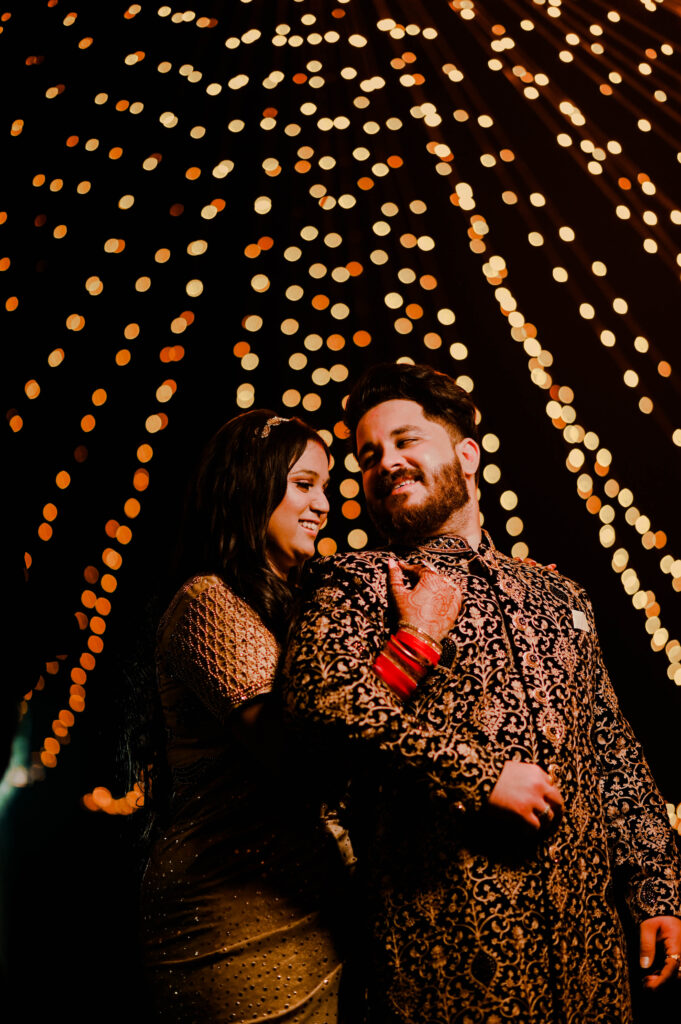
The Role of Love in wedding photography
At the core of wedding photography is the emotional narrative of love. A wedding is a celebration of two people uniting their lives in a bond of love and commitment. A photographer, by capturing this event, becomes an integral part of this journey. Through their lens, the photographer witnesses the couple’s love story unfolding before them—perhaps years of dating, a marriage proposal, and now the wedding day, the pinnacle of their love journey. The photographer’s goal is to preserve the pure essence of love: the excitement, the vulnerability, the joy, and the commitment.
1. Capturing the Emotion of Love in Moments wedding photography
Wedding photography is an intricate dance of observing and capturing emotion. In a single glance, a couple can express more than words could ever say. A photograph of the couple’s first look or the moment the groom sees his bride walking down the aisle can encapsulate the entire depth of their love—joy, surprise, awe, and tenderness. A wedding photographer must anticipate these moments, be present in them, and capture them in a way that reflects the intensity of the emotions involved.
Love, at its core, is fleeting. It is an emotion that can change with time, evolve in complexity, and deepen in richness. What wedding photography does so beautifully is freeze these fleeting moments of love in time. The expression on the groom’s face as he sees his bride, the bride’s smile as she gazes at her soon-to-be husband, or the quiet tears during the vows—these moments are like an ephemeral dance of emotions. A skilled wedding photographer captures the beauty of these exchanges, knowing that they won’t be replicated again.
2. The Visual Representation of Love wedding photography
Love is not always visible to the naked eye. It is often found in the smallest of gestures—a hand held tightly during a first dance, a comforting touch during a nervous moment, or the way two people’s eyes lock during an intimate exchange. These moments of love, though subtle, are powerful. Wedding photography allows these expressions of love to be seen. It transforms the invisible nature of love into something tangible and lasting.
The use of lighting, composition, and angles can dramatically enhance the representation of love in wedding photography. Soft lighting may evoke a romantic atmosphere, while a wide shot of the couple standing together may symbolize their unity and togetherness. The photographer’s skill in composition is essential in framing the moments of love so that they convey the depth and emotion behind the actions.
In a wedding album, each image contributes to telling the story of love. The sequence of photographs—from getting ready in the morning to the last dance of the evening—serves as a visual representation of the love story unfolding. These images often become a cherished collection, a visual journey that couples can revisit throughout their lives, evoking the same emotions and warmth they felt on the day they got married.
3. The Intimate Connection Between Photographer and Couple wedding photography
A wedding photographer is often more than just a vendor; they become a silent witness to a couple’s most intimate moments. To effectively capture love in all its nuances, a photographer must develop a connection with the couple. Understanding the personalities, dynamics, and unique aspects of the couple’s relationship enables the photographer to anticipate their emotions and photograph them in a way that feels natural and genuine.
For example, some couples may be more expressive with their emotions, while others may be quieter and more reserved. The photographer must adapt to the couple’s personalities, knowing when to step back and let the moments unfold organically, and when to guide them for the perfect shot. A photographer who understands the couple’s love language, how they interact with each other, and what makes them feel comfortable can produce images that truly reflect their love and connection.
This intimate connection is particularly important in the candid moments. While posed portraits are an essential part of wedding photography, it is often the candid shots that capture the true emotion of the day. A candid moment between the couple—an intimate whisper, a shared smile, a stolen kiss—can convey the depth of love better than any planned shot. A wedding photographer who is tuned into these moments is able to document them in a way that feels authentic, making the photographs more meaningful.
4. The Power of Vows and Promises wedding photography
Wedding vows are the spoken embodiment of love. They are the promises a couple makes to one another as they embark on their journey of life together. The exchange of vows is a highly emotional part of the ceremony, and it often elicits tears, laughter, and deep emotion from both the couple and their guests. A wedding photographer’s role during the vow exchange is critical. They must be present to capture the raw emotions—whether it is the groom’s voice trembling as he speaks his vows, or the bride’s eyes welling up with tears as she promises her heart to her partner.
The photographer must anticipate the significance of this moment. It is one of the few times during the wedding when the couple speaks directly from the heart, expressing the depth of their feelings. The photos taken during this moment become the visual representation of the promises made—promises that will carry the couple through their marriage. The images of the vow exchange can serve as a constant reminder of the love that was publicly declared and the commitment made before family and friends.
5. Love in Family Connections wedding photography
While the couple’s love for one another is the focal point of the wedding, the love between family members is also an important part of the day. Weddings bring together not only the couple but also their families, and it is in these moments of connection that we see love in its purest form. The joy of a father giving away his daughter, the mother’s tear-filled eyes as she watches her child get married, or the shared laughter of siblings during the reception—all of these are expressions of love.
A wedding photographer must be sensitive to these moments, capturing not just the couple’s love but also the love within their families. These images often carry deep emotional significance for both the couple and their families. The photographs of family members are cherished reminders of the support, love, and unity that surround the couple on their wedding day. The moments between family members—whether it’s a hug, a shared glance, or a joyful dance—add another layer to the story of love being told.
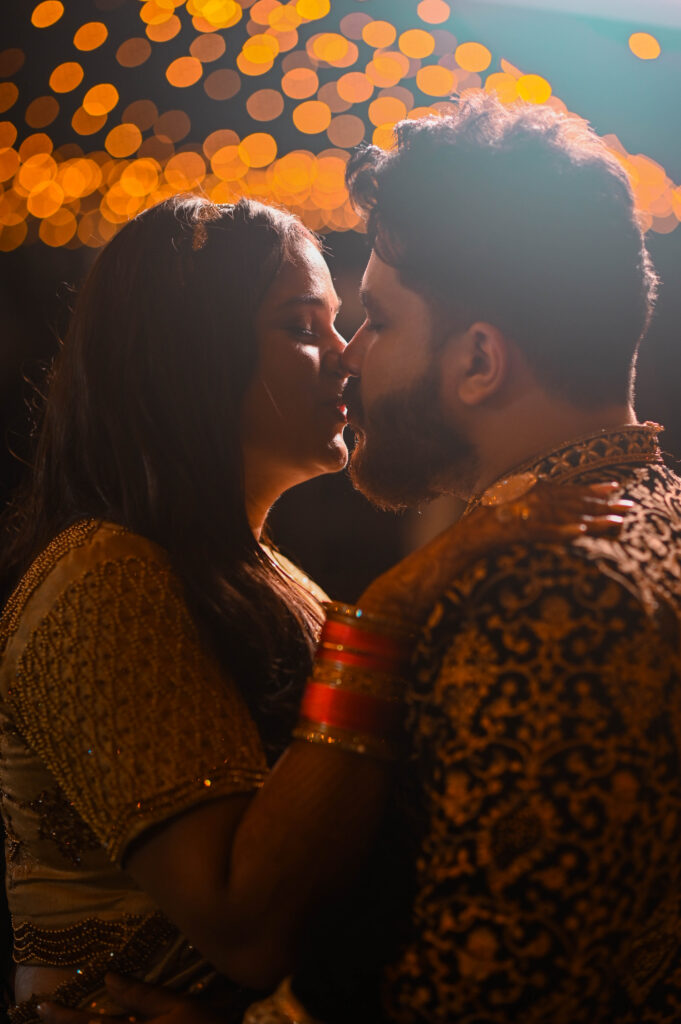
The Love Story Beyond the Wedding Day wedding photography
Wedding photography does not only capture the events of the wedding day itself; it is a visual representation of a love story that extends beyond the ceremony. The engagement session, for example, is a prelude to the wedding day. It offers an opportunity to explore the couple’s love in a more relaxed, natural environment. The photographer is able to capture the essence of the couple’s relationship before the pressures and formalities of the wedding day take center stage. Engagement photos are often filled with tenderness, playfulness, and moments of quiet intimacy. These images are a reflection of the love that has already existed between the couple long before the wedding, and they set the stage for the promises made on the wedding day.
Wedding photography also has the power to capture the continuation of a couple’s love story. After the wedding, couples may look back at their wedding photos to relive the emotions of the day. These photographs become a reminder of their love and commitment, serving as a visual record of the promises they made and the joy they shared on their wedding day. They can look back at their wedding album and remember not only the details of the day but the deeper emotions—their love, their excitement, and the beginning of their lifelong journey together.
The Enduring Legacy of Love Through wedding photography
One of the most beautiful aspects of wedding photography is its ability to preserve love for future generations. The photographs taken on a couple’s wedding day often become family heirlooms, passed down from one generation to the next. Children and grandchildren may one day look through the wedding album, learning about the love story of their grandparents. These images provide a window into the past, offering future generations a glimpse into the love that began it all.
Wedding photography also has the ability to document the evolution of love. As couples revisit their wedding photos over the years, they are reminded not just of the day itself but of how their love has deepened and grown. The photographs may capture moments of joy, but they also remind couples of the challenges they have overcome together, the memories they have created, and the life they have built. In this way, wedding photography becomes a timeless legacy of love—a reminder of where it all began and a testament to the strength of the bond between two people.
Conclusion: Love Captured, Love Preserved wedding photography
Wedding photography is an art that transcends the act of taking pictures. It is about capturing love in its many forms—romantic love, familial love, and the love shared between friends and family. A wedding photographer’s task is not just to document the events of the day but to capture the emotion, the intimacy, and the connection that defines love. Through the lens, a photographer immortalizes these fleeting moments of joy, excitement, and tenderness, creating a visual record of love that will endure for years to come.
Wedding photography is more than a profession; it is a profound responsibility to document one of the most important days in a couple’s life. Through careful attention to the moments of love, a wedding photographer creates a lasting tribute to the love that was celebrated on that day. These photographs serve as timeless reminders of the emotions and promises made, preserving love in its purest and most beautiful form.
Wedding photography is a highly valued profession that plays a crucial role in preserving the memories of one of life’s most significant events. However, like any art form, wedding photography comes with both positive and negative aspects. In this discussion, we will explore both the advantages and the challenges of wedding photography, providing a comprehensive analysis of the industry and its impact on the couples and photographers alike.
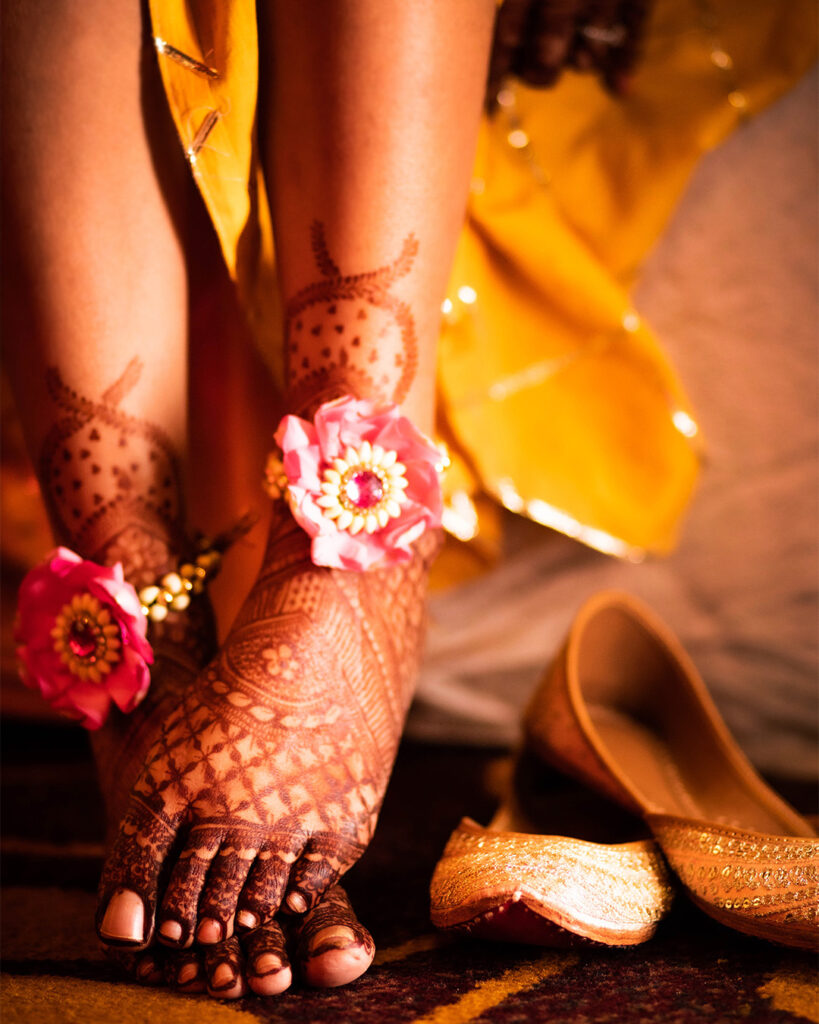
Positive Aspects of wedding photography
1. Capturing Life’s Most Significant Moments wedding photography
One of the most obvious and significant benefits of wedding photography is its ability to capture a couple’s most memorable and significant moments. Weddings are milestones in a person’s life, marking the union of two people in front of family and friends. Photographers are tasked with immortalizing these moments so that the couple can relive them for years to come. From the emotional first look to the final dance, wedding photographers capture the raw emotions that define the day—joy, love, excitement, and happiness. These photos often serve as timeless reminders of a day that was a dream come true for many couples.
The photographs taken on a wedding day are not simply pictures—they are emotional artifacts that carry deep personal meaning. For couples, these photos can serve as a reminder of the love and commitment shared on their wedding day. The wedding album becomes a cherished heirloom that can be passed down to future generations, telling the story of their love and family history.
2. Creative Expression wedding photography
Wedding photography allows photographers to express their creativity. Each wedding is unique, and photographers often approach each event with a fresh perspective. From the style of shooting to the editing process, wedding photographers can infuse their own artistic flair into each image. Whether they favor a more traditional, classic style or lean towards a modern, artistic approach, photographers have the freedom to experiment with angles, lighting, and composition to create beautiful and visually striking images.
Moreover, wedding photography gives photographers the opportunity to work in various settings, from outdoor beach weddings to luxurious ballroom receptions. Each setting presents its own set of challenges, but it also provides the chance to adapt and use different techniques, thus encouraging creative problem-solving and artistic growth.
3. Building Lasting Relationships with Clients wedding photography
Wedding photographers have the privilege of working closely with couples during one of the most significant days of their lives. Over time, this leads to the building of personal relationships. Many photographers are invited to capture not only weddings but also other milestones such as engagements, maternity shoots, and family portraits. This continuous connection allows the photographer to grow with the couple as they embark on new chapters in their lives.
For photographers, the relationships formed with clients can be deeply rewarding. It can also lead to positive word-of-mouth referrals, which are essential for sustaining a successful photography business. As a wedding photographer builds their portfolio and reputation, their work often speaks for itself, helping to establish a loyal client base that continues to grow over time.
4. A Rewarding Profession wedding photography
Wedding photography is, for many, a dream job. The profession offers both creative fulfillment and financial rewards. Wedding photographers have the opportunity to work in a dynamic and ever-changing environment, with each wedding offering new experiences and challenges. The satisfaction of delivering a beautiful set of images to a couple who will cherish them forever is incredibly rewarding.
Additionally, the wedding photography industry is lucrative for those who have a well-established reputation. Photographers often charge premium rates for their services, especially for highly sought-after packages or destination weddings. With the right combination of skill, marketing, and networking, photographers can build a prosperous career and a successful business.
5. Documenting History wedding photography
Wedding photos are not just important for the couple—they are also significant for families and future generations. These images document a critical moment in the history of a family, capturing faces of loved ones who may not be around for future generations. In this way, wedding photography serves as a historical record. The images become part of a family’s legacy, allowing grandchildren or great-grandchildren to connect with their ancestry and the history of their family. This importance extends to couples who may revisit their wedding photographs later in life, reflecting on the changes in their relationship, personal growth, and the passage of time.
6. Technological Advancements and Innovation wedding photography
Wedding photography has evolved significantly over the years, thanks to advancements in technology. The rise of digital photography, drones, and advanced editing software has enabled photographers to capture stunning images and create high-quality albums. Drones, for example, allow for sweeping aerial shots of wedding venues, providing a fresh and unique perspective. Similarly, modern editing software allows photographers to enhance images, adjust lighting, and correct imperfections to create flawless photos.
With the use of new technology, wedding photographers are now able to create images that were once thought impossible, pushing the boundaries of creativity and innovation in the industry. This constant evolution keeps the profession exciting and fresh, as photographers adapt to new tools and techniques.

Negative Aspects of wedding photography
1. High Pressure and Stress wedding photography
Wedding photography is not without its stress. Photographers are expected to capture all of the crucial moments of the wedding day without missing a single significant shot. The pressure of being responsible for documenting a couple’s most important day can be overwhelming. Photographers must remain vigilant throughout the entire day, anticipating moments as they unfold, which can lead to fatigue, anxiety, and stress.
Moreover, there is little room for error. Wedding photos are typically one-time events—there is no opportunity for reshoots if something goes wrong. This can create significant pressure, especially for newer photographers who may not have the experience to deal with such high-stakes situations. The expectation to perform flawlessly can lead to burnout, especially for photographers who have several weddings booked in one month.
2. Long Hours and Physical Demand wedding photography
Wedding photographers often work long hours, starting early in the day to capture the bride’s preparations and ending late at night after the reception has finished. This can result in exhaustion, especially during peak wedding season, when photographers may have multiple events in a week. The physical demands of the job also cannot be ignored. Photographers must carry heavy equipment throughout the day, often moving from one location to another, sometimes in difficult weather conditions or challenging environments.
The combination of long hours and physical exertion can lead to fatigue and discomfort. While the creative aspect of wedding photography may be fulfilling, the physical toll it takes can be draining, and photographers may struggle to maintain their energy levels throughout the day.
3. Dealing with Difficult Clients wedding photography
Wedding photographers are not always working with ideal clients. Some couples may have unrealistic expectations or demand a level of perfection that is impossible to achieve. Handling difficult clients, managing their expectations, and addressing their concerns can be a challenging aspect of the profession. Photographers may find themselves in situations where the couple is dissatisfied with certain aspects of the photos, even when the photographer has done their best work.
Additionally, weddings are emotionally charged events, and tensions may run high throughout the day. Family dynamics, unplanned situations, and unexpected delays can add stress to an already challenging job. Wedding photographers must be able to remain calm, professional, and accommodating while managing these complex situations.
4. Competitive Industry wedding photography
The wedding photography industry is highly competitive. As the demand for wedding photographers grows, so does the number of photographers entering the market. Standing out in this crowded field requires not only skill and talent but also excellent marketing and business acumen. New photographers may find it difficult to gain traction, and established photographers must constantly innovate to maintain their edge.
Competition can also affect pricing, as some photographers may undercut others to secure bookings. While this benefits couples in terms of cost, it creates challenges for photographers trying to earn a fair wage for their work. The intense competition can also lead to periods of uncertainty for photographers, particularly in off-peak seasons when bookings are fewer.
5. Unpredictable Conditions wedding photography
Weddings, by nature, are unpredictable. Weather conditions, delays, and last-minute changes in plans can all impact the photographer’s ability to capture the perfect shot. Outdoor weddings, in particular, are at the mercy of the weather. Photographers must be adaptable and ready to improvise when circumstances change, but this can add an additional layer of stress and challenge to the job.
Photographers must also deal with unexpected challenges, such as poor lighting, crowded venues, or difficult subjects who may not be comfortable in front of the camera. These factors can affect the quality of the photos and, in some cases, may require the photographer to make compromises in order to meet the couple’s expectations.
6. Post-Production Work wedding photography
Wedding photography doesn’t end when the event is over. In fact, a significant portion of a photographer’s time is spent in post-production, editing the images and creating the final album. This process can be time-consuming and meticulous, requiring hours of editing to perfect the images. While editing is an essential part of creating the final product, it can be tedious and take away from the immediate satisfaction of the wedding day.
Moreover, clients often expect quick turnarounds, and photographers may feel pressure to deliver the final product in a timely manner, which can lead to long hours of editing. For some photographers, the time spent editing can be just as stressful, if not more so, than the actual event itself.
Conclusion wedding photography
Wedding photography is both a rewarding and challenging profession. On the positive side, it allows photographers to capture life’s most significant moments, build lasting relationships with clients, and express their creativity in a variety of settings. It is also a profession that offers financial rewards and the satisfaction of preserving memories for couples and families for generations.
On the negative side, wedding photography can be a high-pressure job with long hours, physical demands, and the need to handle difficult clients and unpredictable conditions. The stress of ensuring that every moment is captured perfectly, combined with the post-production workload, can lead to burnout and fatigue for many photographers.
Ultimately, wedding photography is a balance of both positive and negative aspects. For those who are passionate about storytelling, creativity, and the art of photography, the rewards outweigh the challenges. However, it is a profession that requires dedication, resilience, and a deep love for capturing love stories.