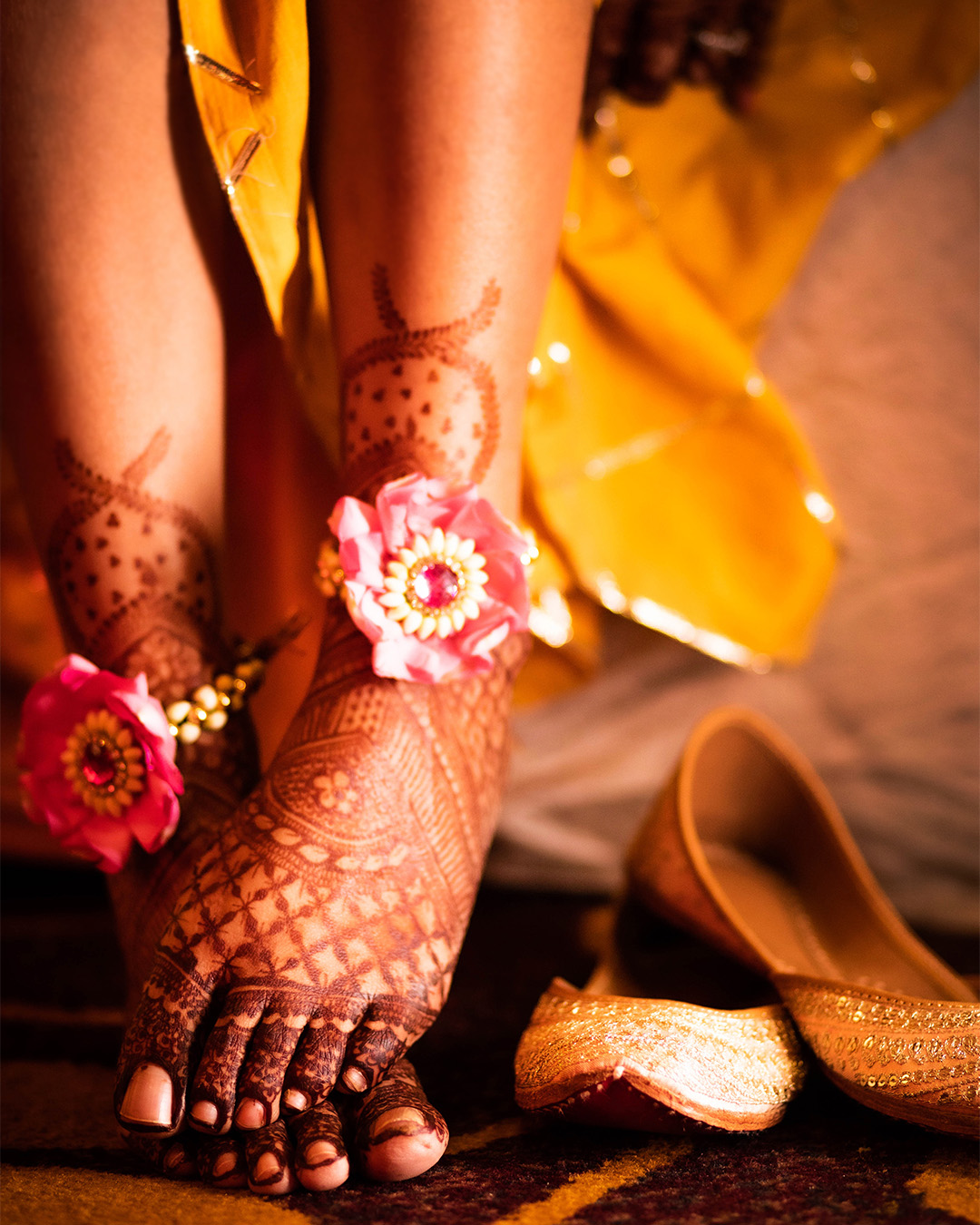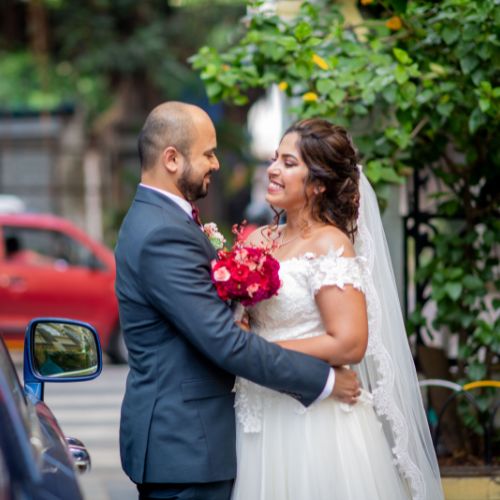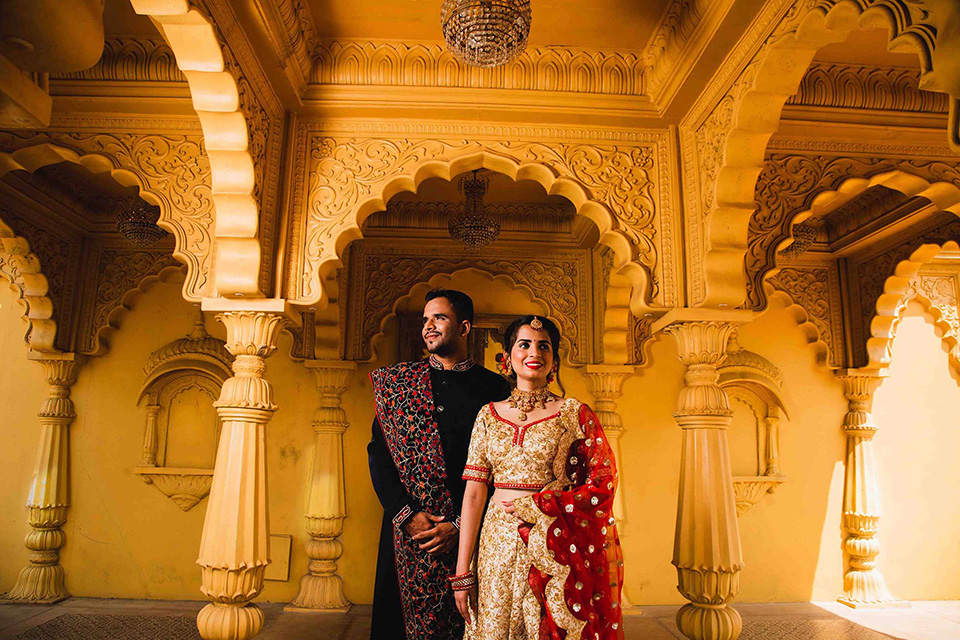
Creating a shared vision is one of the most critical aspects of wedding photography. It involves aligning the wedding photography artistic approach with the couple’s expectations to produce images that resonate emotionally and aesthetically. A well-crafted shared vision ensures that every shot reflects the couple’s personality, preferences, and the unique essence of their special day. This article explores the importance of creating a shared vision, the steps involved in the process, and its impact on the overall success of wedding photography.
The Importance of a Shared Vision wedding photography
- Personalization: Each couple is unique, and their wedding photography should reflect their individuality. A shared vision helps tailor the wedding photography to the couple’s style, values, and story.
- Consistency and Cohesion: By aligning on a vision, the wedding photography can maintain consistency in tone, style, and composition across all images, ensuring a cohesive final collection.
- Client Satisfaction: When couples see their expectations reflected in the final images, they are more likely to be satisfied and cherish the wedding photography for years to come.
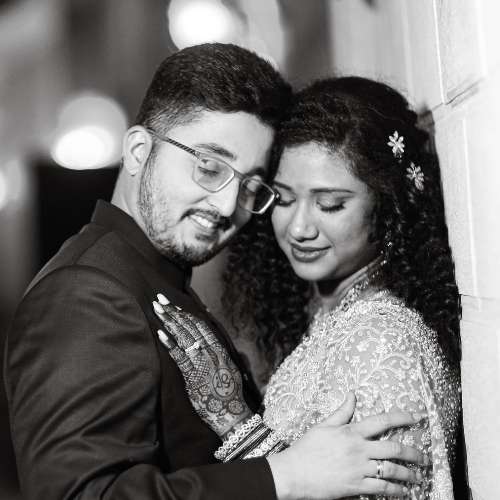
Initial Consultations wedding photography
- Understanding the Couple: The first step in creating a shared vision is to get to know the couple. Key questions to ask include:
- How did they meet and fall in love?
- What are their favorite shared activities or interests?
- What emotions or moments do they want to highlight in their wedding photos?
- Discussing Aesthetic Preferences: Some couples prefer a classic and timeless style, while others lean towards modern, candid, or artistic wedding photography. Reviewing portfolios or reference images helps identify their preferences.
- Cultural and Religious Traditions: Understanding the cultural or religious significance of certain rituals ensures that these moments are captured with respect and artistry.
Collaborative Planning wedding photography
- Mood Boards and Visual References: Creating a mood board with the couple helps visualize the desired aesthetic. This can include:
- Inspirational images from magazines, social media, or art.
- Color palettes, themes, and styles they resonate with.
- Examples of poses, compositions, or lighting they admire.
- Shot Lists: While spontaneity is crucial in wedding photography, a shot list ensures that no essential moments are overlooked. Common inclusions are:
- Bride and groom preparations.
- First look and emotional reactions.
- Key ceremony highlights.
- Family and group portraits.
- Candid moments during the reception.
- Venue and Decor Insights: Collaborating with the couple to understand their choices of venue and decor helps the photographer plan shots that complement the overall wedding theme.
Establishing Communication wedding photography
- Clear Expectations: Transparency about deliverables, timelines, and potential challenges ensures mutual understanding and trust.
- Feedback Loops: Encouraging feedback at various stages—from planning to post-production—ensures that the couple feels involved and heard.
- Regular Updates: Keeping the couple informed about progress, such as finalized shot lists or post-wedding editing updates, fosters confidence in the process.
Tailoring the Vision to the Couple’s Story wedding photography
- Highlighting Unique Elements: Every couple has unique aspects that make their story special. These could include:
- Personal touches in the wedding, such as handwritten vows or heirloom accessories.
- Significant locations or traditions with sentimental value.
- Interactions that showcase their dynamic as a couple.
- Incorporating Personal Preferences: Whether it’s a love for nature, a passion for travel, or a shared hobby, weaving these elements into the photography adds authenticity and meaning.
- Balancing Styles: Some couples may have differing preferences. For instance, one may prefer posed portraits while the other leans toward candid moments. A skilled photographer balances these preferences to satisfy both.
Technical and Artistic Alignment wedding photography
- Lighting and Composition: Discussing the use of natural light versus artificial light, dramatic shadows versus soft tones, and preferred compositions ensures that the technical execution aligns with the vision.
- Color Grading and Editing: Agreeing on post-production styles—such as warm, earthy tones or vibrant, high-contrast edits—helps create a unified look for the final images.
- Signature Shots: Planning iconic or signature shots that capture the essence of the wedding photography creates standout images that anchor the collection.
Adapting the Vision on the Wedding Day wedding photography
- Flexibility and Adaptability: While a shared vision provides a framework, the wedding photography must remain adaptable to capture unplanned moments of beauty and emotion.
- Real-Time Communication: Staying in touch with the couple or their planner throughout the day ensures that any last-minute changes are seamlessly incorporated.
- Seizing Spontaneous Opportunities: Some of the most memorable wedding photography arise from unplanned moments—a stolen glance, a burst of laughter, or a heartfelt embrace. Being prepared to capture these enhances the collection.
The Role of Trust wedding photography
- Establishing a Connection: A strong rapport between the couple and the wedding photography fosters trust, allowing the couple to relax and be themselves in front of the camera.
- Encouraging Authenticity: When couples feel comfortable, their genuine emotions and interactions shine through, resulting in more compelling wedding photography.
- Empowering Collaboration: Encouraging the couple to share their ideas and participate in the creative process strengthens the shared vision and enhances the final results.
Post-Wedding Reflection and Delivery wedding photography
- Reviewing the Vision: Revisiting the shared vision during the editing process ensures that the final images align with the initial plan.
- Presenting the Collection: Delivering the wedding photography in a format that reflects the agreed-upon aesthetic—whether through a digital gallery, printed album, or slideshow—enhances the overall experience.
- Gathering Feedback: Post-delivery feedback helps the wedding photography understand what resonated with the couple, providing insights for future projects.
The Impact of a Shared Vision wedding photography
- Elevating the Photography: A shared vision transforms wedding photography from documentation to art, creating images that tell a compelling and cohesive story.
- Strengthening Relationships: Collaborative planning fosters a sense of partnership and mutual respect between the couple and the wedding photography.
- Enhancing Memories: When the wedding photography reflect the couple’s unique personality and preferences, they become cherished memories that stand the test of time.
Step 1: Master the Craft wedding photography
1.1 Develop Technical Skills wedding photography
Before marketing your services, ensure your wedding photography skills are refined. Key areas to focus on include:
- Camera Mastery: Understand manual settings like ISO, aperture, and shutter speed wedding photography.
- Lighting Techniques: Practice using natural light, flash, and reflectors wedding photography.
- Composition: Learn rules of framing, symmetry, and storytelling through visuals.
- Post-Processing: Master photo editing software such as Adobe Lightroom and Photoshop.
1.2 Build a Portfolio wedding photography
A strong portfolio is your most effective marketing tool. To build one:
- Offer free or discounted shoots for friends or family.
- Collaborate with wedding photography planners or stylists to create styled shoots.
- Showcase a variety of styles, including candid moments, posed portraits, and detail shots.
Step 2: Define Your Brand wedding photography
2.1 Establish Your Unique Style wedding photography
Identify what sets you apart. Whether it’s your artistic approach, editing style, or ability to capture emotions, make this a hallmark of your brand.
2.2 Create a Professional Identity wedding photography
- Logo and Name: Develop a wedding photography memorable business name and logo.
- Website: Build a clean, visually appealing website that includes your portfolio, about section, and wedding photography contact information.
- Social Media Presence: Use platforms like Instagram and Pinterest to share your work and engage with potential clients.
Step 3: Build a Reputation wedding photography
3.1 Provide Exceptional Client Experiences wedding photography
Word-of-mouth recommendations are invaluable in the wedding photography industry. To foster them:
- Communicate clearly and promptly with clients.
- Go above and beyond during shoots to make clients feel special.
- Deliver high-quality images on time.
3.2 Network Within the Industry wedding photography
- Collaborate with Vendors: Build relationships with wedding photography planners, florists, venues, and makeup artists.
- Attend Wedding Shows: Showcase your work at bridal expos to connect with potential clients and industry peers.
- Join Professional Associations: Membership in groups like the wedding photography & Portrait Photographers International (WPPI) can enhance credibility.
3.3 Collect and Showcase Reviews wedding photography
Ask satisfied clients to leave testimonials on platforms like Google, Yelp, or your website. Positive reviews can significantly influence potential clients.
Step 4: Market Effectively wedding photography
4.1 Use Digital Marketing wedding photography
- SEO: Optimize your website to rank for local wedding photography keywords.
- Social Media Ads: Run targeted ads on Instagram and Facebook.
- Blogging: Write articles about wedding photography tips or showcase recent shoots to attract organic traffic.
4.2 Partner with Wedding Platforms wedding photography
Partnering with wedding platforms is a powerful strategy to expand your reach and establish credibility in the industry. These platforms serve as a bridge between wedding photography and couples planning their weddings, providing access to a vast audience actively searching for services. Here’s how to effectively leverage wedding platforms to grow your business:
4.2.1 Understand the Benefits of Wedding Platforms wedding photography
- Increased Visibility: Platforms like The Knot, WeddingWire, and Zola are popular among engaged couples and can significantly boost your exposure.
- Targeted Audience: These platforms attract users specifically looking for wedding-related services, ensuring your marketing efforts reach a relevant audience.
- Credibility: Being listed on reputable wedding photography platforms enhances your professional image and builds trust with potential clients.
- Lead Generation: Many platforms offer tools to help you track inquiries, respond to leads, and manage bookings.
4.2.2 Choose the Right Platforms wedding photography
Research and select platforms that align with your target market and business goals. Consider factors such as:
- Regional Popularity: Some platforms may have a stronger presence in certain geographic areas.
- Cost: Evaluate the subscription fees or commission structures.
- Features: Look for platforms that offer analytics, marketing tools, and customizable profiles.
4.2.3 Create a Compelling Profile wedding photography
Your profile is the first impression couples will have of your business. To make it stand out:
- Showcase Your Best Work: Include high-quality images that highlight your style and expertise.
- Write a Captivating Bio: Share your story, approach to wedding photography, and what makes your services unique.
- Client Reviews: Feature testimonials from satisfied clients to build trust.
- Pricing Information: Provide transparent pricing or package details to help couples make informed decisions.
4.2.4 Engage Actively wedding photography
Maximize the benefits of wedding platforms by staying active:
- Respond Quickly: Promptly reply to inquiries to show professionalism and enthusiasm.
- Update Regularly: Keep your profile fresh by adding new photos, reviews, and content.
- Participate in Forums: Engage with users in discussion boards or forums to showcase your expertise.
4.2.5 Leverage Advertising Opportunities wedding photography
Many platforms offer paid advertising options to increase your visibility. Consider investing in features like:
- Featured Listings: Appear at the top of search results.
- Sponsored Content: Promote your services through platform blogs or newsletters.
- Exclusive Deals: Offer discounts or packages to attract more bookings.
4.2.6 Track and Analyze Performance wedding photography
Use the analytics tools provided by wedding platforms to measure your success. Monitor metrics like:
- Profile Views: Track how often your profile is viewed.
- Inquiry Rates: Measure the number of inquiries you receive.
- Conversion Rates: Assess how many inquiries turn into bookings.
4.2.7 Build Relationships Through Platforms wedding photography
Wedding platforms often host events or webinars for vendors. Participate in these opportunities to network with industry professionals, learn best practices, and gain insights into market trends.
4.2.8 Diversify Your Presence wedding photography
While focusing on major platforms, don’t overlook niche platforms that cater to specific demographics or regions. These can be valuable for targeting unique client segments.
Step 5: Financial Planning and Growth wedding photography
5.1 Price Your Services Strategically wedding photography
Start with competitive pricing to build your client base, then gradually increase rates as your reputation grows.
5.2 Diversify Revenue Streams wedding photography
- Offer prints, albums, and other products.
- Provide engagement or anniversary shoots.
- Conduct photography workshops for aspiring photographers.
5.3 Invest in Your Business wedding photography
Reinvest a portion of your profits into better equipment, marketing, and education to continuously improve.
Step 6: Expand and Evolve wedding photography
6.1 Hire and Train Assistants wedding photography
As demand grows, consider hiring second shooters or assistants to manage larger events. Training your team ensures consistency in the quality of work and helps you cover more extensive or simultaneous events. Assistants can also take on administrative tasks, allowing you to focus on creativity and client interactions.
6.2 Stay Current wedding photography
Trends in wedding photography evolve. Stay ahead by:
- Learning New Techniques: Experiment with different photography styles, such as drone wedding photography or cinematic videography.
- Attending Workshops and Conferences: Engage with industry experts and peers to expand your skills and stay updated on the latest tools and technologies.
- Following Industry Blogs and Social Media: Regularly check platforms like Instagram, Pinterest, and wedding magazines to understand current trends.
6.3 Scale Your Business wedding photography
Scaling your wedding photography business can open up new opportunities and revenue streams. Here’s how:
- Destination Weddings: Expand your services to include destination weddings. This requires additional planning and marketing but can attract a high-end clientele.
- Form a Team: Build a team of skilled photographers under your brand. This allows you to book multiple events on the same day, increasing your income potential.
- Create a Studio: Consider opening a photography studio to offer additional services such as pre-wedding shoots, family portraits, or boudoir photography.
6.4 Develop Partnerships wedding photography
Collaborate with venues, planners, and other vendors to offer bundled services. Being part of a preferred vendor list can increase your bookings and establish your credibility in the industry.
6.5 Focus on Client Relationships wedding photography
Long-term success depends on strong client relationships. Maintain communication with past clients, and offer anniversary shoots or family sessions. Happy clients are more likely to refer you to their network.
6.6 Adapt to Technological Changes wedding photography
Invest in cutting-edge equipment and software to enhance your services. Explore tools like AI-powered editing software, cloud storage for easy image delivery, and advanced cameras for superior image quality. Technology can streamline your workflow and provide a better client experience.
6.7 Build Passive Income Streams wedding photography
- Online Courses: Teach aspiring photographers through online classes or tutorials.
- Sell Stock Photos: Use images from weddings to create a portfolio of stock photography.
- Write a Book or Blog: Share your expertise through a book or blog, establishing yourself as an authority in the field.
6.8 Expand Your Marketing Efforts wedding photography
- YouTube Channel: Start a channel to showcase your work, share behind-the-scenes footage, or provide tips for couples planning their weddings.
- Podcast: Host a podcast about wedding photography or the wedding industry to reach a broader audience.
- Collaborate with Influencers: Partner with wedding influencers to feature your work and attract new clients.
6.9 Stay Resilient and Innovative wedding photography
Adaptability is key to staying relevant in a competitive market. Monitor client feedback, market trends, and industry developments. Be open to experimenting with new ideas to ensure your business continues to thrive.

Conclusion wedding photography
Building a reputation and growing a wedding photography business requires dedication, strategic planning, and a commitment to excellence. By mastering your craft, creating a strong brand, and delivering exceptional client experiences, you can establish a thriving business in this competitive field. Remember, success comes from a combination of passion, wedding photography persistence, and adaptability. By continuously expanding and evolving, your business will be well-positioned to achieve long-term success in the ever-changing wedding industry.
Creating a shared vision in wedding photography is a collaborative and dynamic process that requires empathy, creativity, and clear communication. By investing time in understanding the couple’s story, preferences, and expectations, wedding photography can craft a visual narrative that captures the essence of their special day. This shared vision ensures that the final images are not only beautiful but also deeply meaningful, turning fleeting moments into timeless treasures.