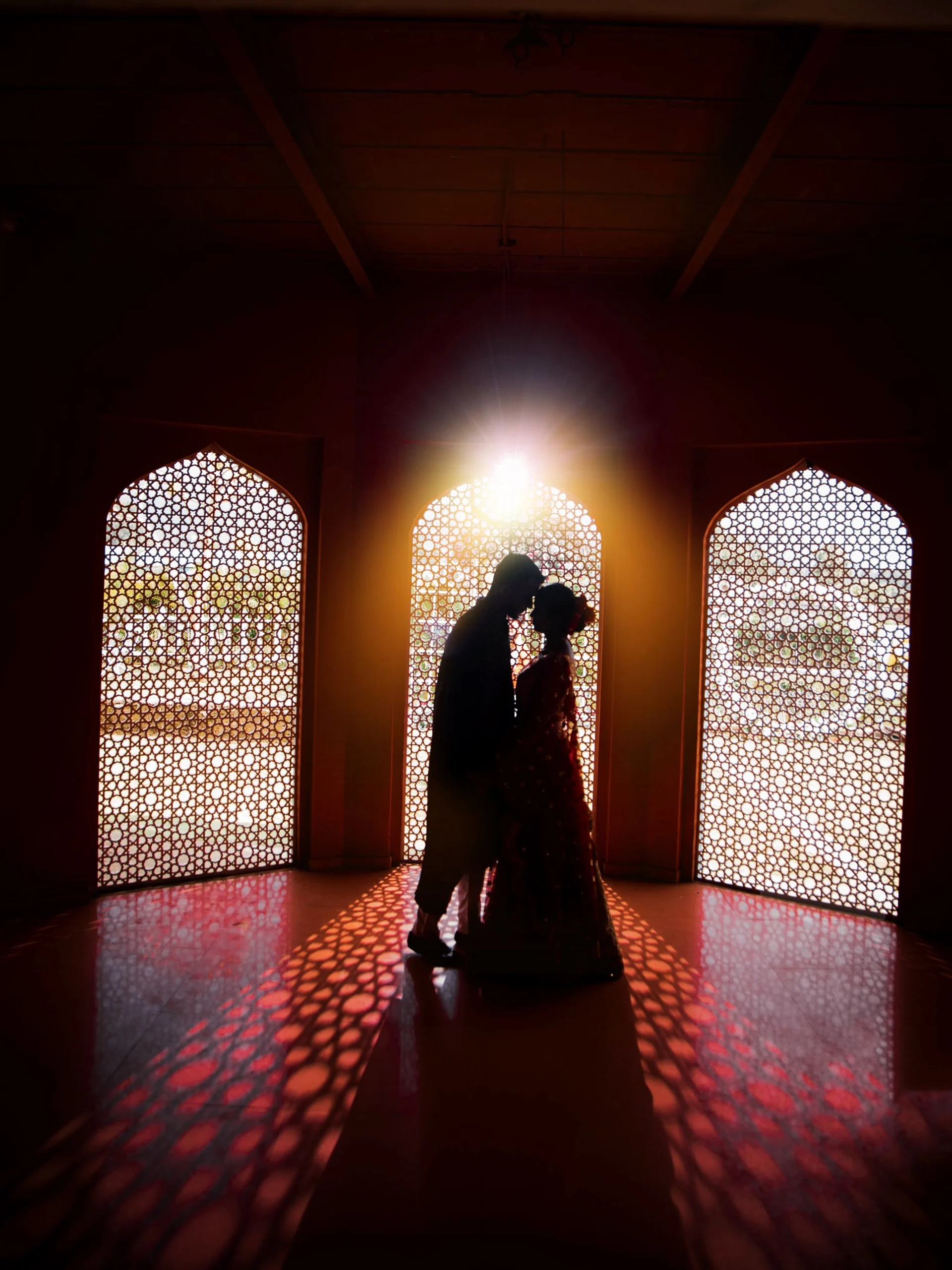
wedding photography is a unique art form that combines technical skills, creative vision, and a deep understanding of the emotional nuances of one of the most important days in a couple’s life. A professional wedding photography expertise is not simply in knowing how to operate a camera; it is about being able to capture the most fleeting moments, the emotions, and the small but meaningful details that make a wedding day special. This article delves into the importance of professional expertise in wedding photography exploring the various elements that contribute to the high level of skill required to deliver stunning, timeless wedding images.
The Role of a Professional Wedding Photographer
A wedding photography is more than just someone who takes pictures; they are responsible for documenting one of the most significant events in a couple’s life. This requires not only technical expertise in photography but also an understanding of the emotional dynamics at play during the wedding day. From the nervous excitement before the ceremony to the joy of the first dance, a wedding photographer’s role is to capture all of these emotions and more.
A professional wedding photography is trained to understand the intricacies of lighting, composition, posing, and timing. They are adept at managing the fast-paced and often unpredictable nature of a wedding day, all while maintaining a calm and reassuring presence. A professional photographer is also skilled in post-production work, using editing software to enhance and refine the photos. Ultimately, their goal is to create a visual narrative of the wedding day that allows the couple to relive the event with all its emotions, beauty, and significance.
Key Aspects of Professional Expertise in Wedding Photography
1. Technical Mastery of wedding photography
A wedding photography technical expertise is foundational to their ability to produce high-quality images. Technical skills include a deep understanding of camera settings, lens choices, and lighting conditions. Every wedding is unique, and each environment requires the photographer to adapt their technical approach to suit the venue and conditions.
Camera Settings and Exposure Control: wedding photography must have a thorough understanding of their equipment, including knowing how to adjust the camera’s settings for different environments. They must be able to control the exposure to ensure that images are neither overexposed (too bright) nor underexposed (too dark), capturing the scene in its full glory. This skill is particularly important in the dynamic conditions of a wedding day, where lighting can change rapidly and unexpectedly.
Choosing the Right Lens: Different types of lenses are required to capture different types of moments. For instance, wide-angle lenses are ideal for capturing large group shots and sweeping venue scenes, while portrait lenses with a shallow depth of field are perfect for intimate shots of the couple. A professional wedding photographer knows which lens to use in any given situation, ensuring that they can capture the moment as effectively as possible.
Lighting Techniques: Lighting is one of the most critical aspects of wedding photography and wedding photographers must be skilled in working with both natural and artificial light. Whether it’s using available sunlight for outdoor photos or setting up off-camera flash for indoor shots, the photographer needs to understand how to manipulate light to enhance the atmosphere of the photo. Good wedding photographers use light creatively to add dimension, mood, and clarity to their images.
2. Understanding of Composition and Framing
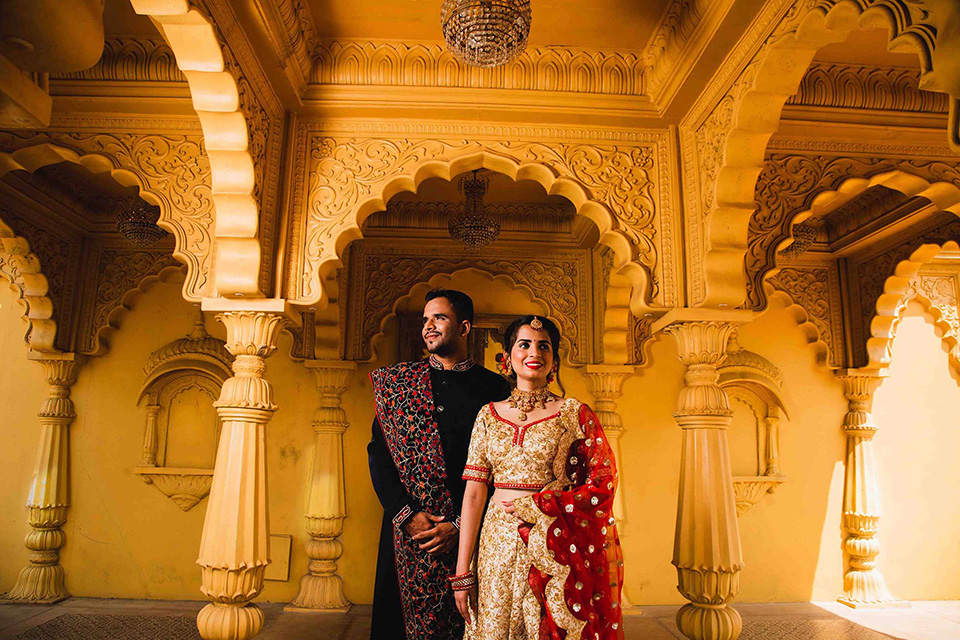
Composition is another key area where professional wedding photography excel. Composition refers to how elements are arranged within the frame to create visually pleasing and balanced images. Great composition ensures that the subject is highlighted effectively, and that the surrounding environment complements the image rather than distracting from it.
Rule of Thirds and Leading Lines: A wedding photography with professional expertise will use principles like the rule of thirds to place the subjects in an engaging position within the frame. They might also use leading lines, such as pathways, architectural features, or the natural lines in the environment, to guide the viewer’s eye to the most important part of the photo.
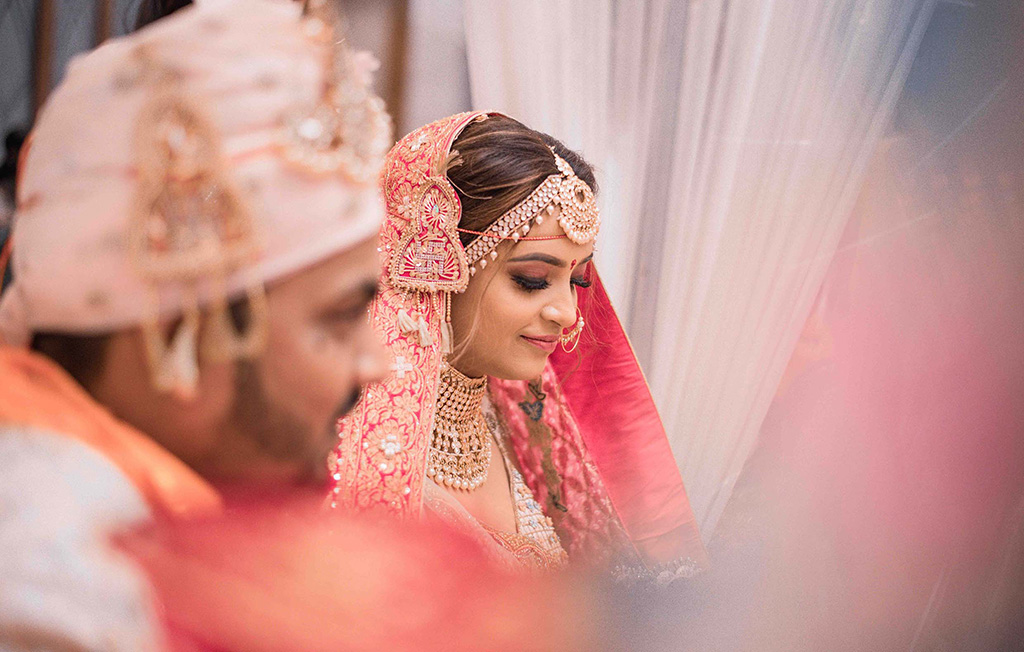
Framing and Perspective: Professional photographers are also masters of perspective. They know how to use framing devices such as doorways, windows, or trees to create visually interesting compositions. By changing their angle or positioning, they can create photos with more depth and dimension, transforming a standard shot into something unique and captivating.
3. Capture of Natural, Candid Moments
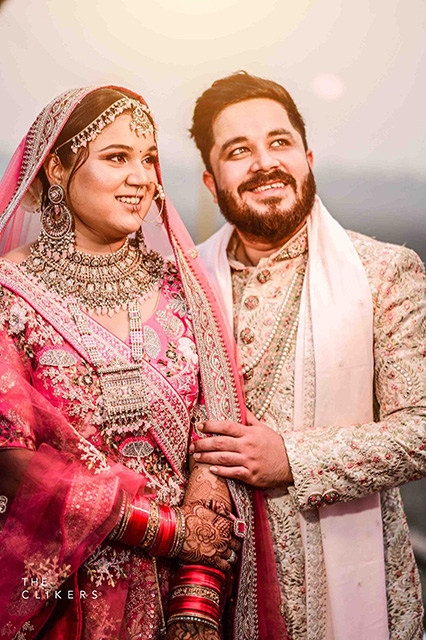
One of the hallmarks of a professional wedding photography is their ability to capture candid moments that truly tell the story of the day. Unlike traditional posed portraits, candid photography allows the photographer to document the emotions, interactions, and spontaneous moments that make each wedding unique.
Anticipation and Timing: A professional wedding photographer wedding photography is skilled in anticipating moments and being in the right place at the right time. For example, during the ceremony, they know when to be discreet and when to step forward to capture an important glance or gesture between the couple. Their ability to time their shots ensures they can capture the fleeting moments of connection, joy, and intimacy that would otherwise go unnoticed.
Emotional Storytelling: wedding photography is about more than just taking pretty pictures; it’s about telling a story. A professional photographer understands how to capture not just the visual details but also the emotions behind the moments. Whether it’s a tearful hug between the bride and her father, the laughter of the bride and groom during their first look, or the joy of the guests dancing at the reception, a skilled photographer captures the essence of the event.
4. Handling Challenging Wedding Day Conditions
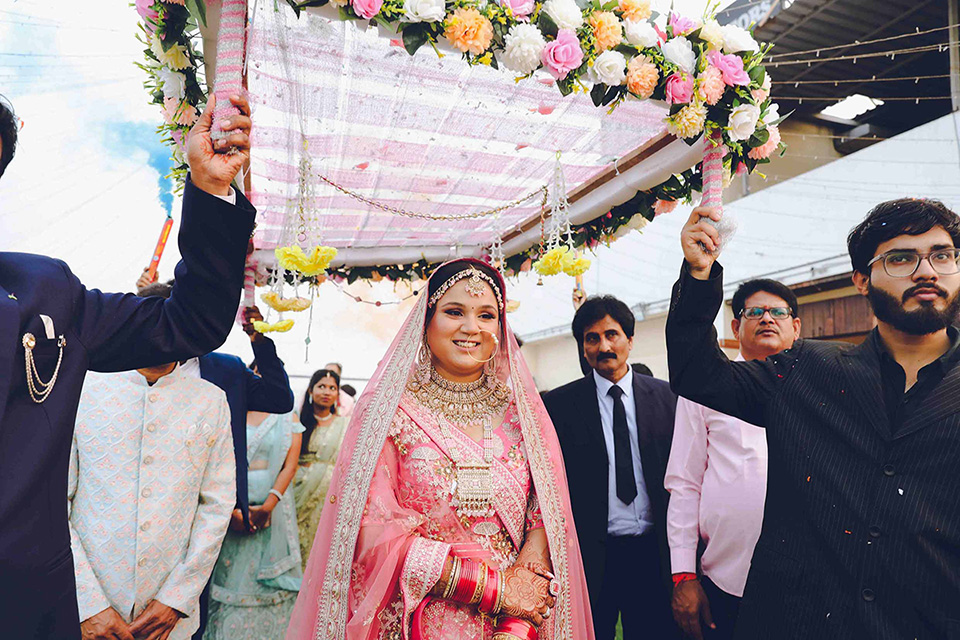
Wedding days are filled with unpredictability. Whether it’s a change in the weather, a late arrival, or a sudden change in the schedule, there are many factors that can affect how a photographer works. Professional wedding photographers are adept at handling these challenges with ease, ensuring they capture beautiful images no matter the circumstances.
Managing Unpredictable Lighting: Many weddings take place in venues with challenging lighting conditions, such as dimly lit churches or outdoor venues with harsh sunlight. Professional photographers know how to adjust their settings to account for these conditions. They also carry the right equipment, such as external flashes, reflectors, and diffusers, to help balance the light and avoid harsh shadows or overexposed highlights.
Working Under Pressure: wedding photography are fast-paced events, and photographers must be prepared to think and act quickly. Whether it’s coordinating large group shots or capturing a key moment like the first kiss, a professional wedding photographer has the experience to stay calm and focused under pressure. They can juggle multiple responsibilities, all while ensuring that they’re capturing every key moment without missing a beat.
5. Post-Production and Editing Expertise
Post-production is a crucial part of professional wedding photography . After the wedding day, photographers spend hours carefully editing and enhancing the images to ensure they meet the highest quality standards. This process is just as important as the photography itself and requires an expert understanding of editing software, color correction, retouching, and more.
Color Grading and Correction: A professional wedding photography has the expertise to color grade photos, adjusting the tones to create a cohesive and aesthetically pleasing collection of images. This involves adjusting brightness, contrast, saturation, and white balance to ensure that the photos look natural while also maintaining a consistent style throughout.
Retouching and Enhancements: While professional photographers strive to capture the best images in-camera, post-production allows them to enhance the photos further. This may involve minor retouching, such as removing blemishes or distracting background elements. It can also include more creative edits, like adding a soft, dreamy effect or adjusting the mood of the image to reflect the atmosphere of the wedding day.
Delivering a Cohesive Wedding Album: After editing the photos, a professional photographer will carefully curate a selection that tells a compelling story of the day. They may present these images in a beautifully designed wedding album, choosing images that flow together to create a narrative. The album becomes a cherished keepsake that encapsulates the couple’s entire wedding day, from start to finish.
6. Experience and Professionalism
Experience is one of the most important aspects of professional expertise in wedding photography. An experienced photographer has a deep understanding of the flow of a wedding day, and they know what to expect and when to expect it. This allows them to plan ahead and ensure they’re prepared for any situation.
Wedding Day Coordination: Experienced wedding photography often work closely with the couple and other vendors to ensure that the day flows smoothly. They know how to manage the schedule to ensure they have enough time to capture key moments, such as the first look, group portraits, and candid shots of the guests. Their professionalism also means they know how to interact with guests, manage large groups, and handle any disruptions that may arise during the day.
Consistency and Reliability: Professional wedding photography have a reputation to uphold. They are committed to delivering high-quality results every time, and they are reliable in meeting deadlines and exceeding expectations. Couples can feel confident knowing that their photographer will not only show up on time but also provide them with a beautifully curated set of images that will be cherished for a lifetime.
Conclusion
Professional expertise in wedding photography is about more than just knowing how to use a camera. It is about understanding the technical aspects of photography, mastering composition, capturing candid and emotional moments, managing challenging conditions, and delivering a polished final product through careful post-production. Wedding photography requires a combination of artistic vision, technical skill, and a deep understanding of the wedding day experience.
A skilled wedding photography brings all of these elements together to create a collection of images that tell a unique and meaningful story. Their expertise ensures that every moment, from the big milestones to the small, quiet interactions, is captured beautifully and professionally. For couples, choosing a professional wedding photography means investing in the quality and artistry that will preserve the memories of their special day for years to come. Whether through expertly crafted portraits, candid shots of emotions, or stunning compositions of the details, professional wedding photography turn fleeting moments into timeless treasures.