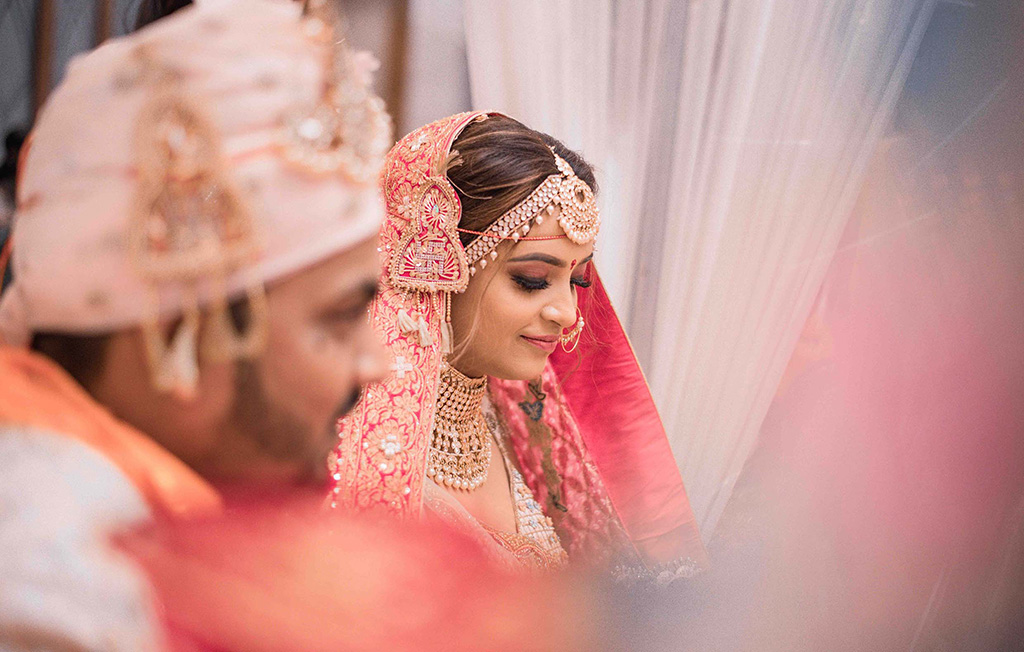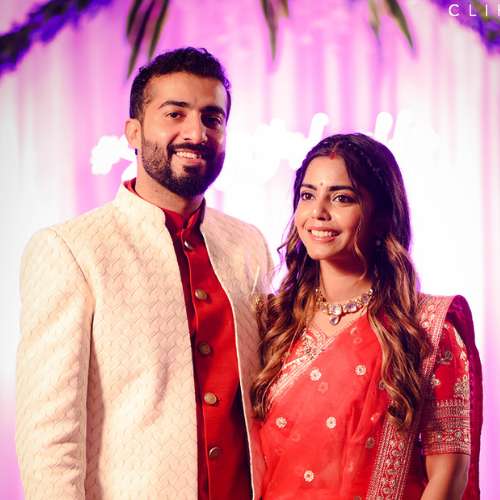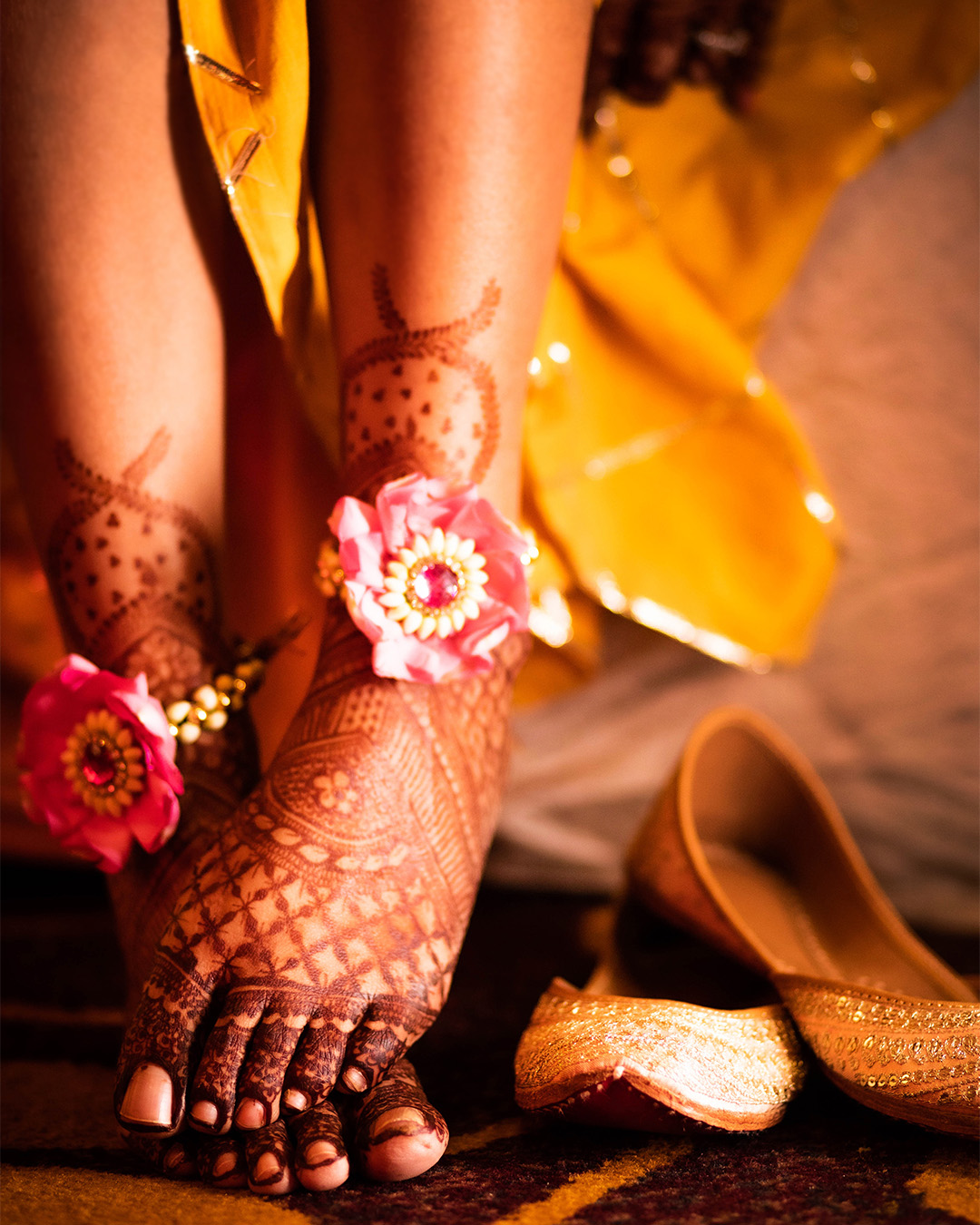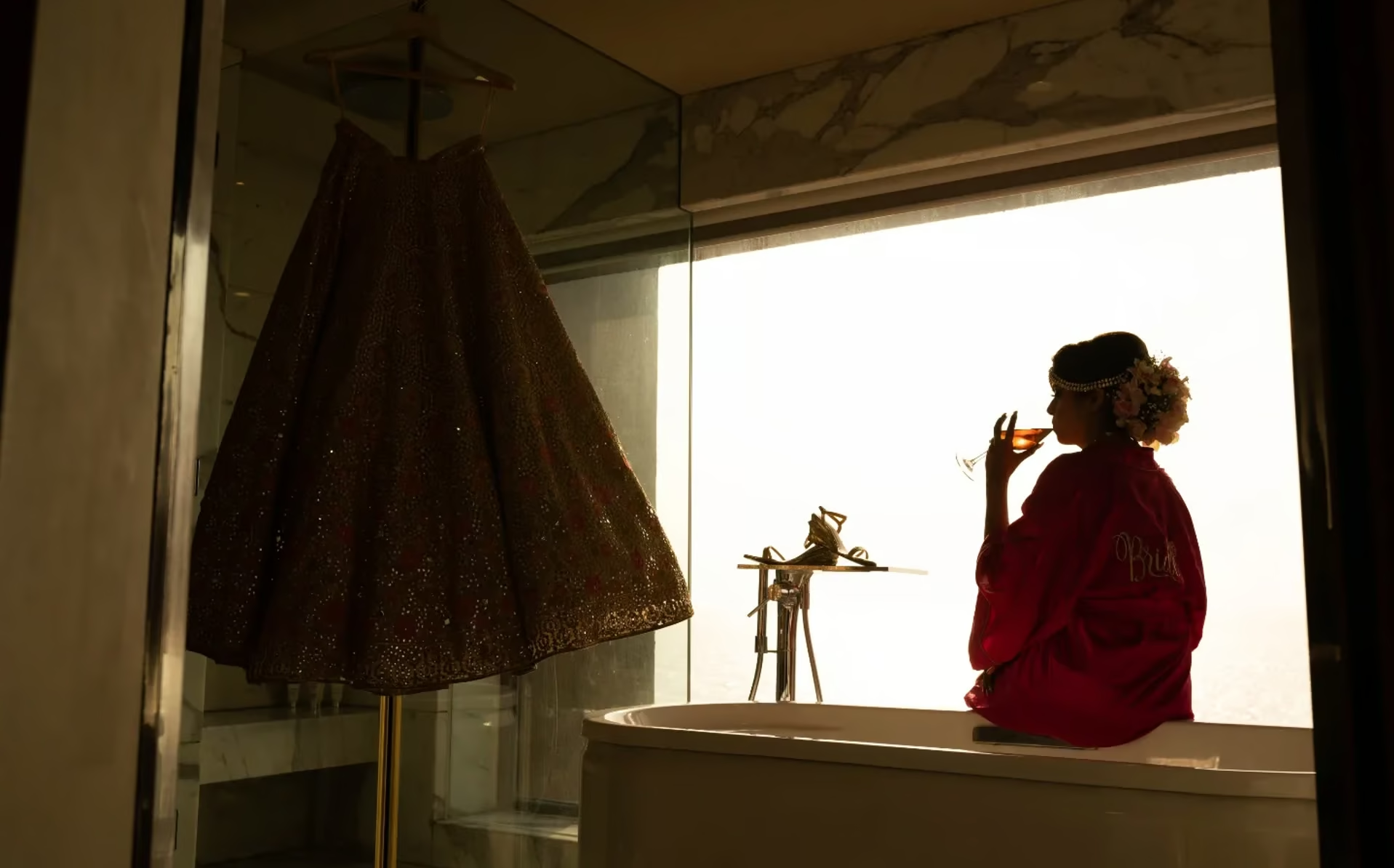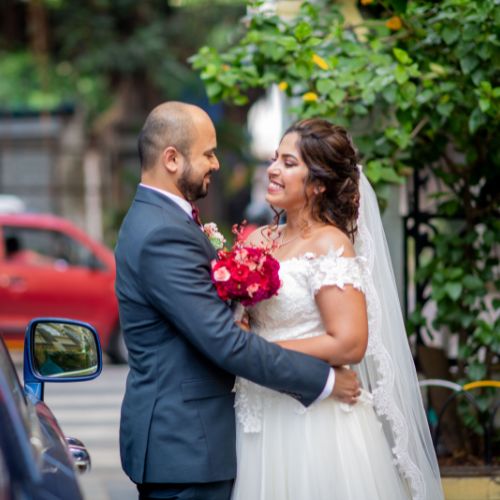
wedding photography is an art that goes beyond technical skills and creativity. It requires something even more elusive—patience and timing. Capturing the perfect shot at the right moment, when emotions are raw and the atmosphere is electric, is what elevates a wedding photographer from being merely good to truly exceptional. Understanding the delicate balance between these two elements—patience and timing—can make all the difference between a missed opportunity and a timeless, unforgettable image.
In this article, we will explore the significance of patience and timing in wedding photography why these attributes are essential for capturing the most authentic moments, and how photographers can develop the skills needed to master these qualities.
I. The Essence of wedding photography: More Than Just Pictures
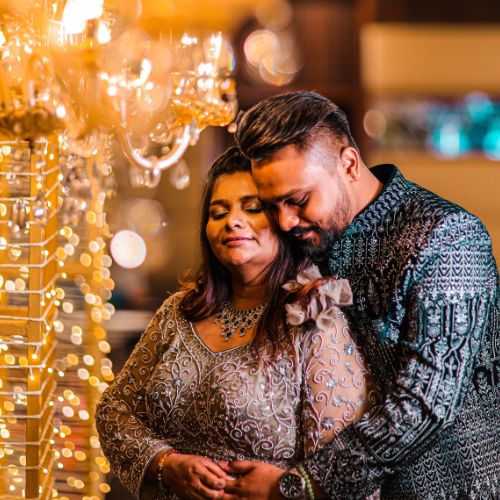
wedding photography is not simply about taking beautiful pictures; it is about telling a story—one that captures the raw emotions, the intimate moments, and the fleeting instances that define one of the most significant days in a couple’s life. These moments are often brief, unplanned, and fleeting, making the photographer’s role vital in preserving them.
For a photographer to truly document a wedding, they must approach the day with patience. Weddings are dynamic, filled with hustle, excitement, and emotion. Things happen quickly, and the pace can be overwhelming, especially with tight schedules and the need to coordinate with other vendors, family members, and guests. Amidst this chaos, the ability to wait for the right moment, the right light, or the right interaction between people is crucial. Timing, on the other hand, is about knowing when to take that shot and when to hold back, allowing the moment to unfold naturally without interference.
II. The Role of Patience in wedding photography
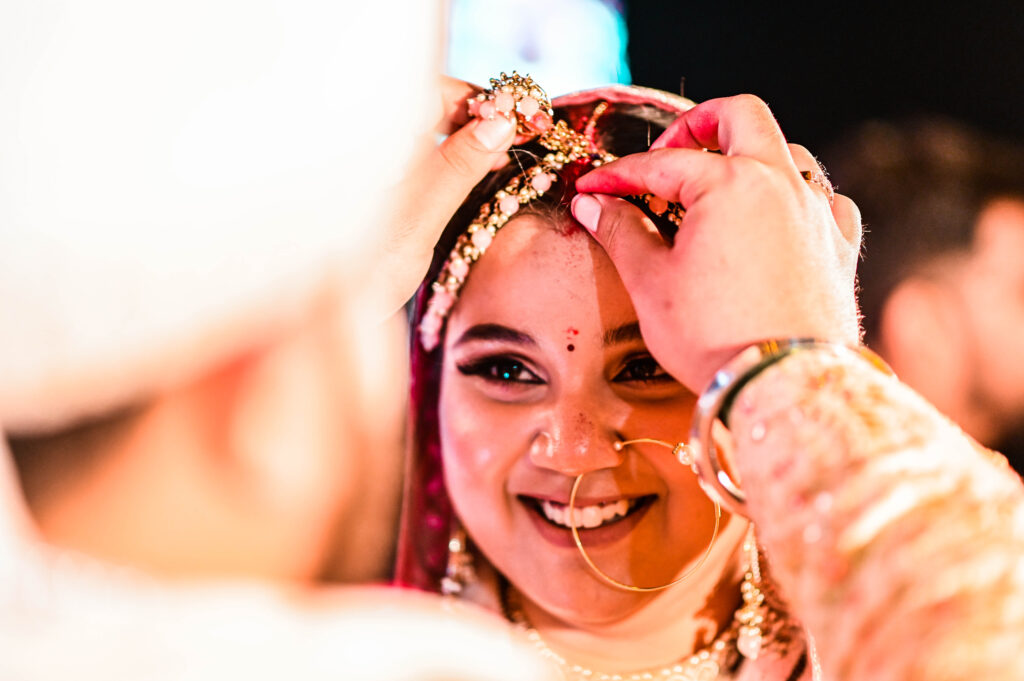
Patience in wedding photography is not just about waiting for the right moment, but about creating space for those moments to emerge naturally. Every couple and every wedding is unique, and each requires a different approach. The photographer’s ability to wait for the right emotions to surface, the right interactions to unfold, and the right light to appear is what separates exceptional photographers from the rest.
1. Waiting for Emotional Moments
The most compelling wedding photos often come from the most emotional moments. These moments don’t always happen on cue or according to a strict timeline. A bride may have a quiet moment with her mother before the ceremony, a groom might share a private laugh with his best man, or a tear might escape a parent’s eye as they watch their child exchange vows. Capturing these raw emotions requires patience, as they often arise in unplanned and unexpected ways. A wedding photographer must be patient enough to wait for these moments to unfold naturally, rather than trying to force them.
2. Allowing the Story to Unfold
wedding photography are dynamic events, filled with moments that come and go in the blink of an eye. A great photographer understands that these moments can’t always be anticipated or rushed. It’s important to let the story unfold at its own pace. From the quiet moments of reflection to the boisterous celebration on the dance floor, each part of the wedding day holds its own significance. Waiting patiently for each moment to unfold allows the photographer to capture the essence of the day without interrupting the natural flow of events.
3. Working with Couples Who Need Time to Feel Comfortable
Many couples are not used to being in front of a camera, and their initial reactions might not always be natural. A photographer’s patience is essential in making the couple feel at ease. Creating a comfortable environment where the couple can relax and enjoy the process allows the photographer to capture candid, emotional moments. By giving the couple space to breathe, the photographer creates an atmosphere in which genuine emotions can be captured.
III. Timing: Knowing When to Capture the Moment
While patience involves waiting for the right moment to arise, timing is about knowing when to take the shot once that moment presents itself. Timing is an essential skill in wedding photography, as it requires an acute awareness of the environment, the people, and the emotions unfolding in front of you.
1. Anticipating Moments
The ability to anticipate a moment is one of the hallmarks of an experienced wedding photography. A photographer who is familiar with the flow of a wedding day—such as when the bride will walk down the aisle, when the best man will give his speech, or when the couple will share their first dance—can prepare themselves to capture these moments without missing a beat. Being in the right place at the right time is crucial for capturing the magic of these key moments.
2. Reading the Couple and Their Guests
Timing also requires the wedding photography to read the couple and their guests. Some people are more expressive and emotional, while others may be more reserved. A photographer must observe these nuances and adjust their approach accordingly. For example, a groom may not display his emotions in an overt manner, but the slightest change in his expression when he sees his bride for the first time could be an incredibly powerful moment. Knowing when to focus on the couple and when to shift attention to the guests requires a deep understanding of the dynamics of the event.
3. Responding to Unpredictable Moments
wedding photography are full of surprises, and while much of the day is planned, some of the best moments are unplanned. A child’s innocent smile, an unexpected glance between the couple, or a tear that escapes the groom’s eye as he says his vows—these unpredictable moments are often the most emotional and beautiful. In these cases, the photographer’s timing is everything. A great photographer knows how to capture these fleeting moments without missing a beat, responding quickly to unpredictable events and ensuring that nothing is missed.
4. The Role of Light in Timing
Lighting plays a critical role in wedding photography, and timing is key to capturing it at its best. Natural light can shift throughout the day, creating different moods and atmospheres. The golden hour, just before sunset, is often the most flattering and romantic time to take portraits, but capturing that perfect shot requires precise timing. Similarly, indoor lighting during the evening reception can create dramatic effects, but it’s up to the photographer to adjust their settings and position themselves in the right place to capture the emotion of the moment.
IV. Patience and Timing During Key Wedding Moments
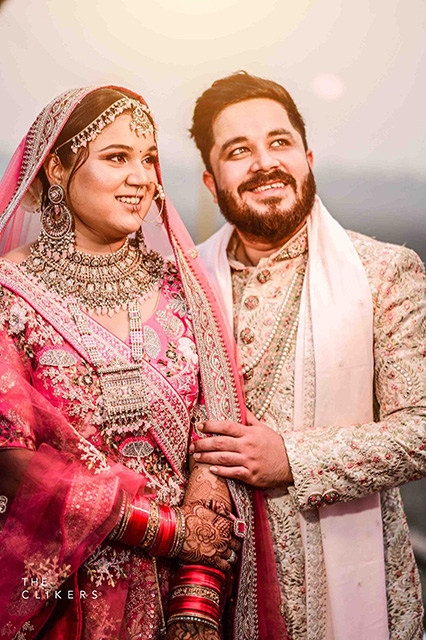
There are certain moments during a wedding where patience and timing are particularly important. These moments are often the heart of the wedding day, and capturing them requires a deep understanding of when to act.
1. The Bride’s Entrance
One of the most emotionally charged moments at any wedding is when the bride walks down the aisle. The anticipation leading up to this moment can feel endless, but capturing the right shot requires patience. The photographer must wait for the perfect moment—when the bride’s face is lit up with excitement or when the groom’s eyes fill with tears of joy. Timing is also critical here: the photographer must be ready to capture the moment when the doors open, as well as when the couple’s eyes meet.
2. The First Kiss
The first kiss is one of the most iconic moments in a wedding ceremony. It’s a symbol of the couple’s union and commitment to one another. Patience is necessary in waiting for this moment, as it often comes at a highly anticipated moment in the ceremony. The photographer must wait for the right timing, knowing when to snap the photo and when to step back and allow the couple to embrace the moment. The kiss itself is often brief, so being ready to capture it at just the right time is crucial.
3. The First Dance
The first dance is another emotionally-charged moment that requires both patience and timing. The photographer needs to wait for the perfect lighting, the right angle, and the ideal moment when the couple’s emotions are raw. The first dance is often a private, intimate moment for the couple, and capturing it requires the photographer to be discreet while still ensuring they are in the right place to capture the emotion of the moment.
4. Speeches and Toasts
During the speeches, emotions can run high, and these moments are rich with opportunity for meaningful photographs. Patience is essential here, as the photographer must wait for the perfect emotional expression from the speakers or the guests. Timing is just as important—photographers need to capture the reaction of the bride and groom to the speech, as well as the reactions of the guests.
V. Developing Patience and Timing as a wedding photography
While patience and timing are natural traits that some wedding photography may have, they can also be developed over time. Here are some tips to help photographers improve their ability to capture the perfect moments.
1. Practice Mindful Observation
wedding photography should practice the art of observation. By taking the time to observe the interactions between the couple, their families, and their guests, photographers can better anticipate when a key moment might arise. Developing this observational skill comes with experience, but it can be honed by spending time observing people in different social settings.
2. Prepare for the Unexpected
While timing is about knowing when to capture a shot, it is also about being prepared for the unexpected. Weddings can be unpredictable, and the best moments often come out of nowhere. A photographer’s ability to adapt quickly to changing circumstances is essential. Staying alert, ready, and adaptable will help ensure that no key moment is missed.
3. Perfecting Your Workflow
To capture moments efficiently, wedding photography need a solid workflow. This includes knowing when to focus on portrait shots, when to take a step back for candid moments, and how to prioritize the most important parts of the day. Having a clear workflow and understanding of the event’s timeline will allow the photographer to maintain both patience and readiness.
Conclusion
In wedding photography, patience and timing are indispensable qualities that make the difference between a good image and a great one. Capturing raw emotions, intimate moments, and fleeting instances requires a photographer to be both patient and observant, waiting for the right moment while also knowing when to act. Mastering these skills comes with experience, practice, and a deep understanding of the human element of weddings. By developing patience and perfecting timing, wedding photography can create timeless photographs that capture the essence of love, emotion, and celebration—moments that couples will cherish for a lifetime.