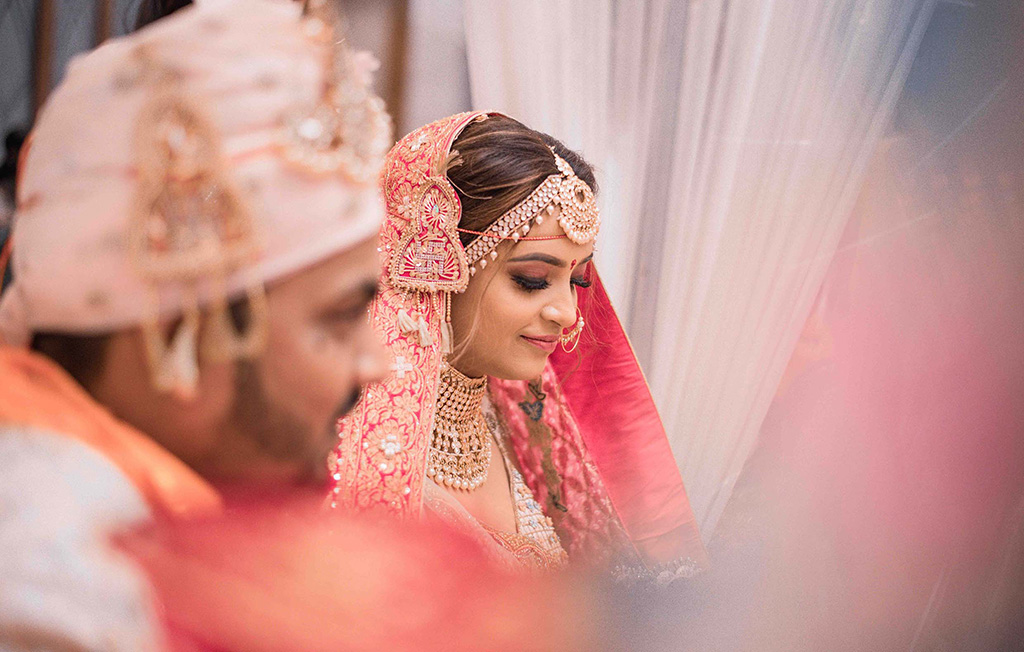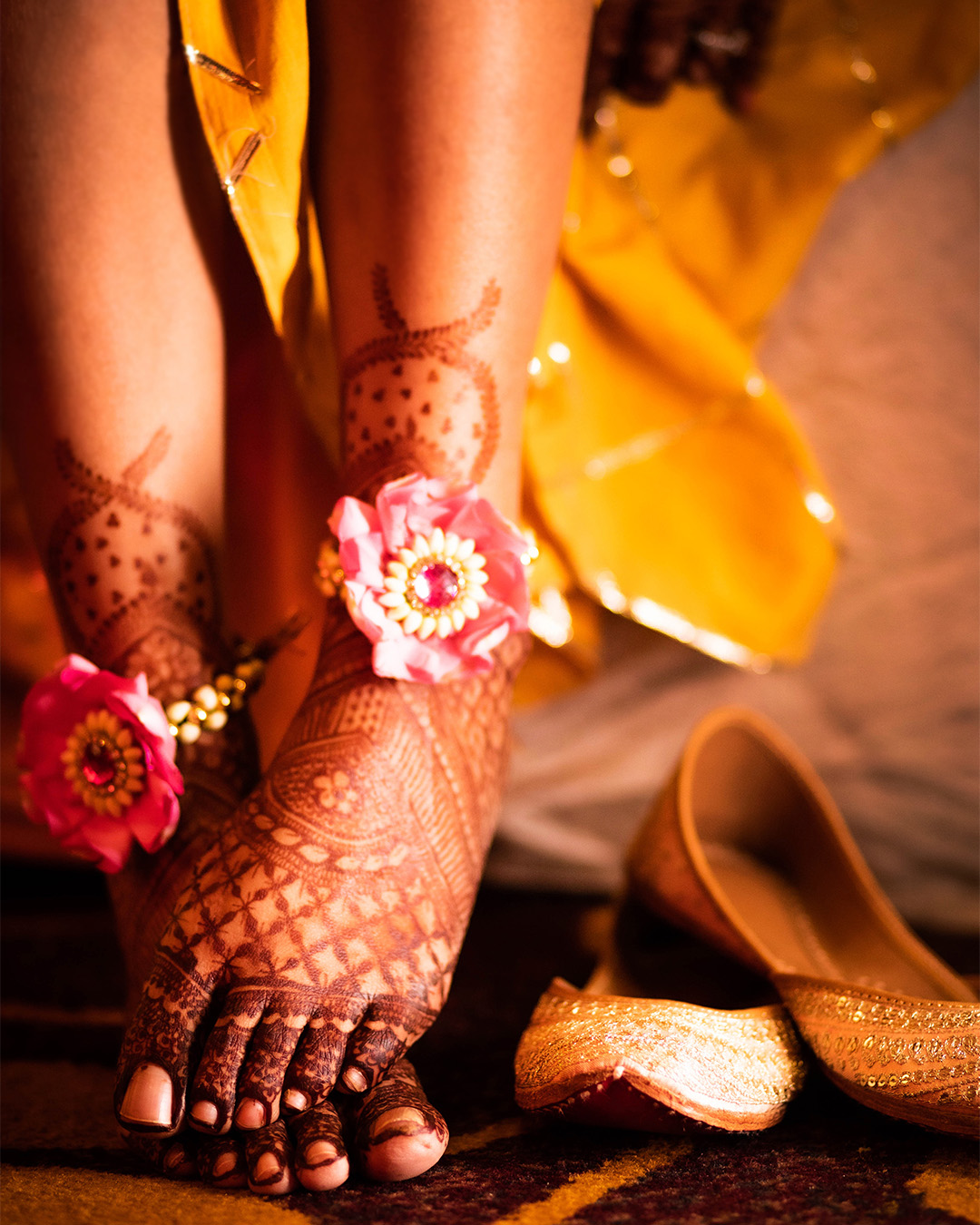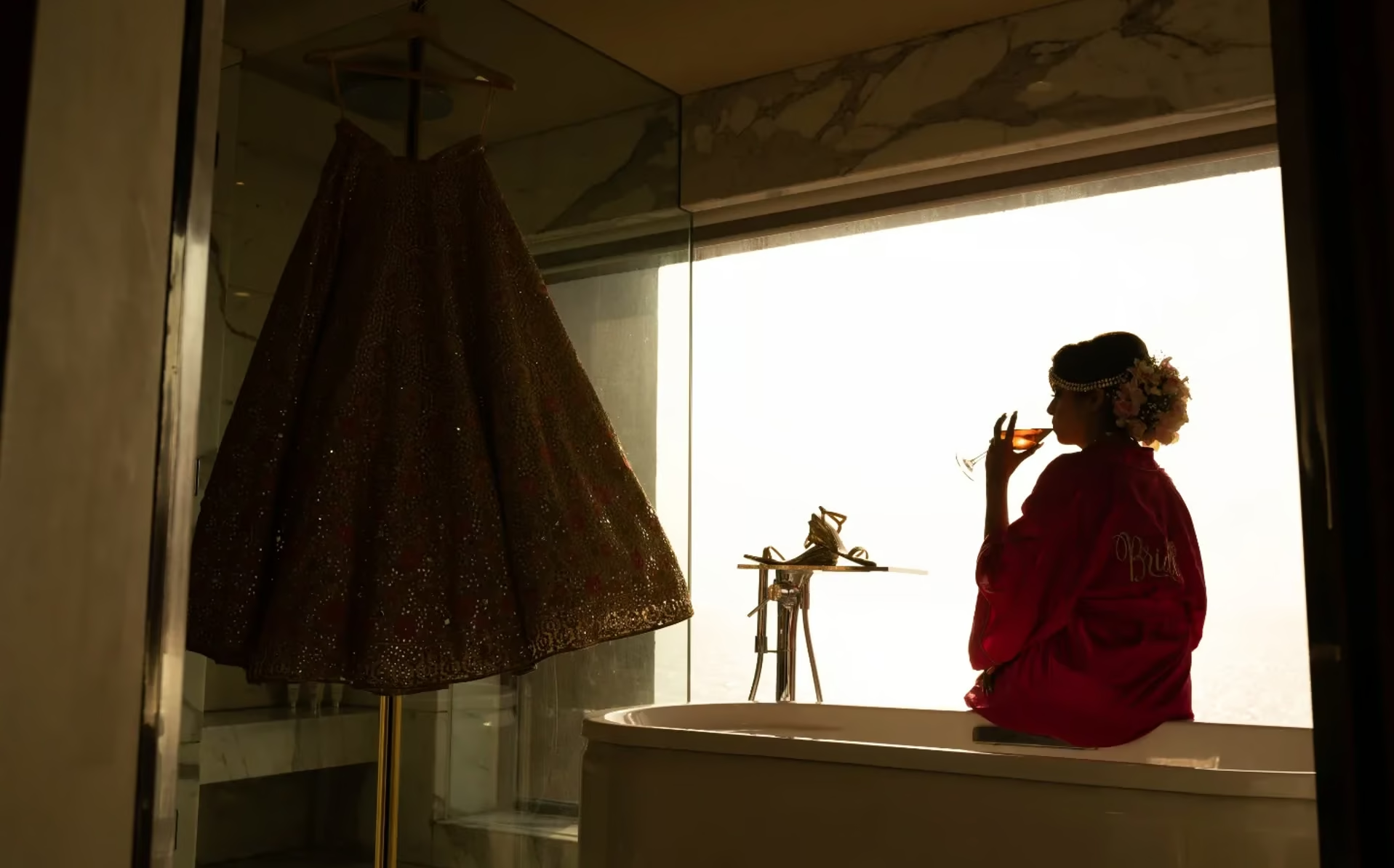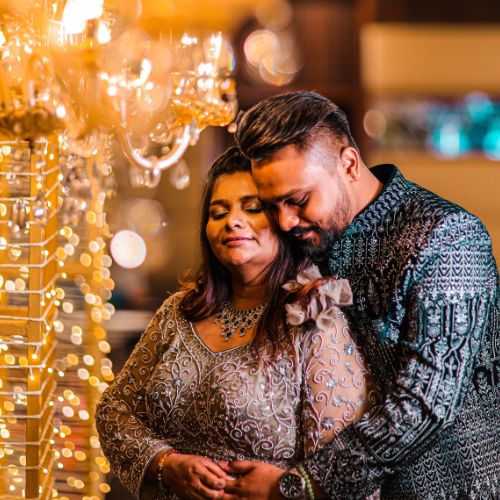
Documentary-style wedding photography also known as photojournalistic wedding photography has gained significant popularity in recent years. This approach emphasizes authentic, candid moments over posed or staged shots, capturing the essence and emotion of the wedding day in an organic and unobtrusive manner. This style appeals to couples seeking a more genuine and story-driven representation of their special day. Below, we explore the rise of documentary-style wedding photography, its defining features, and why it has become a preferred choice for many.
1. Defining Documentary-Style Wedding Photography
Documentary-style wedding photography is rooted in storytelling, focusing on the real moments that unfold naturally throughout the wedding day.
- Unstaged Moments: The photographer acts as an observer, capturing genuine interactions, emotions, and fleeting moments without directing or interfering.
- Narrative Approach: Instead of isolated, posed portraits, the photographer creates a visual narrative that reflects the flow and energy of the day.
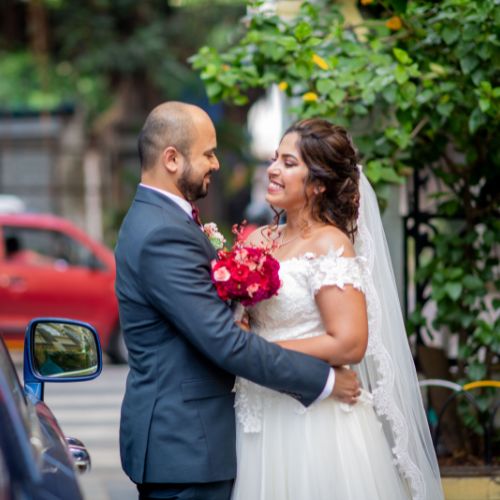
- Raw Emotions: This style highlights unfiltered expressions of joy, laughter, tears, and connection, offering a more intimate portrayal of the wedding.
2. Evolution of Wedding Photography Styles
The rise of documentary-style wedding photography represents a shift in how couples view and value their wedding photos.
- Traditional to Candid: While traditional wedding photography emphasized formal portraits and structured group shots, documentary-style focuses on spontaneity and realism.
- Changing Expectations: Modern couples often prefer photos that feel personal and authentic rather than posed and perfected.
- Cultural Influences: The popularity of storytelling in media, such as movies and social platforms, has influenced how people perceive photography, making narrative-driven styles more desirable.
3. Characteristics of Documentary-Style Wedding Photography
This style stands out due to its unique characteristics, which differentiate it from other wedding photography approaches.
- Authenticity: Documentary photographers capture the day as it unfolds, preserving genuine moments rather than creating artificial scenarios.
- Subtlety: Photographers work discreetly, blending into the background to avoid disrupting the natural flow of events.
- Focus on Details: Small, seemingly insignificant moments—such as a shared glance or a child playing during the ceremony—add depth and richness to the narrative.
- Dynamic Storytelling: The photographer captures not only the main events but also the interactions, emotions, and atmosphere that make the day unique.
4. Why Couples Love Documentary-Style Wedding Photography
Couples increasingly choose this style for several compelling reasons:
- Emotional Impact: The photos evoke deeper emotional resonance by portraying real-life emotions and interactions.
- Timeless Appeal: Candid moments are more enduring than trends in posed or styled photography, giving the images a timeless quality.
- Personal Connection: The resulting images feel more personal and meaningful as they reflect the couple’s true personalities and relationships.
- Stress-Free Experience: Couples and guests feel more at ease without the constant direction or staging from the photographer.
5. Skills Required for Documentary-Style Wedding Photography
Documentary wedding photography demands a distinct set of skills from photographers, ensuring they can capture moments effectively and artistically.
- Keen Observation: Photographers must have an acute ability to anticipate and recognize meaningful moments.
- Technical Expertise: Mastery of lighting, composition, and camera settings allows photographers to adapt to fast-changing conditions.
- Discretion: Being unobtrusive ensures the authenticity of the captured moments, as subjects are less aware of the camera.
- Storytelling Vision: Photographers need a narrative mindset to piece together a cohesive story through their images.
6. Benefits of Documentary-Style Wedding Photography
This approach offers numerous benefits for couples and photographers alike:
- Natural and Unforced Images: The lack of staging results in photos that feel real and emotive.
- Comprehensive Coverage: The photographer captures not just the couple but also their loved ones, the venue, and the atmosphere in a seamless story.
- Artistic Freedom: Photographers can experiment with creative angles and perspectives, producing unique and visually stunning work.
- Relatable Memories: The images reflect the day as it happened, making it easier for couples to relive their wedding through the photos.
7. Challenges in Documentary-Style Wedding Photography
While rewarding, this style presents challenges that wedding photography must navigate.
- Unpredictable Moments: Since the approach relies on spontaneity, photographers must be quick and adaptable to capture fleeting moments.
- Lighting Variability: Different parts of the day and venue may have vastly different lighting conditions, requiring technical expertise.
- Balancing Coverage: Photographers need to ensure all key moments are captured while staying true to the documentary approach.
- Client Expectations: Some clients may still desire traditional posed shots, necessitating a balance between candid and formal photography.
8. The Role of Technology in Its Popularity
Advancements in wedding photography technology have contributed to the rise of documentary-style wedding photography.
- Improved Equipment: High-performance cameras with low-light capabilities and fast autofocus allow photographers to work effectively in dynamic environments.
- Post-Processing Tools: Editing software helps photographers enhance the natural beauty of their images without over-processing.
- Social Media Influence: Platforms like Instagram and Pinterest showcase the appeal of candid, storytelling images, influencing couples’ preferences.
9. How Documentary-Style Reflects Modern Values
This style aligns with the values of modern couples, contributing to its increasing popularity.
- Authenticity Over Perfection: In a world dominated by curated content, couples appreciate the raw honesty of documentary photography.
- Focus on Experience: Rather than spending time posing for photos, couples prioritize enjoying their day while the photographer captures the moments.
- Inclusivity and Diversity: This style celebrates all aspects of the wedding, from quiet moments to lively celebrations, reflecting the uniqueness of each couple.
10. Impact on the Wedding Photography Industry
The rise of documentary-style wedding photography has influenced the broader industry in significant ways.
- Shift in Aesthetics: Photographers now emphasize natural, story-driven images over traditional styles.
- Changing Expectations: Couples increasingly seek photographers who specialize in candid and documentary approaches.
- Growth in Education: Many workshops and courses now focus on documentary-style techniques, reflecting its growing demand.
11. Guest Interference
Guests with smartphones and cameras can unintentionally obstruct photographers or disrupt key moments by stepping into the frame.
- Challenge: Managing guest behavior without offending anyone or causing disruptions.
- Consideration: Suggest an “unplugged” ceremony, where guests refrain from using their devices during key moments.
- Solution: Communicate politely with guests when necessary and position yourself strategically to avoid obstructions.
12. Delivering High-Quality Post-Production
Editing wedding photos is a time-intensive process, and delivering high-quality results while meeting deadlines can be challenging.
- Challenge: Balancing editing workloads with other ongoing projects while maintaining consistent quality.
- Consideration: Set realistic timelines for delivering edited images and communicate them clearly to the couple.
- Solution: Use efficient post-processing workflows, such as presets and batch editing, without compromising on individual image quality.
13. Capturing Every Key Moment
A wedding day is packed with significant moments, and missing even one can be disappointing for the couple.
- Challenge: Being present for all important events while managing multiple responsibilities.
- Consideration: Create a detailed shot list with the couple to prioritize key moments and people.
- Solution: Work with a second photographer to ensure comprehensive coverage of simultaneous events or angles.
14. Maintaining Professionalism Under Stress
Weddings can be stressful, and wedding photography must remain calm, composed, and professional, even in challenging situations.
- Challenge: Handling difficult guests, unexpected delays, or technical issues without letting emotions affect performance.
- Consideration: Stay focused on the task and practice effective communication and problem-solving skills.
- Solution: Develop stress-management techniques and maintain a positive, solutions-oriented mindset throughout the day.
15. Adapting to Modern Trends
Couples often look for contemporary styles and innovative approaches, requiring photographers to stay updated with industry trends.
- Challenge: Keeping up with evolving styles, such as drone wedding photography cinematic edits, or eco-friendly practices.
- Consideration: Invest in continuous learning and adapt your skill set to incorporate popular trends.
- Solution: Attend workshops, follow industry leaders, and experiment with new techniques to stay competitive.
16. Building Relationships with Clients
Strong relationships with clients are essential for creating images that truly reflect their personality and vision.
- Challenge: Establishing trust and understanding within limited interactions before the wedding day.
- Consideration: Schedule pre-wedding consultations, engagement shoots, or casual meetings to build rapport.
- Solution: Listen actively to the couple’s preferences and incorporate their input into your creative process.

17. Post-Production Expert
The work of a wedding photography doesn’t end with the last dance. Post-production is a critical aspect of their role, transforming raw images into polished masterpieces.
- Editing and Retouching: Photographers enhance images by adjusting lighting, color balance, and sharpness, ensuring every photo looks its best.
- Curating the Story: They carefully select and organize the best images, crafting a cohesive narrative for the wedding album.
- Creating Deliverables: From digital galleries to printed albums, photographers ensure couples receive their images in the desired formats.
18. Collaborator with Vendors
Wedding photographers often work closely with other vendors to ensure a seamless experience for the couple.
- Coordinating with Planners: Photographers align with wedding planners to integrate their schedules and avoid conflicts during key moments.
- Working with Videographers: Collaboration with videographers ensures that both professionals can capture their shots without interference.
- Highlighting Vendor Work: Photographers often capture details such as floral arrangements, decor, and cakes, which can be used for vendor portfolios or promotional purposes.
19. Social Media and Marketing Advocate
In the age of social media, photographers also play a role in showcasing weddings and building their own portfolios.
- Social Media Sharing: Many photographers provide sneak peeks of the wedding shortly after the event, creating excitement for couples and guests online.
- Promoting the Couple’s Story: By sharing stunning images, photographers help couples celebrate their love story beyond the wedding day.
- Expanding Professional Reach: Highlighting their work on platforms like Instagram and Pinterest helps photographers attract future clients while showcasing their unique style.
20. Keeper of the Couple’s Legacy
Ultimately, the wedding photography role is about creating a legacy for the couple and their families.
- Timeless Heirlooms: Photographs serve as a tangible reminder of the couple’s love and commitment, passed down through generations.
- Capturing Relationships: Beyond the couple, wedding photos document the bonds between family members, friends, and loved ones.
- Emotional Connection: Revisiting wedding photos years later allows couples to relive the emotions and joy of their special day.
Conclusion
The rise of documentary-style wedding photography reflects a cultural shift toward authenticity, emotion, and storytelling. Couples increasingly value unposed, genuine images that capture the essence of their wedding day, making this style a prominent trend in the industry. For photographers, embracing this approach requires not only technical expertise but also a deep understanding of human emotion and narrative. Ultimately, documentary-style wedding photography offers a timeless, heartfelt way to preserve one of life’s most cherished moments.