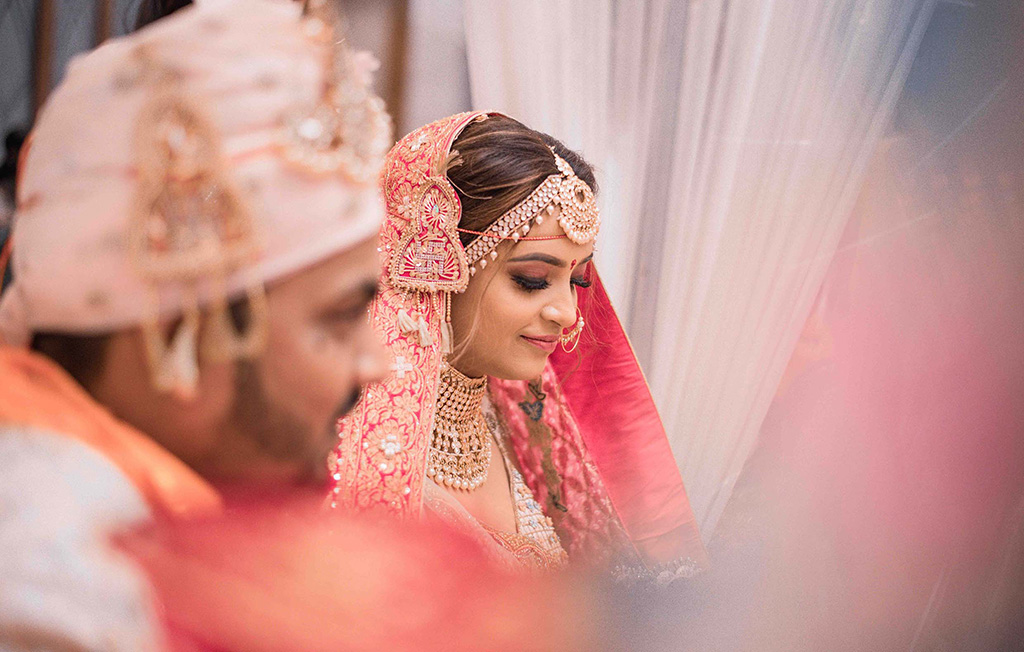
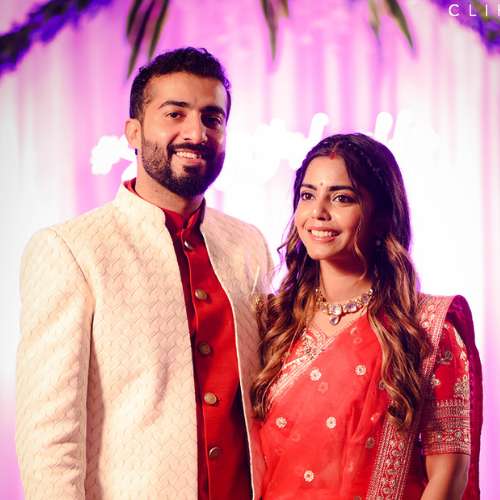
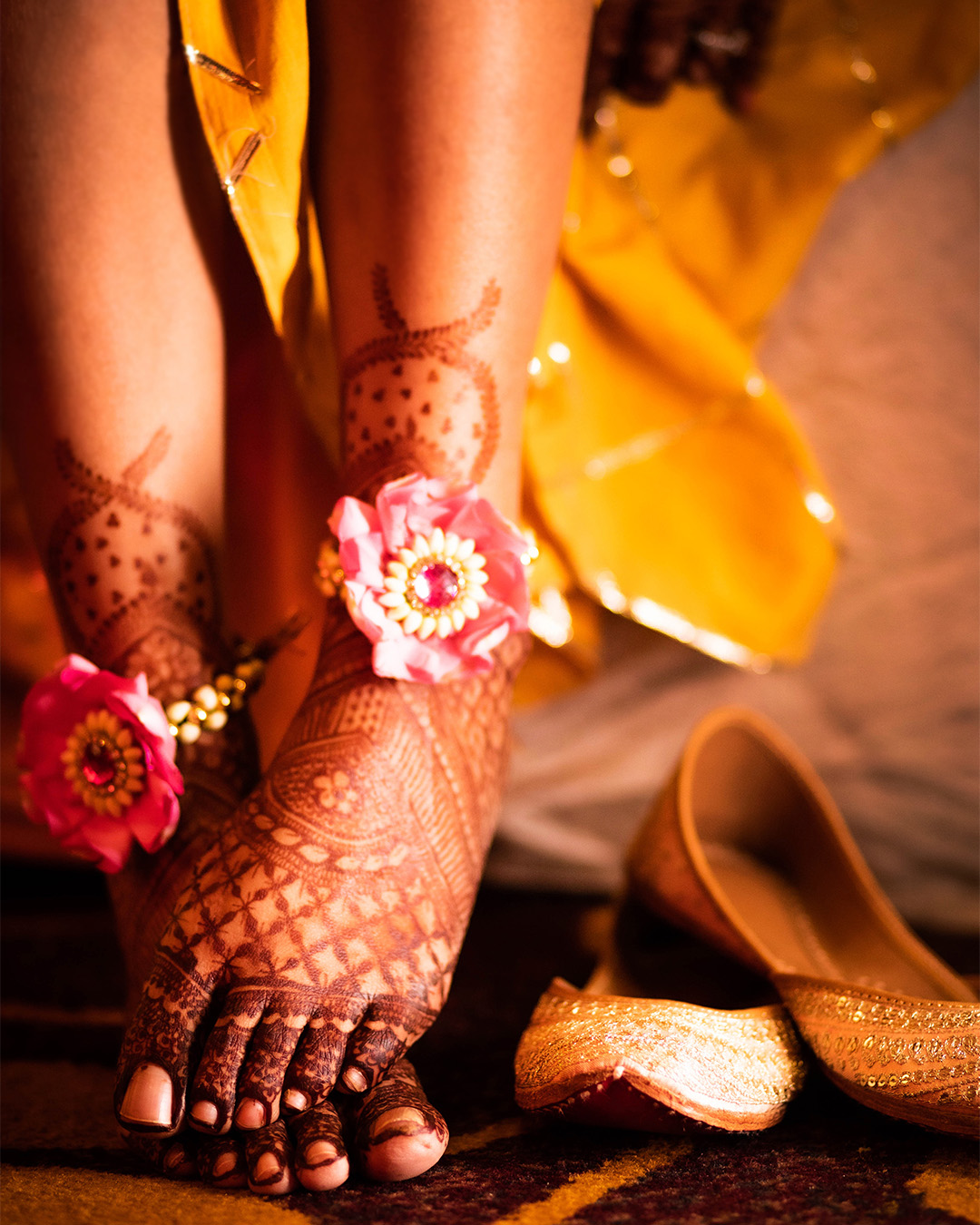
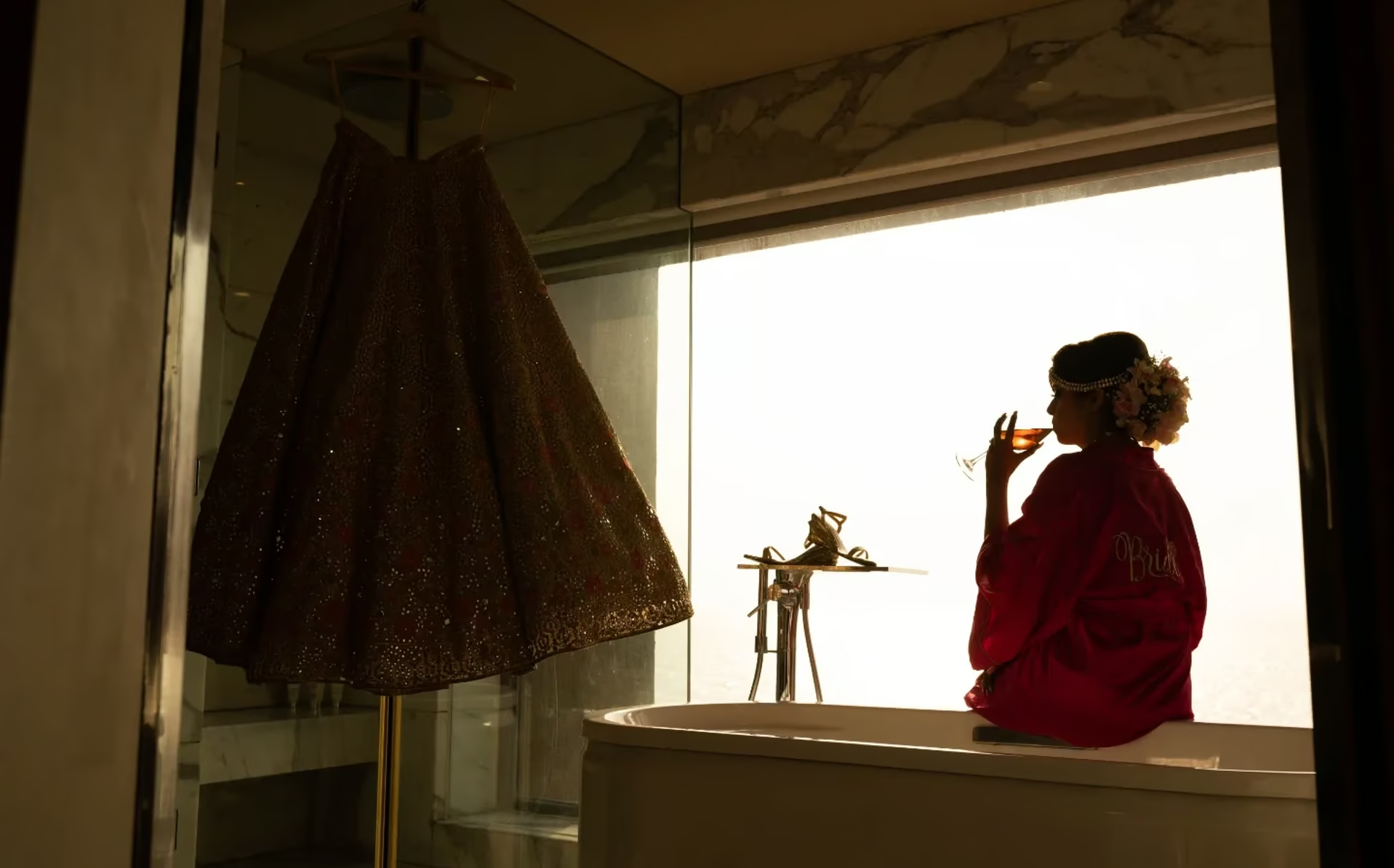
Wedding photography is an art form that has evolved over the decades, offering couples various styles to choose from to reflect their personalities, traditions, and preferences. Each style tells the story of a wedding day differently, with unique approaches to composition, lighting, and storytelling. Below is a detailed exploration of the most prominent styles of wedding photography, providing insights into their characteristics, techniques, and why they are loved by couples worldwide.
1. Traditional Wedding Photography
Overview
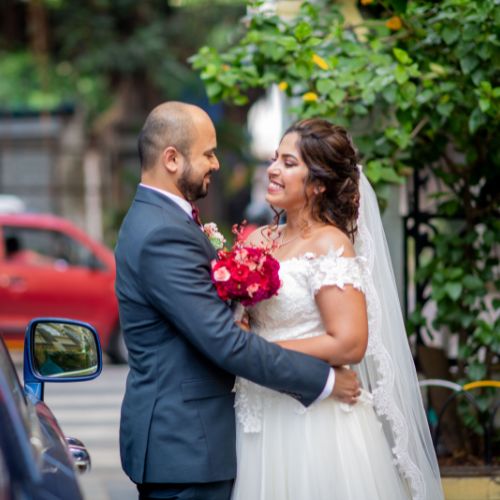
Traditional wedding photography, also known as classic or formal photography, is the oldest and most established style in wedding photography. It focuses on posed and structured images that capture the key moments and people in a wedding.
Key Characteristics
- Posed Shots: This style emphasizes formal, well-posed group photos of the couple, families, and bridal party.
- Ceremony Highlights: Important moments like the exchange of vows, rings, and the first kiss are captured with precision.
- Timeless Appeal: The photographs often have a timeless quality, with a focus on elegance and clarity.
Pros
- Ensures all important people and moments are documented.
- Offers classic, enduring images.
- Suitable for couples who prefer structure and tradition.
Cons
- May feel stiff or overly posed.
- Limited creativity in candid moments.
2. Photojournalistic Wedding Photography
Overview
Inspired by documentary photography, photojournalistic wedding photography captures events as they unfold naturally, without posing or interfering with the flow of the day. This approach tells a candid and authentic story of the wedding.
Key Characteristics
- Spontaneous Moments: The focus is on capturing real emotions, interactions, and reactions.
- Unobtrusive Photographer: The photographer often blends into the background, observing rather than directing.
- Storytelling: The photos collectively create a narrative, showcasing the day’s progression organically.
Pros
- Highly authentic and emotional images.
- Minimal disruption to the wedding day.
- Perfect for couples who value genuine, unposed moments.
Cons
- Less focus on traditional, posed portraits.
- Requires a skilled photographer to anticipate and capture fleeting moments.
3. Fine Art Wedding Photography
Overview
Fine art wedding photography emphasizes creativity and artistic expression. Each image is carefully composed to create visually stunning and emotionally evocative photographs.
Key Characteristics
- Artistic Composition: Attention to detail, symmetry, and unique angles create images that resemble works of art.
- Dreamy Aesthetic: Soft lighting, muted tones, and natural settings are often used to achieve a romantic look.
- Focus on Details: Fine art photographers excel at capturing intricate details, such as the lace of a wedding dress or the sparkle of a ring.
Pros
- Produces highly creative and unique images.
- Appeals to couples who value aesthetics and artistry.
- Often features timeless and luxurious vibes.
Cons
- May require more time for staged shots.
- Can feel less spontaneous compared to candid styles.
4. Editorial Wedding Photography
Overview
Editorial wedding photography is inspired by fashion magazines and editorial spreads. It focuses on creating glamorous and sophisticated images, often with a sense of drama and elegance.
Key Characteristics
- Stylized Poses: Couples and bridal parties are directed to pose in ways that are striking and polished.
- Dramatic Lighting: Lighting techniques are often used to add depth and drama to images.
- Fashion-Forward: The photographs emphasize attire, accessories, and styling.
Pros
- Perfect for couples who love glamour and sophistication.
- Creates polished, high-fashion images.
- Emphasizes the beauty of the couple and their wedding details.
Cons
- Requires a confident photographer to direct poses effectively.
- May not appeal to couples who prefer candid or natural shots.
5. Candid Wedding Photography
Overview
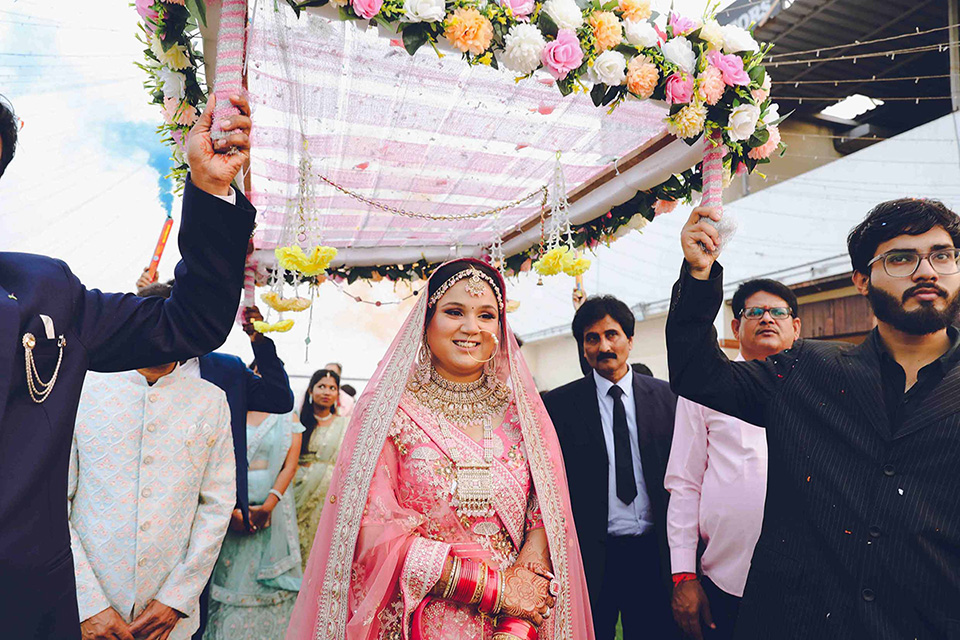
Candid wedding photography captures unplanned and unposed moments, highlighting genuine emotions and interactions. It overlaps with photojournalistic photography but focuses more on personal, emotional, and intimate moments.
Key Characteristics
- Natural Expressions: Focuses on smiles, laughter, tears, and other spontaneous emotions.
- Emphasis on Relationships: Captures connections between the couple, their families, and guests.
- Light and Relaxed Atmosphere: Often results in joyful and heartfelt images.
Pros
- Highly emotional and personal.
- Requires minimal direction, allowing the couple and guests to relax.
- Perfect for couples who want an organic feel to their photos.
Cons
- Lacks the structure of posed shots.
- Relies heavily on the photographer’s ability to anticipate moments.
6. Contemporary Wedding Photography
Overview
Contemporary wedding photography blends elements of traditional and modern styles, incorporating creative ideas and trends to produce vibrant and dynamic images.
Key Characteristics
- Modern Techniques: Incorporates new trends, such as creative angles, vibrant colors, and unique compositions.
- Playful and Fun: Often includes lighthearted and whimsical shots.
- Couple-Centric: Focuses on showcasing the couple’s personalities.
Pros
- Combines classic and innovative approaches.
- Perfect for couples who want a mix of traditional and creative shots.
- Adapts well to various wedding themes and settings.
Cons
- Can be unpredictable if not well-executed.
- Requires a skilled photographer to balance creativity with tradition.
7. Vintage Wedding Photography
Overview
Vintage wedding photography draws inspiration from past eras, creating images with a nostalgic and timeless feel. It often uses props, attire, and editing techniques to enhance the retro aesthetic.
Key Characteristics
- Muted Tones: Sepia filters, grainy textures, and soft focus create an antique look.
- Props and Styling: Incorporates vintage elements like old cameras, typewriters, or antique furniture.
- Classic Poses: Reflects the elegance and charm of bygone eras.
Pros
- Perfect for themed or retro-style weddings.
- Evokes a sense of nostalgia and timelessness.
- Appeals to couples who love classic and romantic aesthetics.
Cons
- Can feel overly stylized if not balanced with modern elements.
- Requires careful planning to ensure consistency.

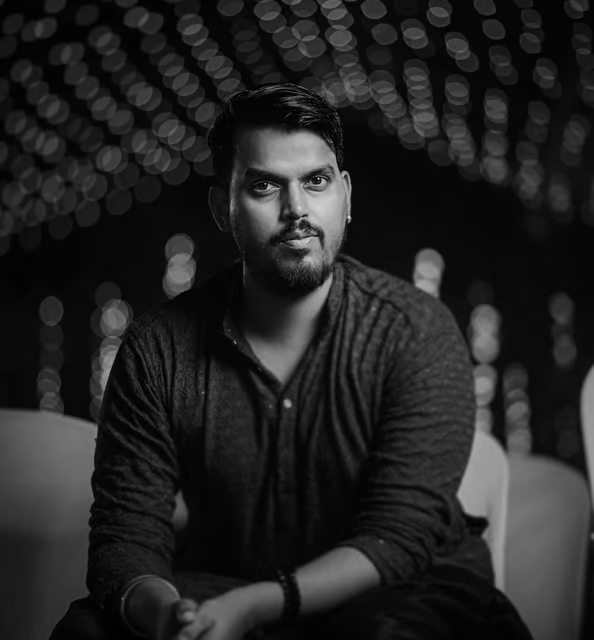
8. Black and White Wedding Photography
Overview
Black and white photography focuses on emotion and contrast, stripping away distractions to emphasize the essence of a moment.
Key Characteristics
- Timeless Appeal: Black and white photos have a classic, enduring quality.
- Emotional Focus: Highlights facial expressions, gestures, and emotions.
- Dramatic Contrast: Uses light and shadow to create depth and texture.
Pros
- Enhances the emotional impact of images.
- Adds a timeless and artistic feel to the album.
- Perfect for capturing intimate or dramatic moments.
Cons
- Loses the vibrancy of colors.
- May not suit all wedding themes or settings.
9. Destination Wedding Photography
Overview
Destination wedding photography captures the magic of weddings held in exotic or scenic locations. This style combines elements of travel photography with traditional wedding photography.
Key Characteristics
- Scenic Backdrops: Emphasizes the natural beauty of the location.
- Adventure-Oriented: Often includes shots of the couple exploring the surroundings.
- Blend of Cultures: Highlights cultural or local elements of the destination.
Pros
- Creates stunning, one-of-a-kind images.
- Perfect for couples who love travel and adventure.
- Adds a unique element to the wedding album.
Cons
- Logistics can be challenging for photographers.
- Requires extra planning for lighting and equipment.
10. Drone Wedding Photography
Overview
Drone wedding photography is a modern trend that uses aerial shots to capture breathtaking views of the venue and its surroundings.
Key Characteristics
- Bird’s Eye View: Provides stunning overhead shots of outdoor ceremonies and receptions.
- Cinematic Feel: Adds a dramatic and dynamic element to the wedding album.
- Venue Showcase: Highlights the beauty and layout of the location.
Pros
- Unique perspective that stands out.
- Perfect for outdoor or destination weddings.
- Enhances the storytelling element of the wedding album.
Cons
- Weather-dependent and requires permits in some locations.
- Limited to venues with open spaces.
Introduction to Wedding Photography
wedding photography is a unique and cherished form of art that captures the essence of one of life’s most significant milestones. It is more than just a series of snapshots; it is about telling a story—a story of love, commitment, and celebration. Each wedding is a tapestry woven with emotions, traditions, and personal moments, and it is the responsibility of the photographer to preserve these fleeting moments for eternity.
The art of wedding photography has evolved over the years, transitioning from formal, posed portraits to a more dynamic and creative expression of the day. Whether it’s the anticipation in the bride’s eyes, the groom’s nervous smile, or the joyous laughter of family and friends, a skilled photographer has the ability to immortalize these moments.
Why Wedding Photography is Important
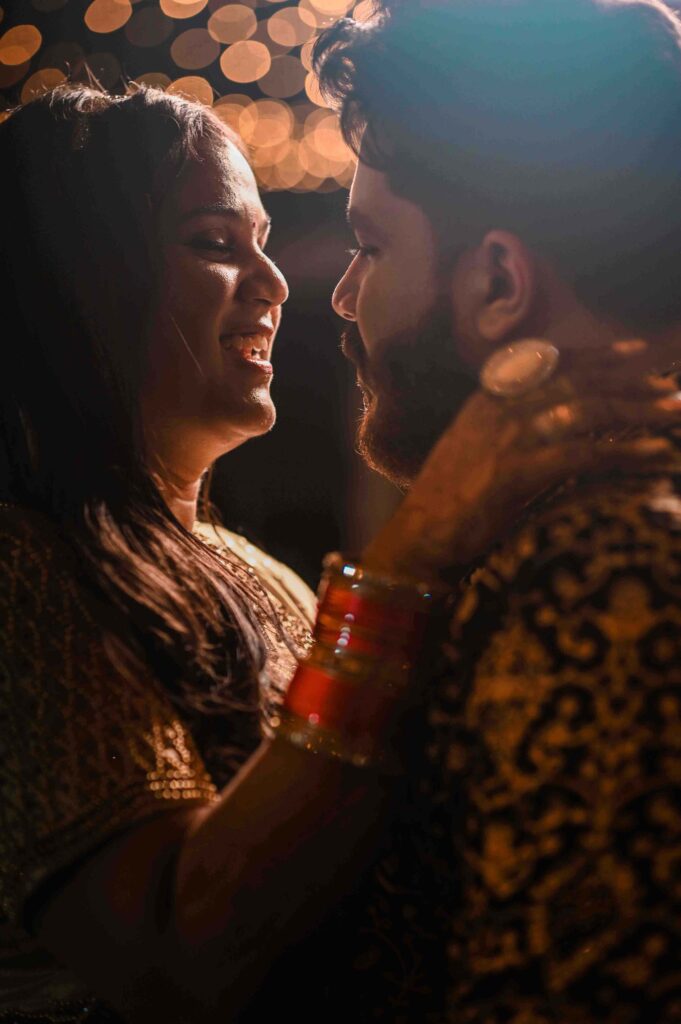
A wedding is a culmination of months—sometimes years—of planning and anticipation. While the flowers will wilt and the cake will be eaten, photographs endure, becoming a tangible legacy for generations to come.
- Preserving Memories: Wedding photography captures the essence of the day, from the intricate details of the decor to the heartfelt emotions of the couple and their loved ones.
- Emotional Connection: Photographs evoke powerful emotions, transporting couples back to their special day every time they look at them.
- Telling a Story: Each photograph contributes to a narrative, creating a visual timeline of the wedding day.
- Cultural and Personal Significance: Weddings often include unique traditions and rituals that are important to the couple and their families. Photography ensures these are preserved and celebrated.
The Evolution of Wedding Photography
In the early days of wedding photography the focus was on formal, posed portraits taken in studios or at the ceremony location. With advancements in technology and changes in artistic preferences, the field has expanded into diverse styles and approaches:
- Traditional Photography: Timeless posed shots that ensure every key moment is documented.
- Photojournalistic Style: Candid, storytelling images that capture emotions naturally.
- Fine Art and Editorial Styles: Creative and stylized approaches that turn wedding photos into works of art.
- Modern Trends: Techniques like drone photography and cinematic videos have added a new dimension to wedding storytelling.
The Role of a Wedding Photographer
A wedding photographer is not just a person behind the camera; they are an artist, a storyteller, and a guardian of memories. Their role encompasses:
- Preparation: Understanding the couple’s vision and planning the shots to align with their expectations.
- Technical Expertise: Using the right equipment, lighting, and techniques to capture high-quality images.
- Adaptability: Navigating unpredictable challenges, such as weather changes or tight schedules, with professionalism.
- Empathy: Building a rapport with the couple and their families to create a relaxed and joyful environment for capturing authentic moments.
Conclusion
Wedding photography styles are as diverse as the couples they serve, offering a range of options to suit every personality, vision, and wedding theme. Whether you prefer the timeless elegance of traditional photography, the candid storytelling of photojournalism, or the artistic flair of fine art photography, each style brings its own magic to your special day.
Selecting the right style involves understanding what resonates with you as a couple and working with a photographer whose expertise aligns with your vision. The result is a collection of lovely memories that will be cherished for a lifetime.