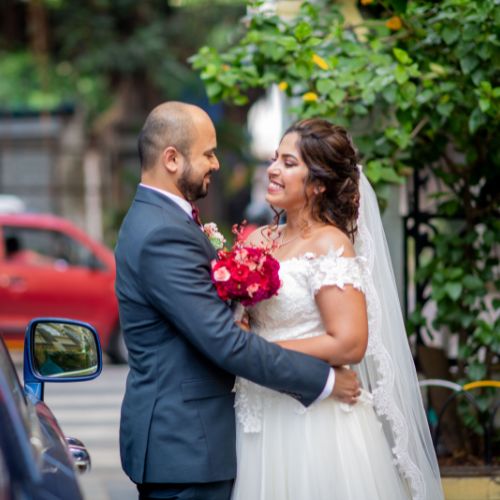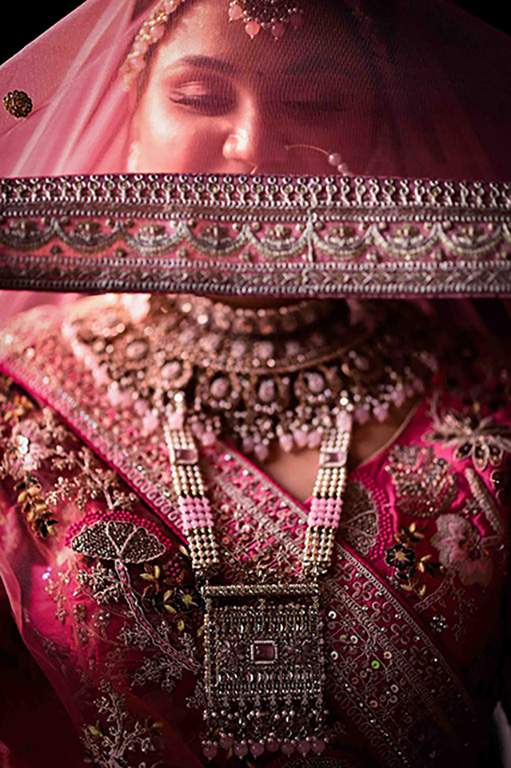
Preparation is the cornerstone of successful fine art wedding photography. It involves meticulous planning, creative collaboration, and an in-depth understanding of the couple’s vision and the wedding day’s logistics. Fine art wedding photography goes beyond capturing events; it’s about creating timeless works of art that reflect the essence of the couple and their celebration. This article explores the various aspects of preparing for fine art wedding photography, including pre-wedding planning, technical readiness, and artistic development.
Understanding the Couple’s Vision wedding photography
- Initial Consultations: The first step in preparation is meeting with the couple. This consultation helps the photographer understand their personalities, preferences, and expectations. Key discussion points include:
- Desired wedding photography style and aesthetic.
- Specific moments or details they want captured.
- The couple’s story, which will inform the visual narrative.
- Mood Boards and References: Collaborating with the couple to create mood boards or share references can help align the photographer’s vision with the couple’s preferences. This step ensures everyone is on the same page regarding the artistic direction.
- Timeline Coordination: Coordinating with the wedding planner or the couple to establish a detailed timeline is essential. Knowing the schedule allows the photographer to allocate sufficient time for key shots, including getting-ready photos, portraits, and candid moments.
Venue Scouting and Planning wedding photography
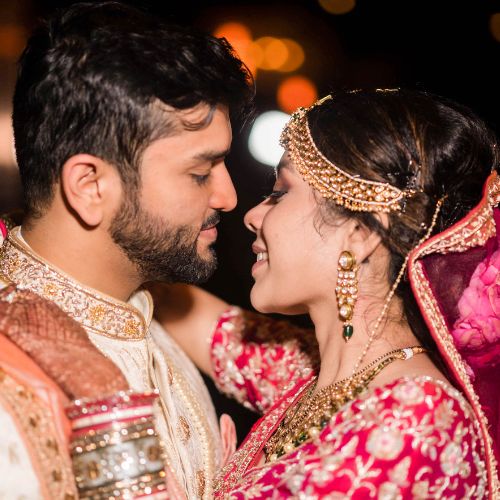
- Pre-Visit to the Venue: Visiting the venue in advance allows the photographer to:
- Identify potential locations for artistic shots.
- Assess natural lighting conditions at different times of the day.
- Plan for any logistical challenges, such as restricted access areas or difficult terrain.
- Scouting for Backdrops: Fine art wedding photography emphasizes aesthetics, so scouting for picturesque backdrops—whether it’s an ornate staircase, a garden, or a panoramic view—is crucial.
- Weather Considerations: Outdoor weddings are often integral to fine art photography. Preparing for weather contingencies, such as rain or harsh sunlight, ensures the photographer can adapt and still achieve stunning results.
Equipment and Technical Preparation wedding photography
- Camera and Lenses: Professional-grade DSLR or mirrorless cameras are a must for fine art photography. Essential lenses include:
- Wide-angle lenses for expansive scenes.
- Prime lenses for portraits with shallow depth of field.
- Telephoto lenses for candid and unobtrusive shots.
- Lighting Equipment: While natural light is preferred, supplemental lighting—such as reflectors, softboxes, or on-camera flashes—can be necessary for low-light conditions or dramatic effects.
- Backup Gear: Having backup cameras, lenses, batteries, and memory cards ensures that technical failures won’t disrupt the workflow.
- Drone Photography: If permitted, drones can add a unique perspective to fine art wedding photography by capturing aerial shots of the venue and festivities.
Artistic Preparation wedding photography
- Concept Development: Fine art wedding photography is about storytelling. Developing a conceptual approach to the wedding, such as focusing on themes of romance or elegance, ensures that the images have a cohesive artistic direction.
- Shot List Creation: A detailed shot list helps the wedding photography prioritize moments and details, such as:
- Bridal portraits.
- First look.
- Ceremony highlights.
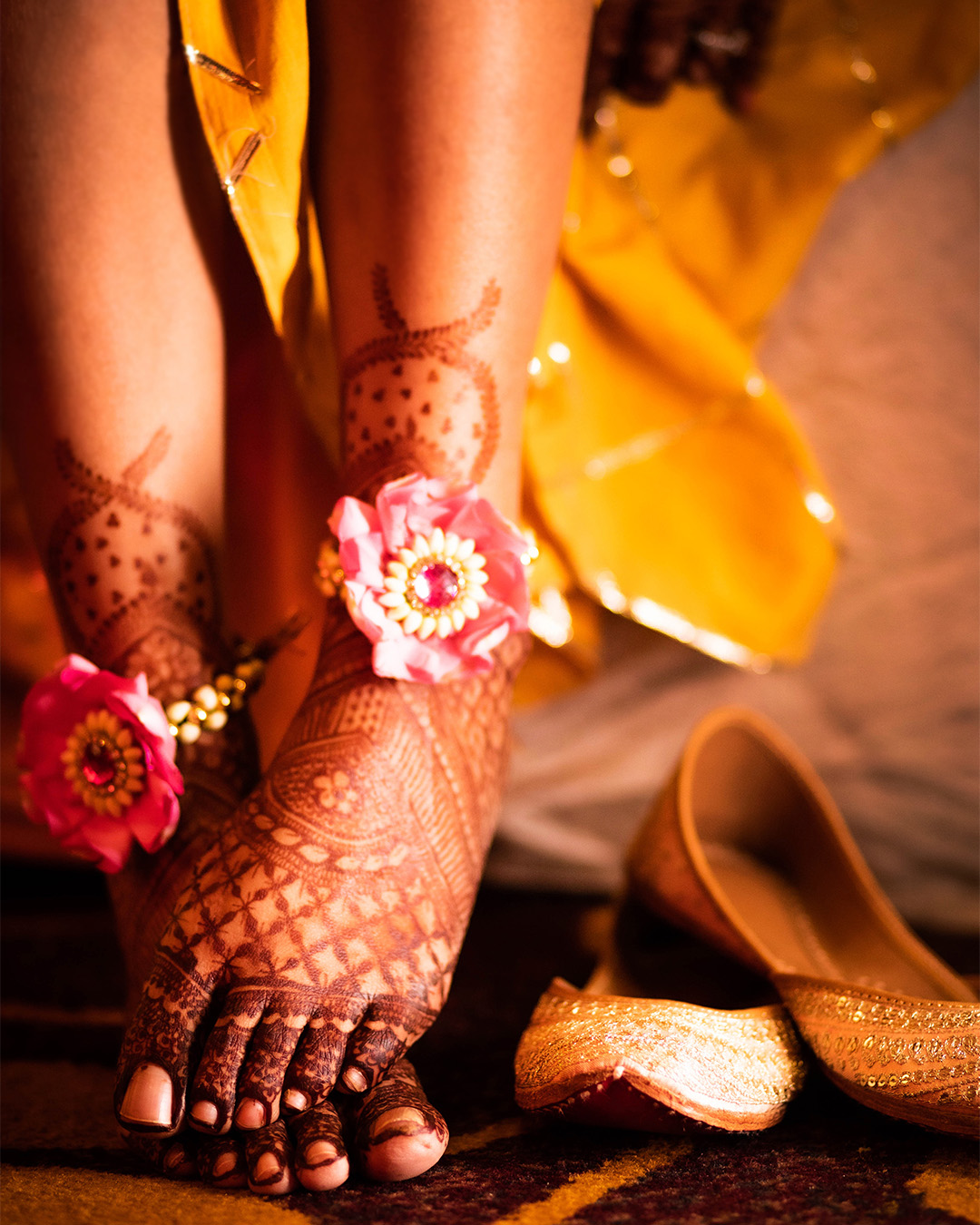
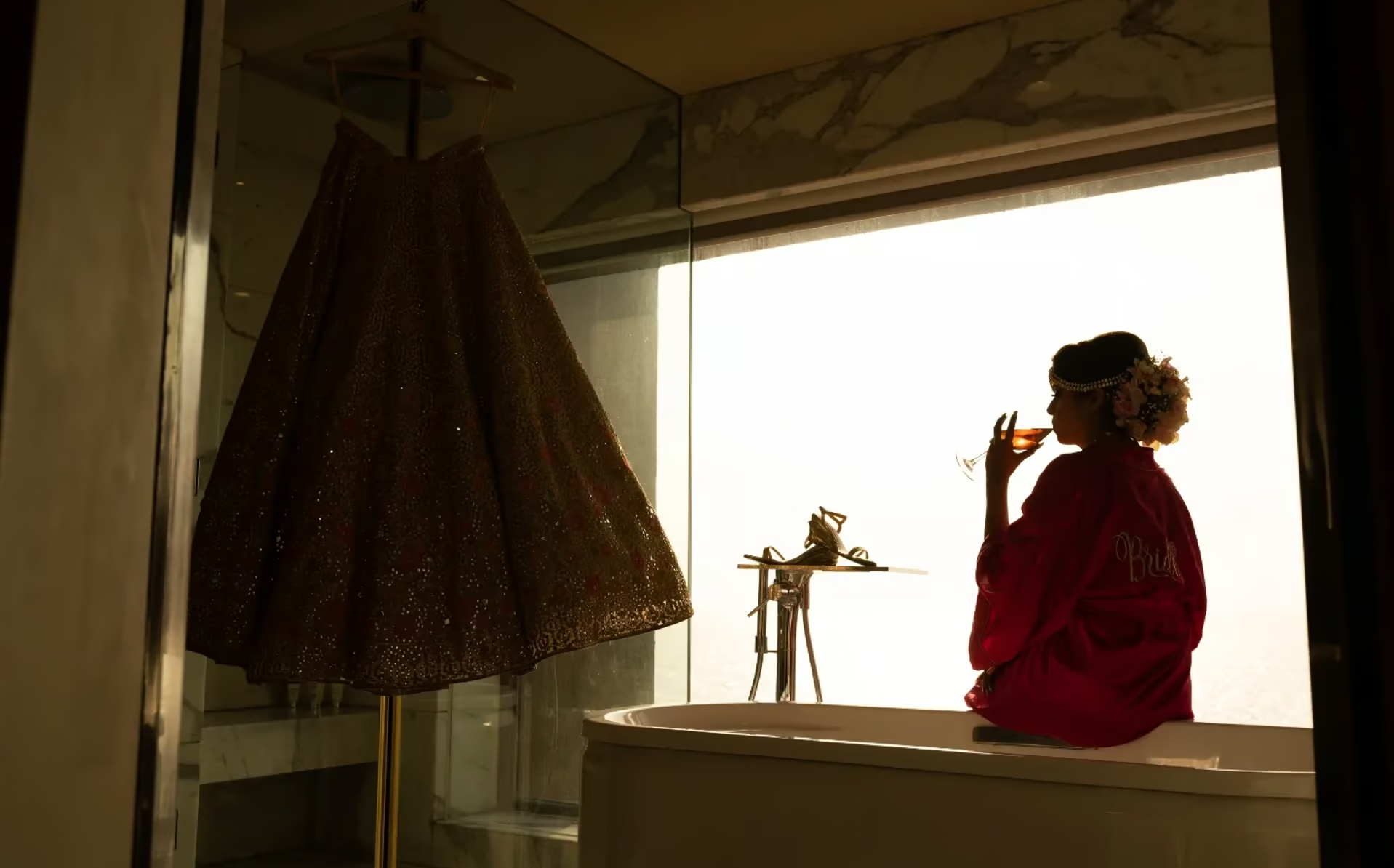
- Details of decor, attire, and accessories.
- Inspiration Research: Staying inspired by studying fine art, fashion photography, or classic paintings can inform the photographer’s approach to composition, lighting, and styling.
Coordination with Other Vendors wedding photography
- Collaboration with Wedding Planners: Working closely with wedding planners ensures that the photography aligns seamlessly with the event’s schedule and design.
- Styling Teams: Coordinating with makeup artists, hairstylists, and wardrobe stylists ensures that the subjects look their best and that the photography complements their work.
- Florists and Decorators: Fine art photography often highlights details like floral arrangements and table settings. Communicating with these vendors helps the photographer capture their work effectively.
Personal and Mental Preparation wedding photography
- Building Rapport: Establishing a connection with the couple and their families creates a relaxed atmosphere, allowing for more natural and genuine photographs.
- Physical Readiness: Weddings are long and demanding events. Staying physically fit and prepared to move quickly ensures the photographer can perform at their best.
- Mindset for Creativity: Approaching the day with an open and creative mindset helps the photographer see unique opportunities for artistic shots.
Backup Plans and Contingencies wedding photography
- Weather Adaptation: Having alternate locations or setups for inclement weather ensures that the quality of photography is not compromised.
- Technical Redundancy: Ensuring all equipment is backed up and ready for immediate use prevents delays or missed opportunities.
- Timeline Flexibility: Being prepared for delays or changes in the schedule allows the photographer to adapt without stress.
Post-Wedding Preparation wedding photography
- Culling and Editing Workflow: Organizing and reviewing images efficiently ensures that the best shots are selected for editing.
- Client Communication: Updating the couple on progress and delivering a preview of images builds anticipation and trust.
- Album and Print Design: Fine art photography often includes creating bespoke albums or prints. Designing these with care ensures the final product reflects the artistic vision.
The Value of Preparation wedding photography
Preparation is what sets fine art wedding photography apart. It ensures that the photographer is ready to capture every detail and emotion with precision and creativity. By investing time and effort into planning, a fine art photographer can deliver images that transcend traditional wedding photography and become cherished works of art.
wedding photography: Positives and Negatives
Positives
- Preservation of Memories: wedding photography captures fleeting moments, creating timeless keepsakes that couples can cherish forever.
- Emotional Impact: Photos evoke the emotions of the day, bringing back the joy, love, and excitement with every glance.
- Professional Quality: Skilled photographers ensure high-quality images with perfect lighting, composition, and editing.
- Creative Expression: Artistic wedding photography styles, like candid or fine art, make the wedding album unique and personal.
- Documenting Details: From the décor to the smallest gestures, photography ensures no detail is forgotten.
- Shared Joy: Photos allow friends and family who couldn’t attend to feel part of the celebration.
Negatives
- Cost: Professional wedding photography can be expensive, sometimes consuming a significant part of the budget.
- Pressure for Perfection: The desire for flawless photos can add stress to the day for both the couple and the photographer.
- Intrusion: Photographers might unintentionally disrupt moments, especially during candid shots or key ceremonies.
- Risk of Disappointment: If expectations aren’t met, couples may feel let down by the final product.
- Dependence on Skill: A less experienced photographer might miss important moments or fail to deliver high-quality images.
- Overemphasis on Posing: Excessive focus on staged shots can detract from enjoying the natural flow of the day.
Why wedding photography is Essential
- Preserving Special Moments: A wedding day is filled with fleeting moments—exchanging vows, the first kiss, or a heartfelt toast. wedding photography ensures these moments are captured forever.
- Documenting Details: Every wedding is unique, with intricate decorations, personalized themes, and meaningful traditions. wedding photography captures these details, preserving the hard work and creativity of the day.
- Emotional Connection: Wedding photos evoke deep emotions, allowing couples to relive the joy, laughter, and love of their special day.
- Family Heirloom: Wedding photos often become treasured family heirlooms, passed down through generations, connecting families to their heritage.
- Telling a Story: Through a blend of posed and candid shots, wedding photography narrates the couple’s love story and the essence of the celebration.
The Role of a wedding photography
A wedding photography plays a crucial role in ensuring the success of this preservation process. They must:
- Understand the Couple’s Vision: Collaborate with the couple to capture their desired style and important moments.
- Adapt to Challenges: Handle various lighting conditions, weather changes, and unpredictable events with ease.
- Provide Artistic Value: Create visually stunning and emotionally impactful photos through composition, lighting, and editing.
Styles of wedding photography
Couples can choose from various styles to suit their preferences:
- Traditional: Focuses on formal, posed portraits and significant moments.
- Photojournalistic: Captures natural, candid moments to tell an authentic story.
- Fine Art: Emphasizes creativity and aesthetic beauty.
- Contemporary: Incorporates modern, stylish elements.
- Drone Photography: Provides breathtaking aerial views of the venue and event.
The Long-Term Importance
wedding photography is not just about the present; its value grows with time. It allows couples to reflect on their journey and share their memories with future generations. As trends and technology evolve, the timeless nature of a well-captured wedding photo remains constant, making it a cornerstone of any wedding celebration.
In conclusion, wedding photography is a vital part of commemorating love, connection, and the joy of a wedding day. It is an investment in memories that last a lifetime, offering a beautiful reminder of the bonds shared and the start of a new chapter.
Key Elements of wedding photography
- Capturing Emotions: wedding photography captures the authentic emotions of the day, from the bride’s tears of joy to the groom’s expressions of happiness. These photos tell a story of love, connection, and celebration.
- Preserving Details: From the intricate designs of the wedding dress and decor to the exchange of rings, photography ensures every small detail is documented.
- Celebrating Relationships: wedding photography captures the bonds between family members, friends, and the couple. Group shots and candid moments reflect the joy shared by all attendees.
- Creating a Legacy: Wedding photographs become heirlooms, passed down through generations, allowing families to reflect on their history and heritage.
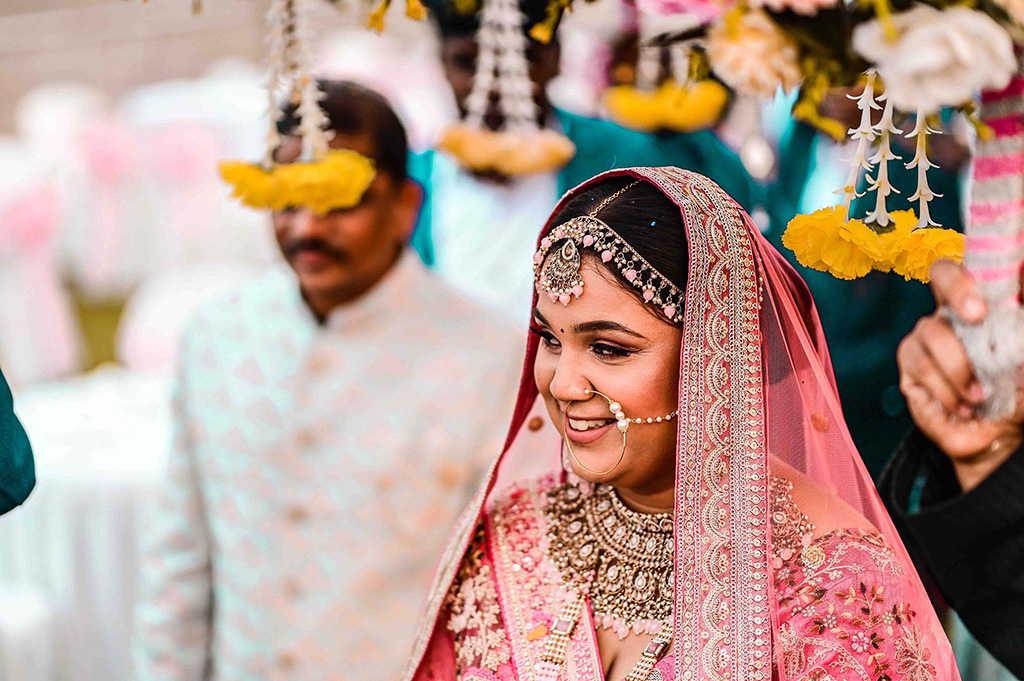
The Role of wedding photography
wedding photography are responsible for more than just taking pictures. They must have technical expertise, creative vision, and the ability to connect with people. Their role includes:
- Planning and Preparation: Discussing with the couple their expectations and preferences, scouting the venue, and understanding the wedding schedule.
- Technical Skills: Using appropriate equipment and techniques to handle various lighting conditions, compositions, and settings.
- Post-Processing: Editing photos to enhance their quality and artistic appeal, ensuring the final collection meets the couple’s expectations.
Importance of wedding photography
- Timeless Memories: wedding photography immortalizes moments that are fleeting, ensuring that even the smallest gestures are preserved.
- Emotional Resonance: Photos evoke nostalgia and allow couples to relive their special day repeatedly.
- Cultural Significance: In many cultures, wedding photos are an essential part of the event, reflecting traditions, customs, and values.
Styles of wedding photography
wedding photography varies based on the style chosen by the couple. Popular styles include:
- Traditional: Focused on posed and formal shots.
- Photojournalistic: Captures candid, unscripted moments.
- Fine Art: Artistic and creative compositions.
- Contemporary: Modern and stylish, inspired by fashion.
- Vintage: Nostalgic and timeless aesthetic.
1. Traditional wedding photography
Overview: Traditional wedding photography, also known as classic wedding photography, focuses on posed portraits and formal group shots. This style is structured and methodical, ensuring that all significant moments and people are captured.
Key Features wedding photography:
- Posed shots of the couple, family, and wedding party.
- Photographs of key moments such as the exchange of vows, ring ceremony, and cutting the cake.
- Emphasis on timeless, formal compositions.
Advantages wedding photography:
- Guarantees that all important moments are documented.
- Ideal for creating photo albums and family portraits.
- Offers a sense of elegance and tradition.
Who It Appeals To: Couples who value tradition and prefer a polished, formal look for their wedding photos.
2. Photojournalistic wedding photography
Overview: Photojournalistic, or documentary wedding photography, captures candid and spontaneous moments as they unfold. The focus is on telling a story through natural, unposed images.
Key Features wedding photography:
- Emphasis on genuine emotions and interactions.
- Minimal interference or direction from the photographer.
- A chronological narrative of the day.
Advantages wedding photography:
- Captures the raw and authentic essence of the wedding.
- Provides a more relaxed and stress-free experience for the couple.
- Creates a narrative that feels genuine and heartfelt.
Who It Appeals To: Couples who prioritize authenticity and want their photos to reflect the true emotions and atmosphere of their wedding day.
3. Fine Art wedding photography
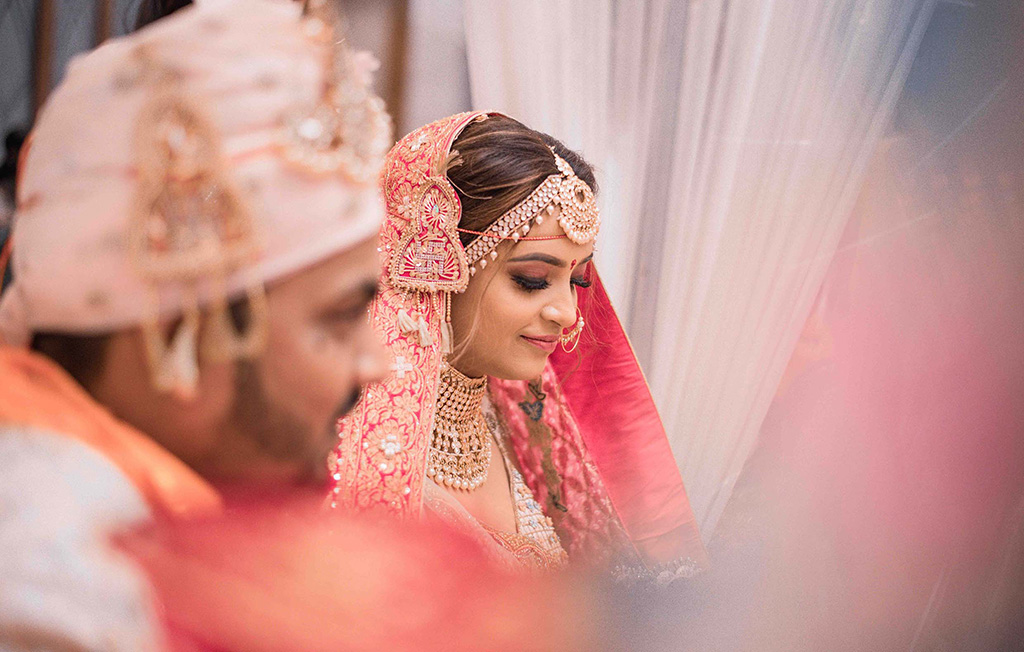
Overview: Fine art wedding photography is a creative and artistic approach, often resembling high-end fashion or editorial wedding photography. It combines technical skill with artistic vision to produce stunning, visually striking images.
Key Features wedding photography:
- Use of unique compositions, lighting, and angles.
- Focus on beauty and aesthetics.
- Incorporation of artistic elements such as reflections, shadows, and color contrasts.
Advantages wedding photography:
- Produces images that are both beautiful and unique.
- Often results in dramatic and memorable photographs.
- Allows for a high degree of personalization and creativity.
Who It Appeals To: Couples who appreciate art and want their wedding photography photos to be visually captivating and distinct.
4. Contemporary wedding photography
Overview: Contemporary wedding photography is modern and stylish, inspired by fashion and editorial shoots. It often features dramatic poses, vibrant colors, and creative backdrops.
Key Features wedding photography:
- Trendy and fashionable poses.
- Use of bold colors and modern settings.
- Incorporation of props and accessories.
Advantages wedding photography:
- Offers a chic and glamorous aesthetic.
- Great for couples who enjoy experimenting with trendy and fashionable styles.
- Ideal for creating statement photos that stand out.
Who It Appeals To: Couples who want a trendy, Instagram-worthy collection of wedding photography that reflect their modern taste.

Conclusion wedding photography
Preparing for fine art wedding photography is a comprehensive process that involves technical readiness, artistic planning, and collaborative effort. By focusing on every detail and anticipating challenges, wedding photography can create stunning images that capture the essence of the couple’s special day. This preparation transforms a wedding into a visual masterpiece, ensuring the memories remain timeless and beautiful for generations to come.