“Capturing Eternal Moments: The Art and Craft of Wedding Photography”
Introduction
wedding photography stands as one of the most cherished and significant forms of visual storytelling. The role of a wedding photographer extends far beyond simply taking photos; it’s about encapsulating the joy, love, and emotions that permeate the most important day in a couple’s life. Through skillful composition, creativity, and a deep understanding of human emotions, wedding photography create timeless memories that couples will cherish forever.
This 7000-word explanation will explore the intricate aspects of wedding photography, including its history, different photography styles, essential techniques, tips for both photographers and couples, the importance of post-production, and the impact of technology on this field. Additionally, it will discuss the business side of wedding photography, including client relationships, pricing strategies, and trends that are shaping the industry today.
1. The History of Wedding Photography
- The Early Beginnings: wedding photography, as we know it today, was not always a common feature at weddings. In the 19th century, photography was a rare and expensive activity, and only the wealthiest could afford portraits of their weddings. The first wedding photography were created using daguerreotypes and other early photographic processes.
- The Evolution of Techniques: Over time, as technology advanced, the accessibility of cameras increased, and wedding photography became a standard part of wedding ceremonies. The introduction of 35mm film, color photography, and digital cameras all played significant roles in the evolution of wedding photography.
- The Rise of Documentary Style: In the latter half of the 20th century, wedding photography began to evolve from stiff, posed photographs into more candid, documentary-style images, focusing on real moments and emotions.
2. The Different Styles of Wedding Photography
- Traditional wedding photography: Known for posed and staged shots, traditional photography focuses on creating classic portraits and capturing key moments in a structured manner. Often involving formal group photos, this style is rooted in heritage and tends to follow a well-established pattern.
- Photojournalistic Wedding Photography: This style focuses on storytelling. The wedding photographer acts like a fly on the wall, capturing candid moments, emotions, and spontaneous interactions between the couple, their guests, and the surroundings. It’s less about posing and more about capturing the natural flow of events.
- Fine Art Wedding Photography: Fine art photographers approach wedding photography with an artist’s mindset. They focus on the aesthetics of light, composition, and detail. Their photos often have a dreamy or romantic feel, with a focus on beauty, mood, and artistry.
- Editorial Wedding Photography: Influenced by fashion and lifestyle photography, editorial wedding photography is highly stylized, with dramatic lighting, unique angles, and carefully planned compositions. It often resembles magazine editorials.
- Destination Wedding Photography: This style is designed for weddings held in exotic or unique locations. Destination wedding photographers focus on capturing the natural beauty of the surroundings and integrating them with the love story of the couple.
- Lifestyle Wedding Photography: Combining elements from documentary and fine art styles, lifestyle wedding photography seeks to tell the story of the couple’s day while showcasing the emotions and authentic moments in a relaxed, natural style.
3. Essential Techniques in Wedding Photography
- Lighting: One of the most crucial aspects of wedding photography is the ability to work with light. Understanding natural light, using artificial light effectively, and mastering flash techniques can make a significant difference in the quality of the final images.
- Composition: Great photographers know how to frame a shot to bring out the most in their subjects and surroundings. Composition techniques like the rule of thirds, leading lines, and symmetry help create visually appealing photographs.
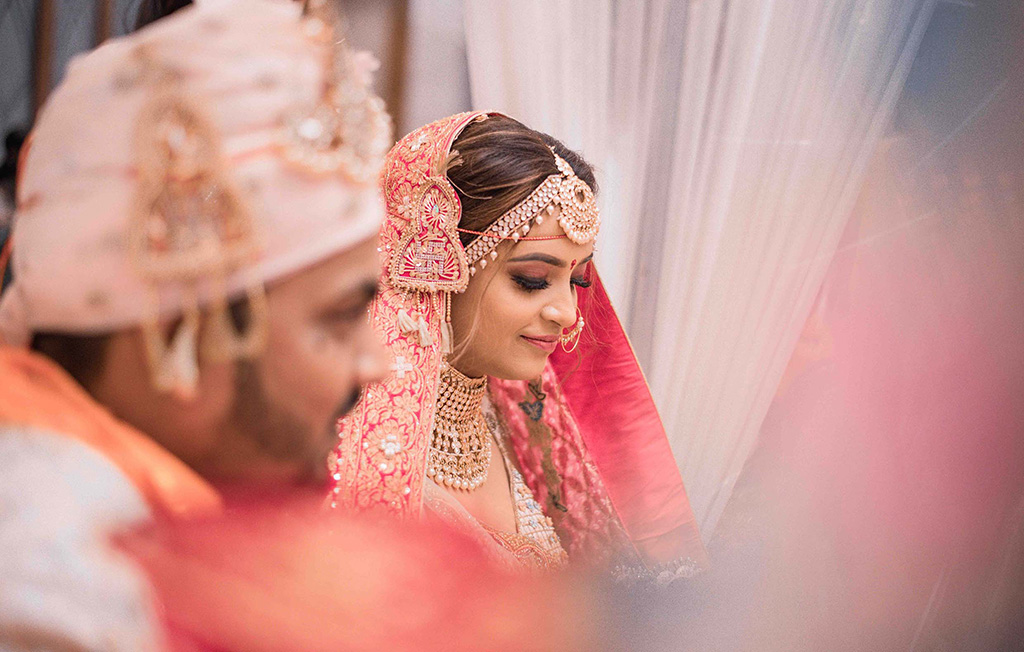
- Focus and Depth of Field: A skilled wedding photographer knows when to focus on specific details, such as a couple’s hands during the exchange of rings, while blurring the background to draw attention to the subject.
- Timing: Wedding photography often requires fast reflexes, as the photographer must be ready to capture fleeting moments, such as the first kiss, the laughter during speeches, or a tear during vows.
- Post-Processing: The art of post-production is where the photographer’s style can truly shine. From color correction to retouching, editing helps to enhance the overall mood and ensure the final images align with the couple’s vision.
4. The Importance of Storytelling in Wedding Photography
- Emotion and Connection: A wedding day is filled with emotions—joy, excitement, nervousness, and love. Great wedding photographers focus on capturing these emotions in a way that tells the unique story of each couple. By documenting the candid moments, they preserve the essence of the day, creating a visual narrative that couples will cherish.
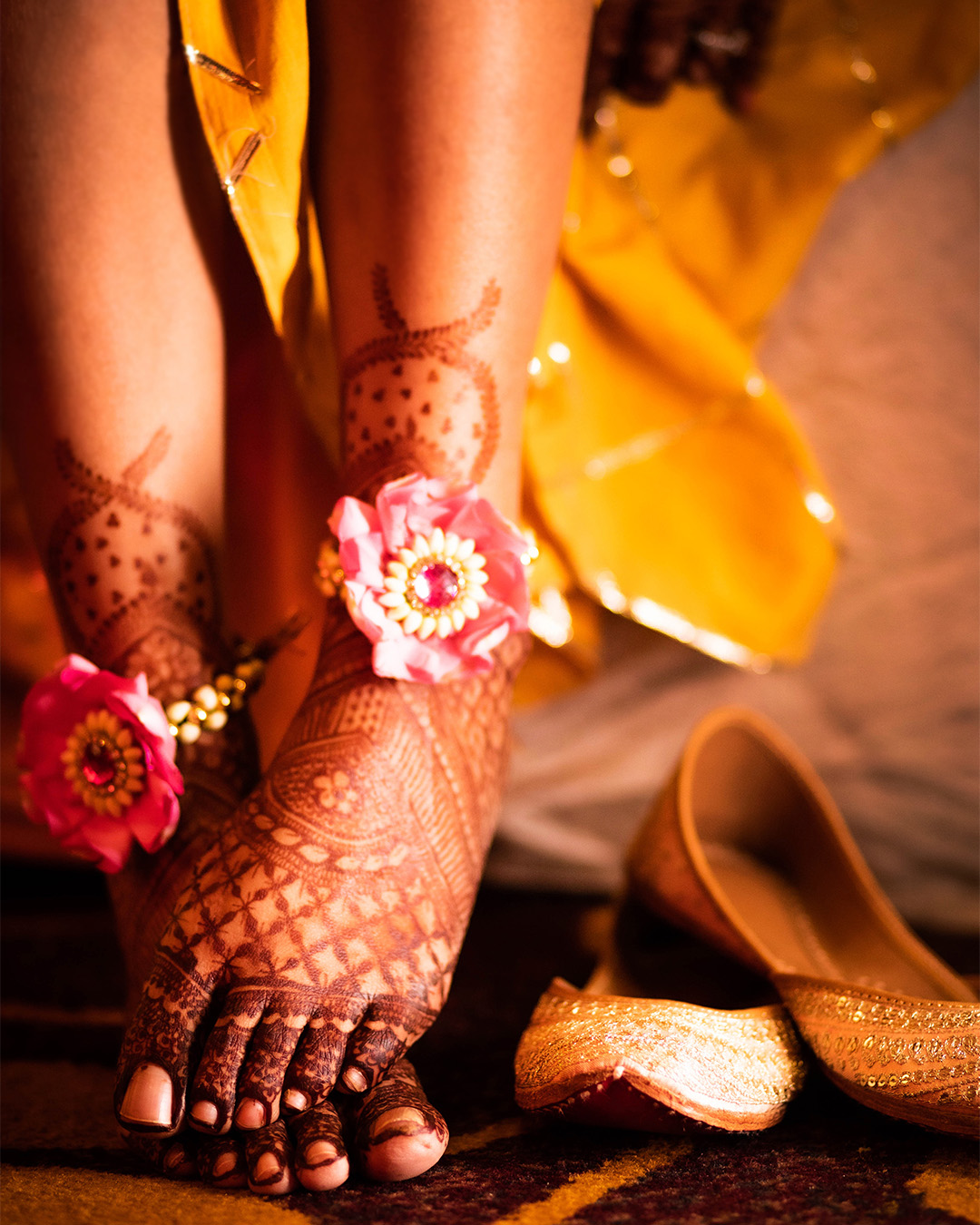
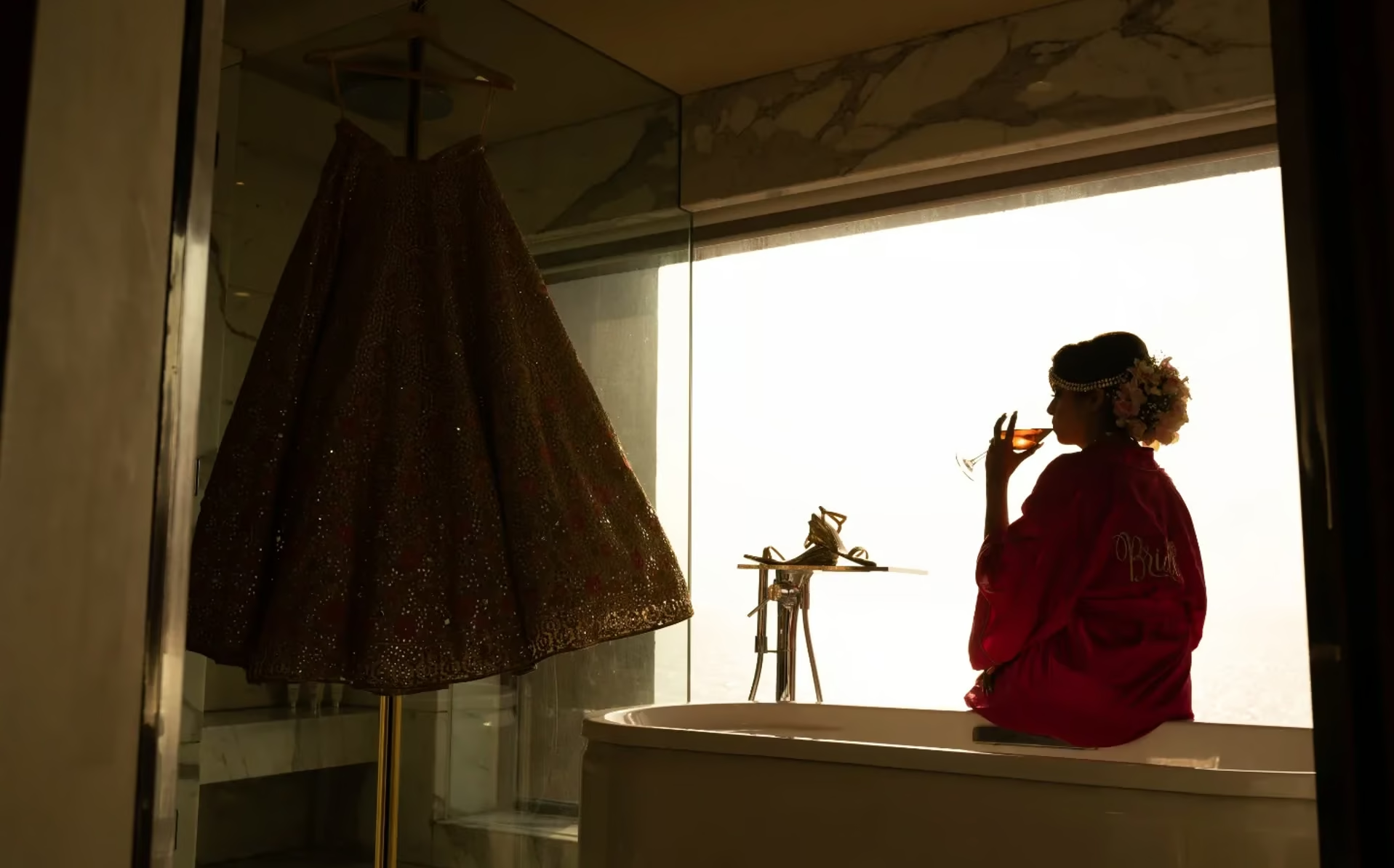
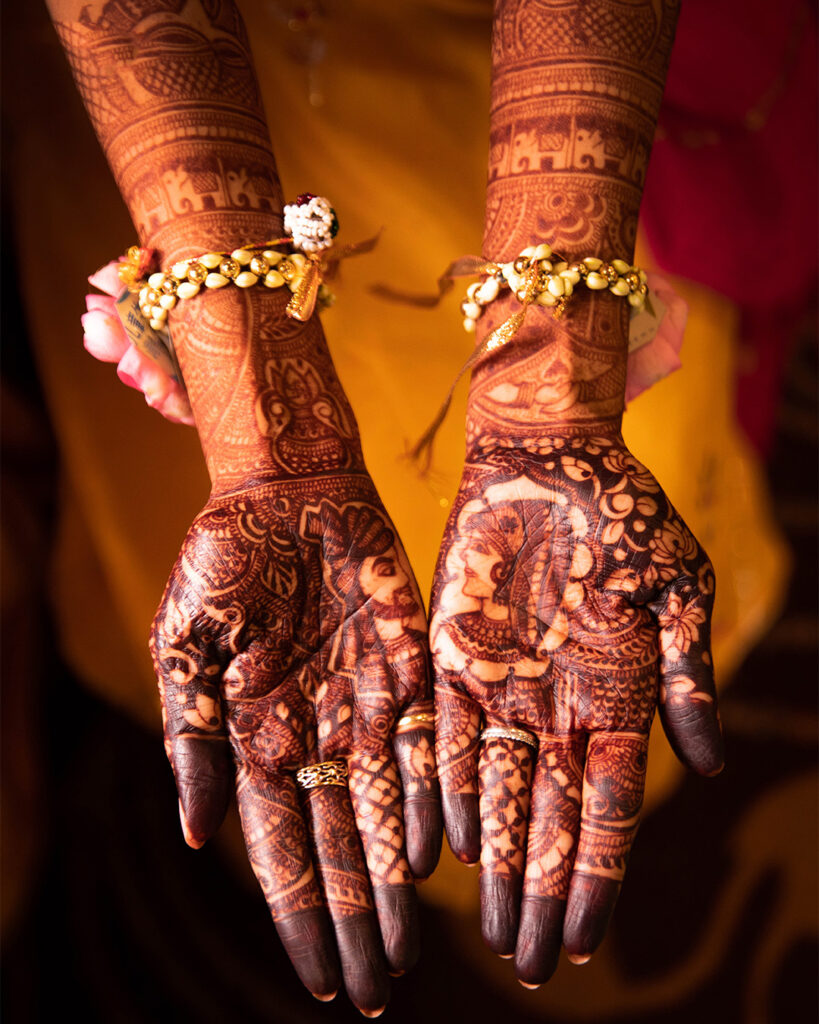
- Personal Touches: Incorporating personal details into wedding photos adds an extra layer of depth. This could include close-ups of the couple’s rings, the bride’s dress details, or emotional exchanges between family members. Every couple has a unique love story, and wedding photography should reflect that.
5. Client Relationships and Expectations
- Consultation and Communication: Building a strong relationship with clients is essential in wedding photography. Clear communication about their vision, preferences, and expectations helps the photographer tailor their approach to each couple’s needs.
- Understanding the Couple’s Story: Understanding the couple’s personal journey, how they met, and what they envision for their wedding day will allow the photographer to capture more intimate and meaningful moments.
- Pre-Wedding Shoots: Engagement or pre-wedding shoots are an excellent way to build rapport with the couple and allow them to get comfortable with the photographer’s style. These sessions help reduce nerves on the wedding day and provide a great opportunity to capture the couple in a relaxed setting.
- Delivering Beyond Expectations: Exceeding client expectations can be done by offering a range of services, such as same-day edits for social media sharing, or creating beautiful wedding albums that tell the entire story of the day.
6. Challenges in Wedding Photography
- The Pressure of a One-Time Event: Unlike other types of photography, wedding photography requires the photographer to be prepared to capture every moment without any second chances. Mistakes are not an option, and the pressure to deliver is high.
- Working with Diverse Groups: wedding photography often work with diverse groups of people, including different generations, cultures, and family dynamics. Navigating these dynamics while still delivering exceptional work requires skill and sensitivity.
- Long Hours and Fatigue: Weddings can last for hours, often from early in the morning to late at night. Wedding photographers need to maintain energy, focus, and creativity throughout the day, even when fatigue sets in.
7. Technology and Trends in Wedding Photography
- The Rise of Digital Cameras: Digital cameras have revolutionized wedding photography, providing photographers with more flexibility and the ability to take more shots without the cost of film.
- Drone Photography: Drones have added a new dimension to wedding photography, offering breathtaking aerial views of the venue, the couple, and their guests. This technology allows for stunning, unique perspectives.
- Social Media and Sharing: In the modern age, couples often want to share their wedding photos on social media platforms like Instagram and Facebook. This has led to a rise in photographers offering quick turnaround times or same-day edits for social media posts.
- Wedding Videography: Many photographers now offer videography services in addition to still photography. The blend of photography and videography captures the full spectrum of the wedding day, including movement, sound, and emotion.
8. The Business of Wedding Photography
- Building a Brand: For many photographers, wedding photography is not just a passion but also a business. Building a strong brand is essential for standing out in a competitive market. This includes creating a portfolio, setting up a professional website, and marketing services.
- Pricing Strategies: Pricing in wedding photography can vary widely depending on the experience of the photographer, location, and services offered. It’s important for photographers to develop a clear pricing structure that reflects their skill level, while remaining competitive in the market.
- Contracts and Agreements: Contracts are crucial in protecting both the photographer and the client. A solid contract should outline the details of the wedding day, payment schedules, cancellation policies, and delivery timelines.
- Marketing and Networking: Word-of-mouth and referrals from past clients are one of the best forms of marketing for wedding photographers. However, online marketing, such as search engine optimization (SEO), social media, and wedding blogs, also play key roles in building a client base.
Wedding Photography: Capturing Eternal Moments
wedding photography is not merely about documenting an event; it is about capturing the emotions, the love, and the unique moments that define one of the most important days in a couple’s life. The essence of wedding photography lies in creating images that transcend time, evoking memories that will last forever. This art form, often referred to as “capturing eternal moments,” is about more than just taking pictures—it’s about telling a story, preserving emotions, and creating a visual legacy for the couple and their families.
1. The Art of Wedding Photography: Why It’s So Special
Wedding photography is an art that goes beyond just technical expertise. A good wedding photographer doesn’t just take pictures; they capture the raw, candid moments that tell the story of a couple’s love, commitment, and celebration. The goal is to immortalize these moments in a way that allows the couple to relive their wedding day every time they look at their photographs.
wedding photography work with lighting, composition, angles, and timing to ensure that every moment is captured in its most beautiful and meaningful form. These photographers do not only focus on posed pictures but also on spontaneous and fleeting moments that often carry the most emotional weight—such as the bride’s first look, the groom’s reaction during the vows, or the joyful tears of parents watching their children marry.
2. Capturing the Essence of the Wedding Day
A wedding day is a whirlwind of emotions, activities, and events. From the nervous excitement before the ceremony to the joyful celebration during the reception, the photographer’s role is to be a silent observer, ensuring no important moment is missed. Great wedding photographers are adept at capturing the essence of the day—highlighting the couple’s personalities, the intimate interactions between family members, and the beautiful details that often go unnoticed in the rush of the day.
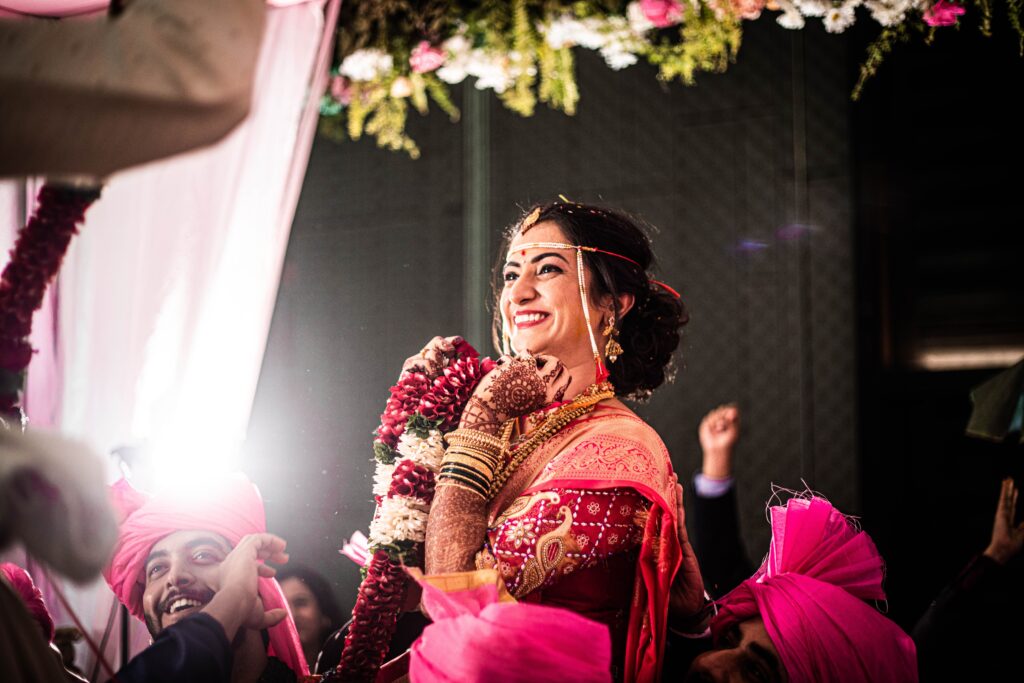
Candid Moments: One of the key elements in wedding photography is capturing candid moments. These spontaneous images show the couple and their guests at their most authentic, reflecting the true emotions of the day. Whether it’s a quiet exchange of glances between the bride and groom or the laughter shared between friends during the reception, these candid moments often become the most cherished images.
Details and Atmosphere: Wedding photography is not just about the people; it’s also about the atmosphere and the details that define the event. The wedding dress, the floral arrangements, the cake, the venue—all these elements play a crucial role in the overall story of the day. Capturing the finer details helps to tell a richer story, allowing the couple to remember not just the big moments, but also the small touches that made their day unique.
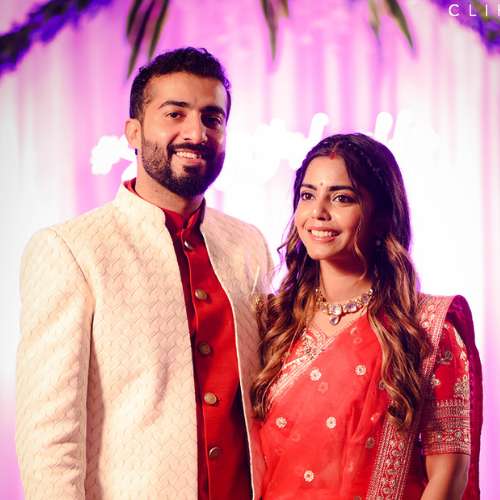
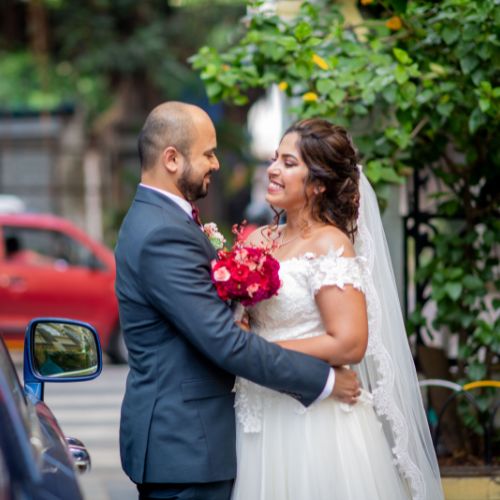
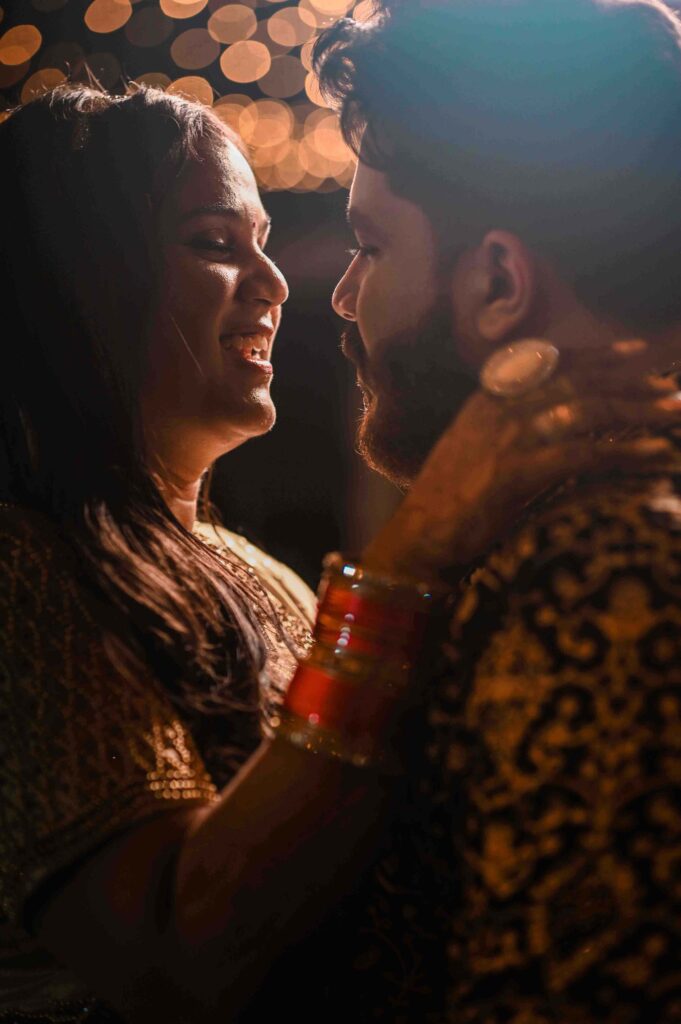
The Couple’s Connection: At its heart, wedding photography is about the relationship between the couple. Capturing the way they look at each other, the way they hold hands, and the expressions that convey their love and joy creates a powerful and emotional narrative. These intimate moments not only celebrate their connection but also tell a timeless story of their union.
3. The Wedding Photographer’s Approach: Techniques and Tools
wedding photography use a combination of creative techniques and modern technology to capture every moment with precision and artistry. Here are some key elements that make wedding photography an exceptional craft:
Lighting: Lighting is arguably one of the most important aspects of wedding photography. Whether using natural light, flash, or ambient lighting, a skilled photographer knows how to use light to create stunning images. Natural light, especially during the golden hour (the time just before sunset), can produce soft and flattering photos, while artificial light can be used to add drama and contrast in darker settings.
Composition: The way a photographer frames a shot is crucial in wedding photography. The rule of thirds, leading lines, symmetry, and other compositional techniques help create visually appealing images. The way elements within the frame interact with each other can evoke a sense of balance and harmony or create tension and energy, depending on the photographer’s vision.
Timing and Anticipation: One of the most important skills of a wedding photographer is knowing when to click the shutter. Wedding photographers must be quick thinkers, always anticipating the next moment and being ready to capture it before it slips away. Whether it’s the moment the bride walks down the aisle or the first kiss, a photographer must be poised to capture these fleeting instances with precision.
Post-Processing: The editing process is where a photographer’s style truly comes to life. Post-processing involves enhancing colors, adjusting exposure, and sometimes retouching certain elements of the photo. A skilled photographer knows how to enhance the natural beauty of the image without over-editing, ensuring that the final product retains the authenticity and emotion of the original moment.
4. The Emotional Impact of Wedding Photography
wedding photography is inherently emotional because it captures the most significant moments of a couple’s life. Every photograph taken on a wedding day holds deep meaning—not just for the couple, but for the families, friends, and loved ones who share in the celebration. These images become cherished heirlooms that tell the story of a family’s legacy for generations to come.
The emotional power of a wedding photograph lies in its ability to evoke a sense of nostalgia, joy, and love. Years after the wedding, when couples look back at their photos, they are reminded of the promises made, the tears shed, and the love that surrounded them on their special day. Wedding photos help preserve these emotions, allowing couples to relive the joy of their wedding day whenever they wish.
5. The Role of the Wedding Photographer: A Silent Storyteller
The wedding photographer’s role goes far beyond simply snapping photos—they are the silent storytellers of the day. They observe and document without interrupting or intruding, working unobtrusively to capture every precious moment. The best wedding photographers know how to blend into the background, allowing the natural flow of events to unfold while being ready to capture each significant moment.
wedding photography are often the unsung heroes of the wedding day. While other vendors may be in the spotlight, the photographer is the one who ensures that the memories of the day are preserved for posterity. They are present for the intimate moments—the quiet moments before the ceremony, the first dance, the tearful speeches—and it is their artistry that brings those moments to life in the form of photographs.
6. Creating Timeless Keepsakes
At the end of the day, the wedding photography job is to create timeless keepsakes—images that the couple will treasure forever. A great wedding photographer does not just capture the moments of the day; they immortalize the love, the connection, and the memories that will be cherished for years to come.
Wedding albums and prints are often passed down through generations, serving as a visual history of the family. These photographs become a tangible link to the past, helping future generations connect with their heritage and the love stories that shaped their family.
7. The Future of Wedding Photography: Embracing Technology
As technology continues to evolve, so too does the world of wedding photography. New advancements, such as drone photography, 360-degree video, and live streaming, are changing the way weddings are documented. Drones, for example, offer a unique aerial perspective, allowing photographers to capture breathtaking shots of the venue and the couple in a way that was once impossible.
Additionally, digital editing software has made it easier than ever for photographers to enhance their images and deliver high-quality work. The rise of social media has also made wedding photography more accessible, as couples can share their wedding photos with friends and family instantly.
However, despite these technological advancements, the core essence of wedding photography remains unchanged: it is still about capturing the emotions, the connections, and the unforgettable moments that make a wedding day truly special. No matter how much technology advances, the ability to tell a meaningful story through images will always be at the heart of great wedding photography.
Conclusion
Wedding photography is more than just a profession; it is an art form that encapsulates the emotions, memories, and timeless moments of one of the most significant days in a couple’s life. Through a skilled combination of technical expertise, creativity, and an understanding of the couple’s unique love story, a wedding photographer can preserve these moments for generations to come. “Capturing eternal moments” is not just a tagline; it’s the mission of every photographer who steps into the role of a storyteller on the most important day of a couple’s life. Whether it’s a candid laugh, a tear-filled vow, or a stolen glance, wedding photography ensures that these fleeting moments are immortalized forever.