wedding photography is a delicate blend of art and emotion, aiming to preserve the timeless essence of one of the most significant moments in a couple’s life. Among the various techniques and styles in wedding photography, capturing beautiful movement plays a crucial role in bringing dynamism and life to the images. Movement in wedding photography is not just about action—it’s about how emotions, relationships, and moments unfold through time and space, creating a narrative of motion within the stillness of the image.
What is Beautiful Movement in Wedding Photography?
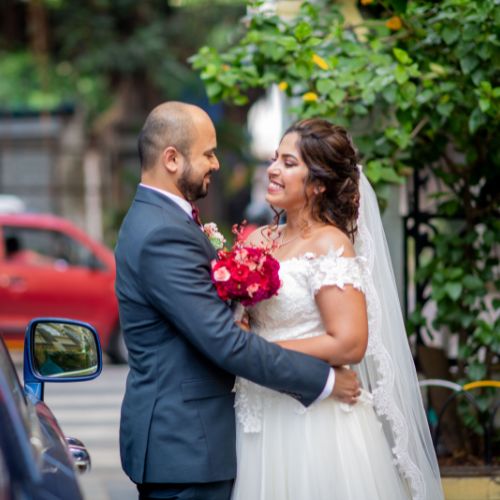
Beautiful movement in wedding photography refers to the way motion is captured in photographs, where the subject—usually the couple or the environment—seems to be in a state of flow. It can manifest in many forms: the movement of the couple as they dance, walk hand in hand, laugh, or even share a quiet moment. Movement can also include the motion of elements like flowing dresses, fluttering veils, or even the gentle sway of the trees on a breezy day.
In wedding photography, beautiful movement isn’t about blurring every frame or simply showcasing fast-paced moments. It’s about capturing grace, emotion, and the authenticity of the moment in motion, presenting a story that unfolds beyond the stillness of a traditional portrait. Movement captures the energy, emotion, and connection between individuals, making wedding photography more dynamic and emotionally engaging.
The Role of Movement in Telling a Wedding Story
A wedding is a series of fluid moments—a constant flow of emotions, interactions, and actions that build the atmosphere and essence of the day. Photographers, therefore, must learn to identify these movements and how to capture them meaningfully.
- Storytelling Through Movement: A wedding photography primary goal is to tell the story of the day. While static images can capture beautiful moments, incorporating movement adds an extra layer of narrative depth. For example, a slow-motion shot of a bride walking down the aisle tells a different story than a traditional posed portrait. The movement—whether it’s the slight sway of her dress or the anticipation in her steps—adds emotion and context, creating a richer visual tale.
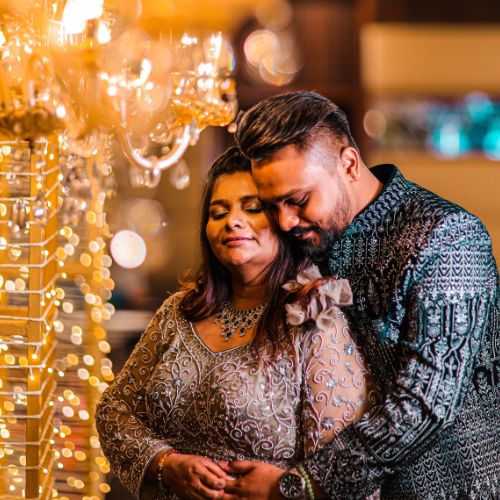
- Capturing Love in Action: Love isn’t always still—it’s active, expressive, and can be seen in the movements of the couple. From a kiss to the way they look at each other while dancing, love is shown through gestures, touches, and the way two people interact. By focusing on these subtle movements, wedding photographers can capture the rawness of the connection between the couple.
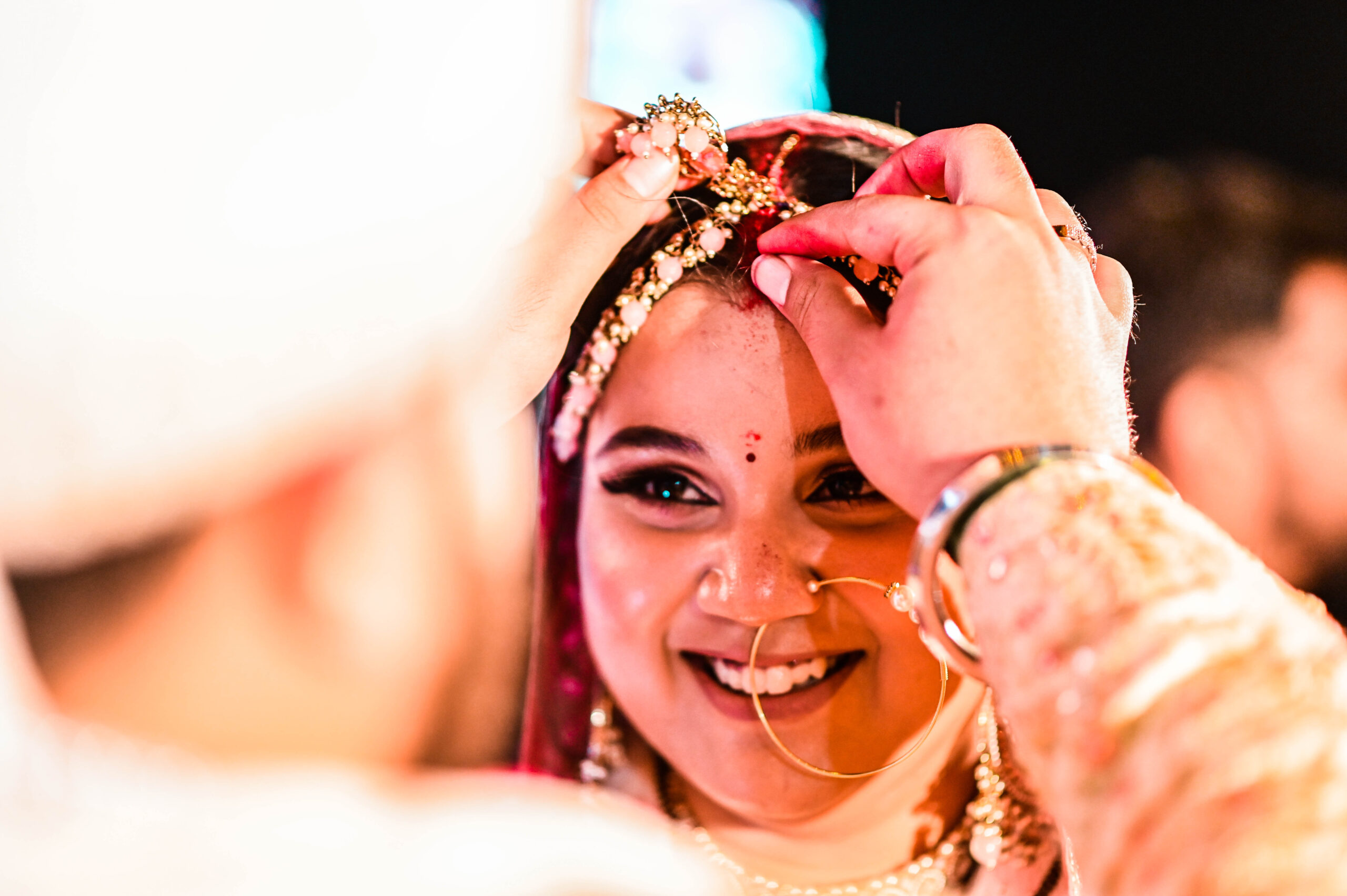
- Moments of Spontaneity and Joy: Weddings are often full of spontaneous moments—laughter, embraces, and expressions of joy that can’t be posed. These fleeting movements tell the unspoken story of the day, and photographers who focus on capturing these instances give the couple a visual memory of their most genuine moments. For instance, a candid shot of the groom spinning his bride on the dance floor, or the flower girl twirling in her dress, adds vibrancy and life to the wedding album.
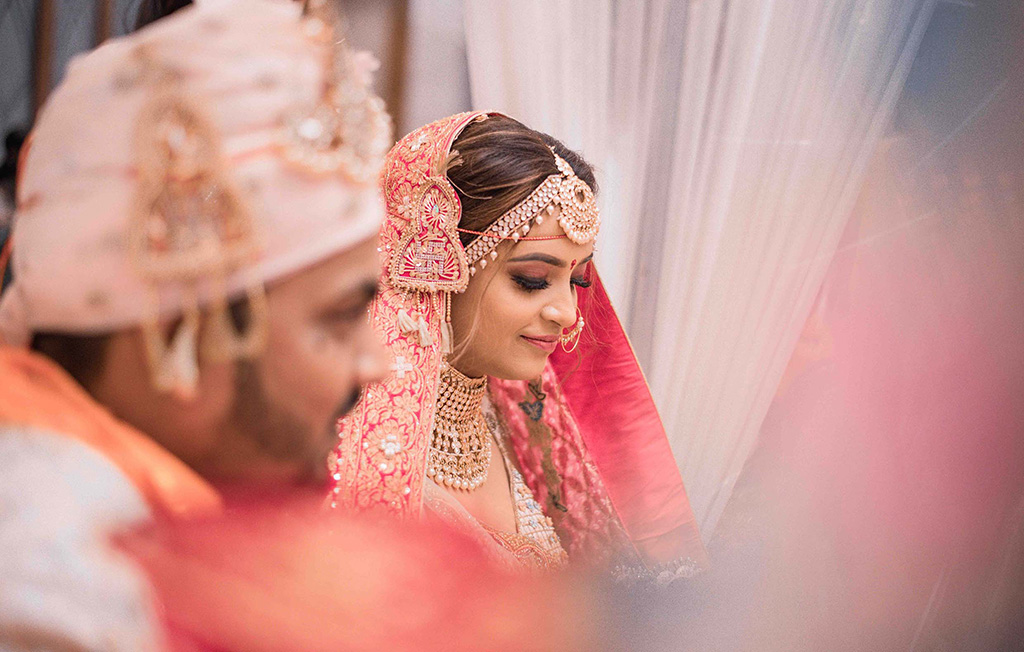
- Elegance and Grace: Beautiful movement can also be subtle and graceful. The movement of the bride’s veil as she walks down the aisle, the wind catching her dress, or the couple sharing an intimate moment in a quiet corner—all of these show the beauty of elegance in motion. Capturing these moments allows the photographer to convey the serenity and emotional depth of the day in a more artistic and intimate way.
Techniques for Capturing Beautiful Movement
To effectively capture beautiful movement in wedding photography, photographers must employ a combination of technical skills and creative vision. Understanding how to work with light, timing, and composition is essential. Here are several techniques used to capture movement in wedding photography:
- Shutter Speed and Motion Blur: One of the most common ways to create a sense of motion is by adjusting the camera’s shutter speed. A slower shutter speed allows the camera to capture the movement of the subject, whether it’s the twirl of a dress or the sway of a couple’s hands. The blur created by this technique can add a sense of grace and fluidity to the image, giving the viewer a sense of motion without losing the image’s clarity. However, it’s important to use this technique subtly, as too much blur can overwhelm the image and distract from the main subject.
- Freezing Motion: Alternatively, freezing a moment in time can emphasize the sharpness of movement. By using a fast shutter speed, photographers can capture an instant—like the leap of joy or a kiss—frozen in time. This technique often works well with action-packed moments like the bouquet toss or when the bride and groom share an enthusiastic kiss.
- Panning: Panning involves following the movement of the subject with the camera while using a slower shutter speed. This results in a sharp subject surrounded by a motion blur, emphasizing the speed and movement of the action. For example, panning might be used to capture a couple running through the rain or a group of guests dancing on the floor. The effect creates a sense of excitement and energy, bringing the viewer’s attention to the subject while maintaining the flow of the action.
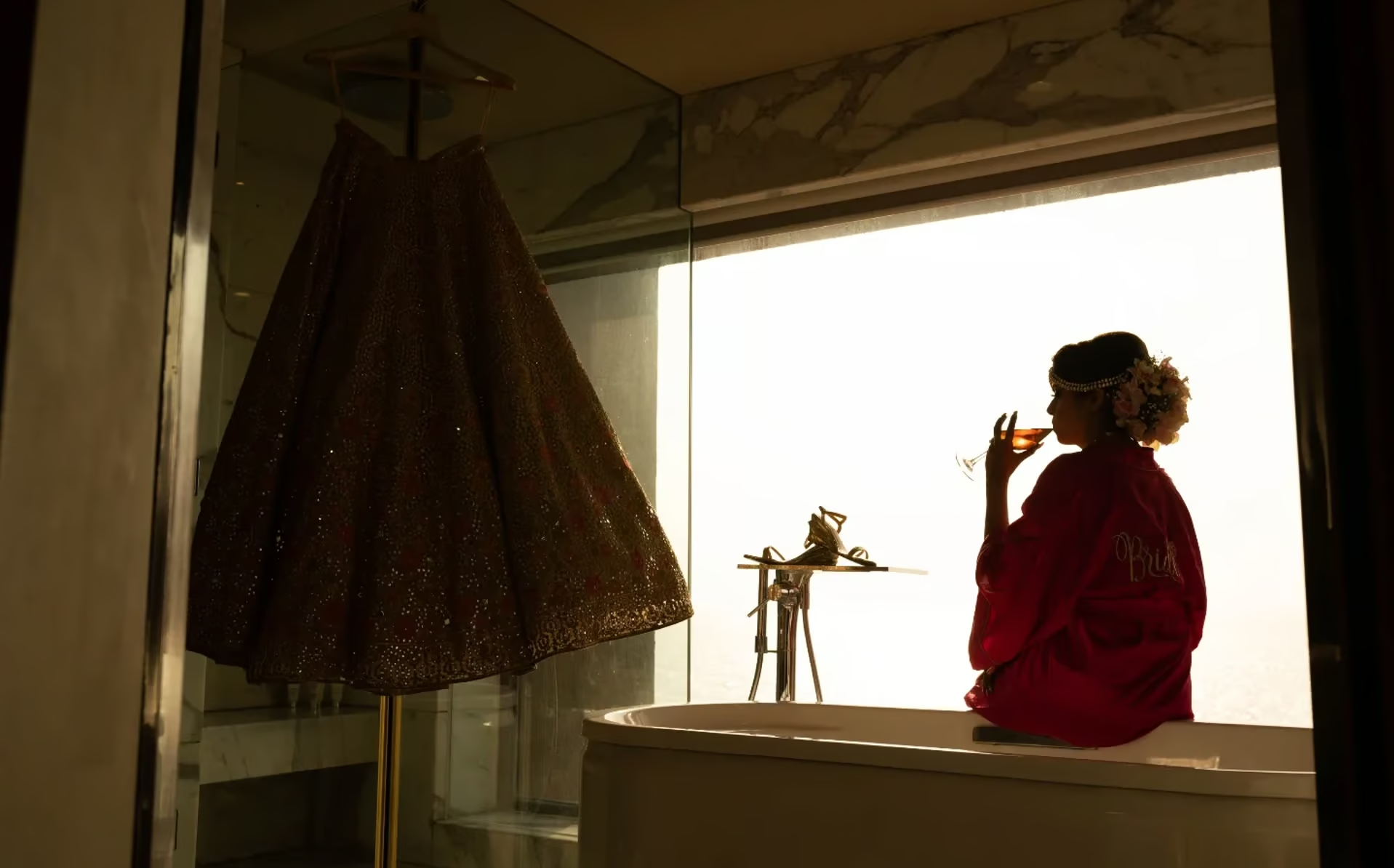
- Light and Shadows: Movement can also be highlighted through the manipulation of light and shadows. The play of light on a flowing dress, the flicker of a candle during the ceremony, or the silhouette of the couple during the golden hour can enhance the feeling of motion. Shadows can create depth, and contrasting light can make movements feel more dramatic. For example, a shot of the couple during sunset, with their figures framed by the light, creates a moment of beauty and serenity in motion.
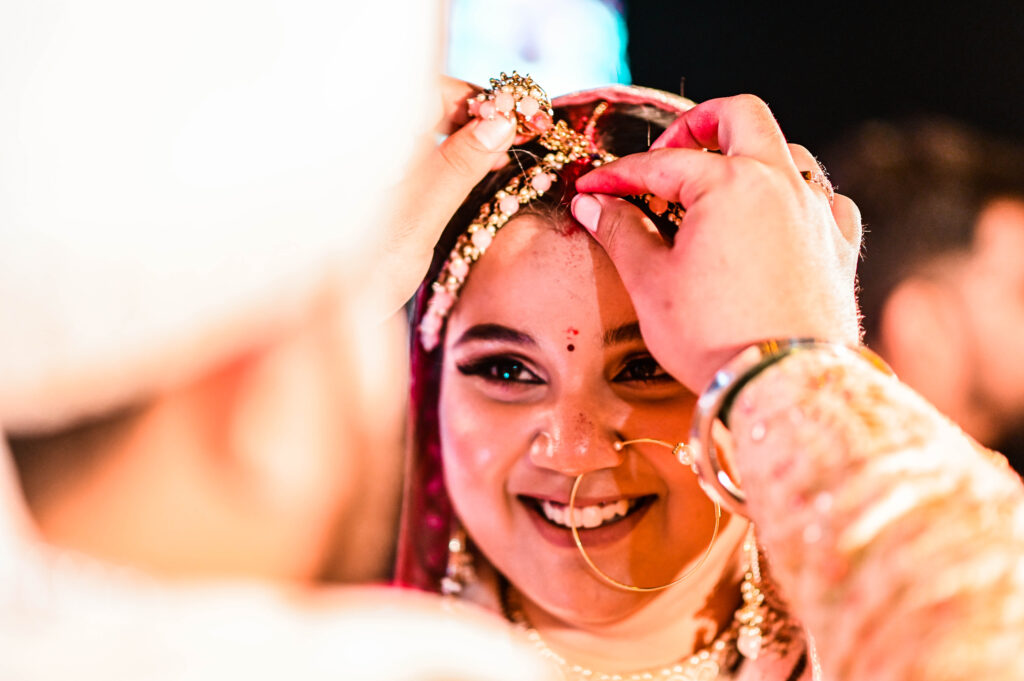
- Candid Shots and Natural Moments: A key element of wedding photography is the ability to capture candid, natural moments that show genuine emotion and movement. The act of walking down the aisle, the laughter during speeches, and the dance moves during the reception are all moments of beauty in motion. Photographers who are skilled at capturing these fleeting moments in a natural, unobtrusive way can create a collection of photographs that feel authentic and alive.
The Impact of Beautiful Movement on Wedding Photography
The inclusion of beautiful movement in wedding photography transforms the experience of viewing the images. Rather than presenting a series of static, posed portraits, the photographs come alive with emotion, energy, and grace. Here are some ways in which beautiful movement impacts wedding photography:
- Creating Emotional Depth: The ability to capture emotion through movement makes the photographs resonate on a deeper level. A photograph of the couple dancing with their arms wrapped around each other, caught in mid-motion, exudes warmth and love. A simple glance or the way the bride’s veil flows as she walks toward her partner can evoke an emotional response from the viewer. By focusing on motion, the photographer is able to create an emotional connection that still images alone may not achieve.
- Enhancing Visual Interest: Adding movement to wedding photos can elevate the overall visual appeal of the images. A still image, while powerful, can sometimes feel rigid. By incorporating movement, the photograph becomes more dynamic and engaging, drawing the viewer’s eye into the scene. Movement provides a visual rhythm, creating harmony between the couple and their surroundings.
- Focusing on the Moments That Matter: Weddings are filled with brief, fleeting moments, and beautiful movement helps highlight these moments. A photograph of the couple’s first dance or the laughter of family and friends during speeches shows real connections and memories. These moments aren’t merely posed, but part of the natural flow of the day, and capturing them in motion helps to preserve the joy and significance of the occasion.
- Adding Artistic Flair: Beyond capturing the raw emotions, beautiful movement allows photographers to infuse their artistry into their work. Whether it’s using a slow shutter speed to capture the grace of the bride’s dress or timing the shot to freeze a joyous moment, movement adds a creative element that enhances the aesthetic quality of the photograph. It allows the photographer to create a visual language that speaks to both technical skill and artistic vision.
Conclusion
In wedding photography, beautiful movement is not just about the physical act of motion; it’s about the emotion and connection behind the motion. Capturing moments in motion—whether it’s a twirl, a kiss, a walk, or a simple gesture—helps tell the story of the wedding day in a way that still images cannot. It brings depth, excitement, and emotion to the photographs, transforming them from mere snapshots into lasting memories that convey the true essence of love, connection, and celebration.
As wedding photography learning to anticipate and embrace the beauty of movement can elevate the quality of your work and the memories you create for the couples you serve. From the grace of a bride’s dress to the energy of the dance floor, movement breathes life into wedding photography making each image a piece of art that tells a story of love in action.