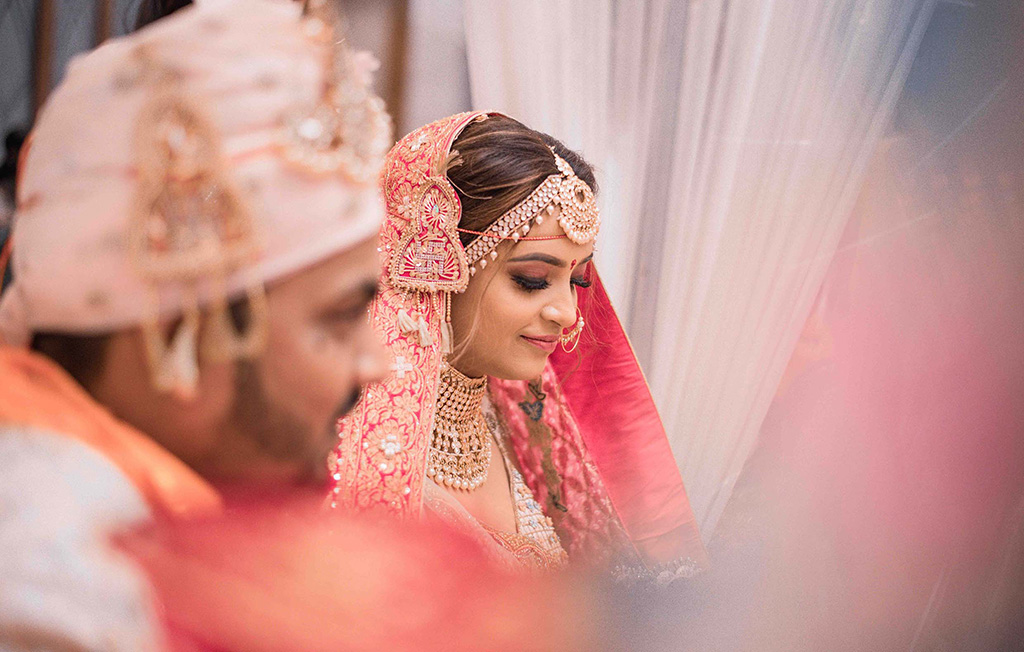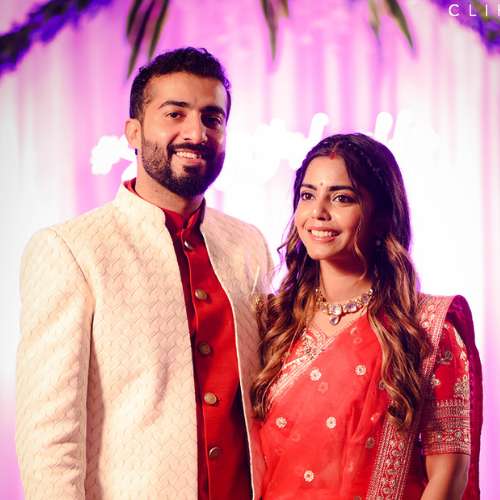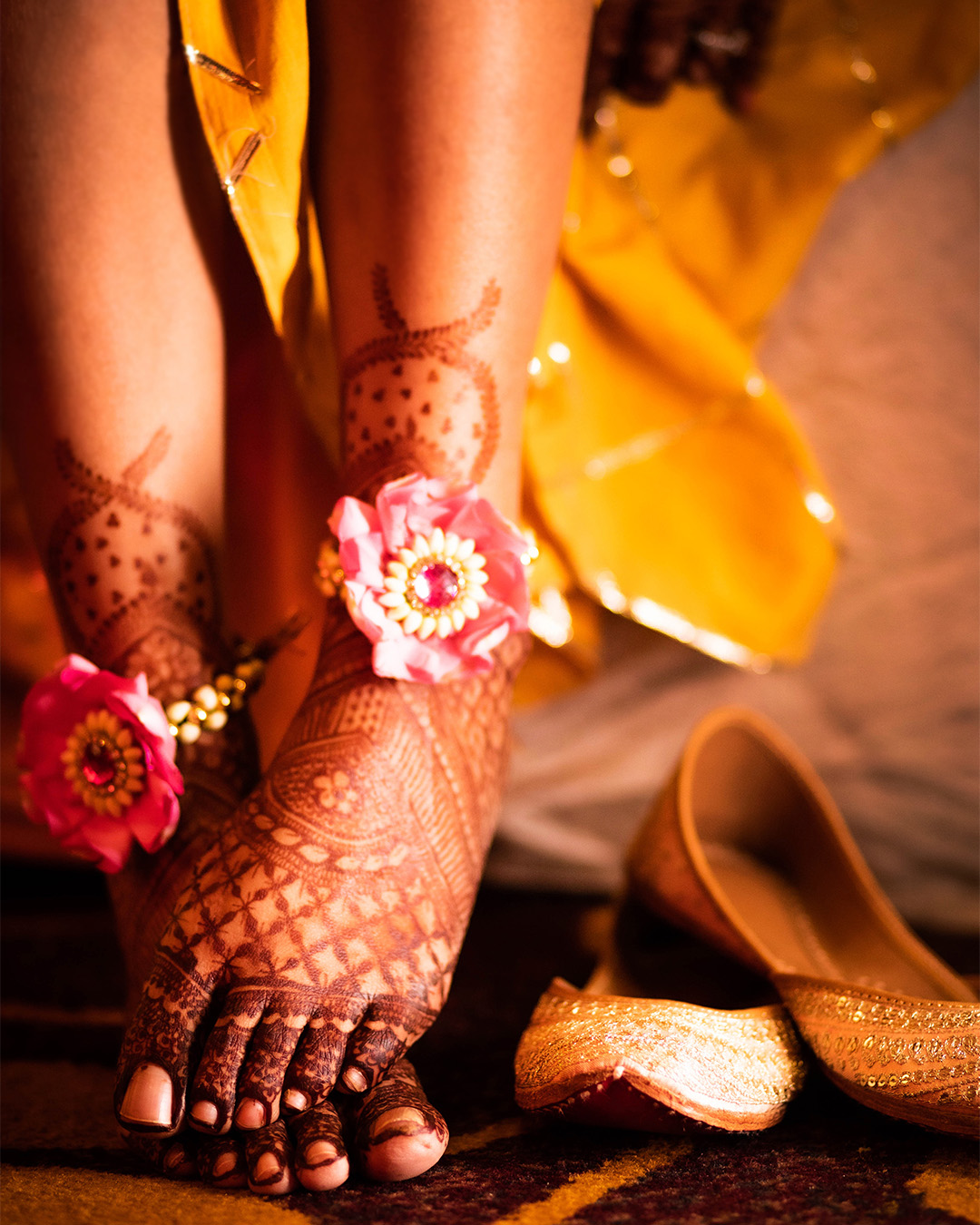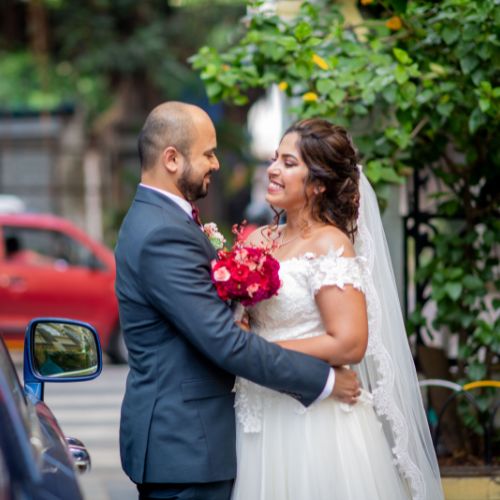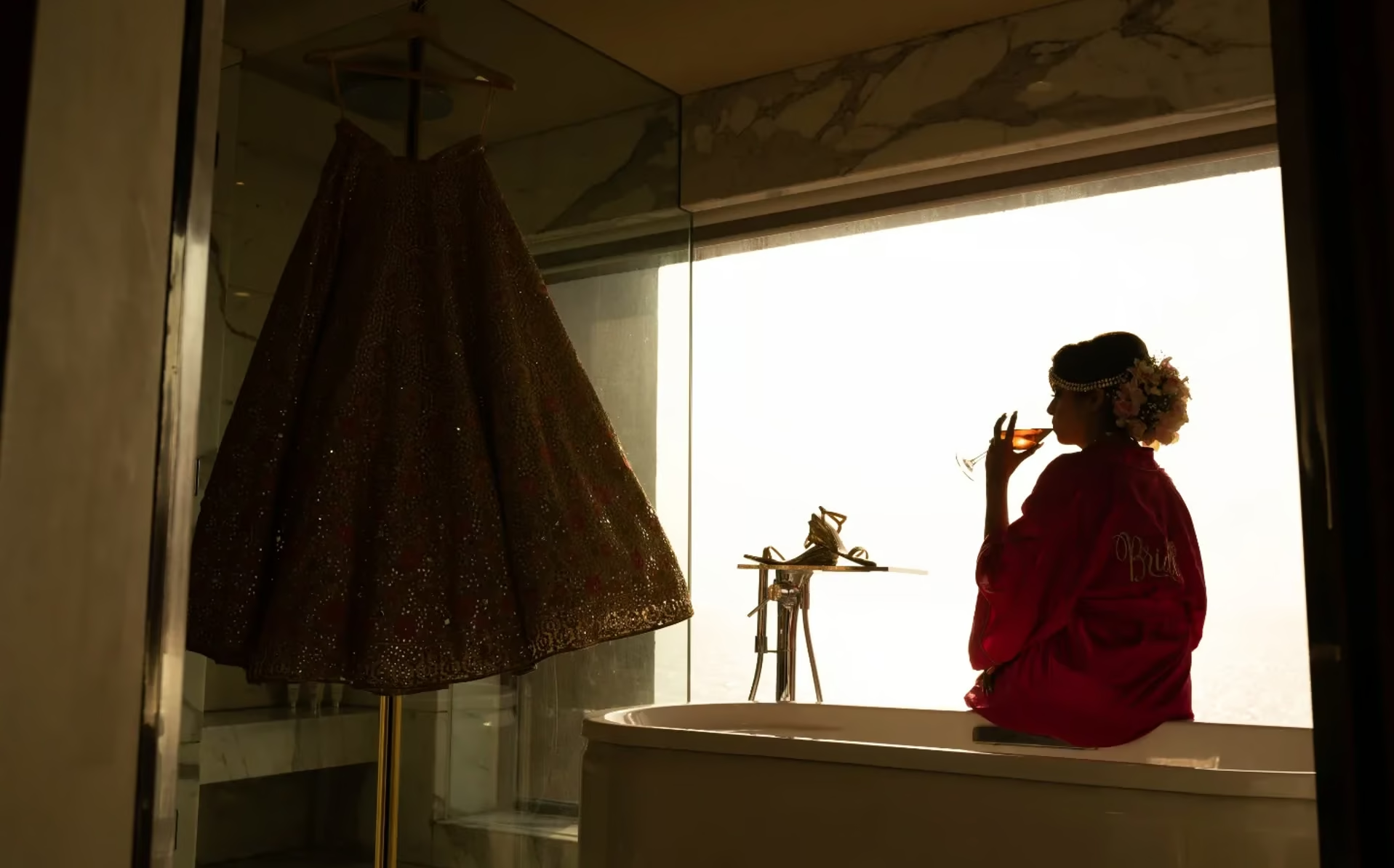
Wedding photography is more than just documenting an event; it is an art form that immortalizes the beauty, emotion, and intricacies of one of life’s most cherished moments. Each photograph tells a story, capturing fleeting glances, heartfelt tears, and jubilant laughter. A wedding day is a blend of emotions, traditions, and personal touches, and wedding photography serves as the bridge between memory and eternity.
In this essay, we delve into the artistry and significance of wedding photography, exploring how it preserves love stories for generations to come. From the preparation to the final dance, every detail holds its place in the visual narrative of a couple’s journey into married life.
The Importance of Wedding Photography
Weddings are a celebration of love and unity, a culmination of dreams and promises. While the day itself passes in the blink of an eye, the memories endure through the images captured. wedding photography allows couples to relive their special day, enabling them to experience the joy and love shared with family and friends.
- Preserving Precious Moments
The first look between a bride and groom, the proud tear of a parent, the joyful energy of the dance floor—these are moments that may go unnoticed in the whirlwind of the day. Photography freezes these fleeting instances, turning them into tangible memories. - Creating a Legacy
Wedding photos are heirlooms that families treasure for generations. They serve as a connection between past, present, and future, allowing children and grandchildren to witness the love story that began their family history. - Highlighting Personal Details
Every couple puts immense effort into planning their wedding, from the floral arrangements to the cake design. Wedding photography captures these details, ensuring no aspect of the day is forgotten.
The Art of Wedding Photography
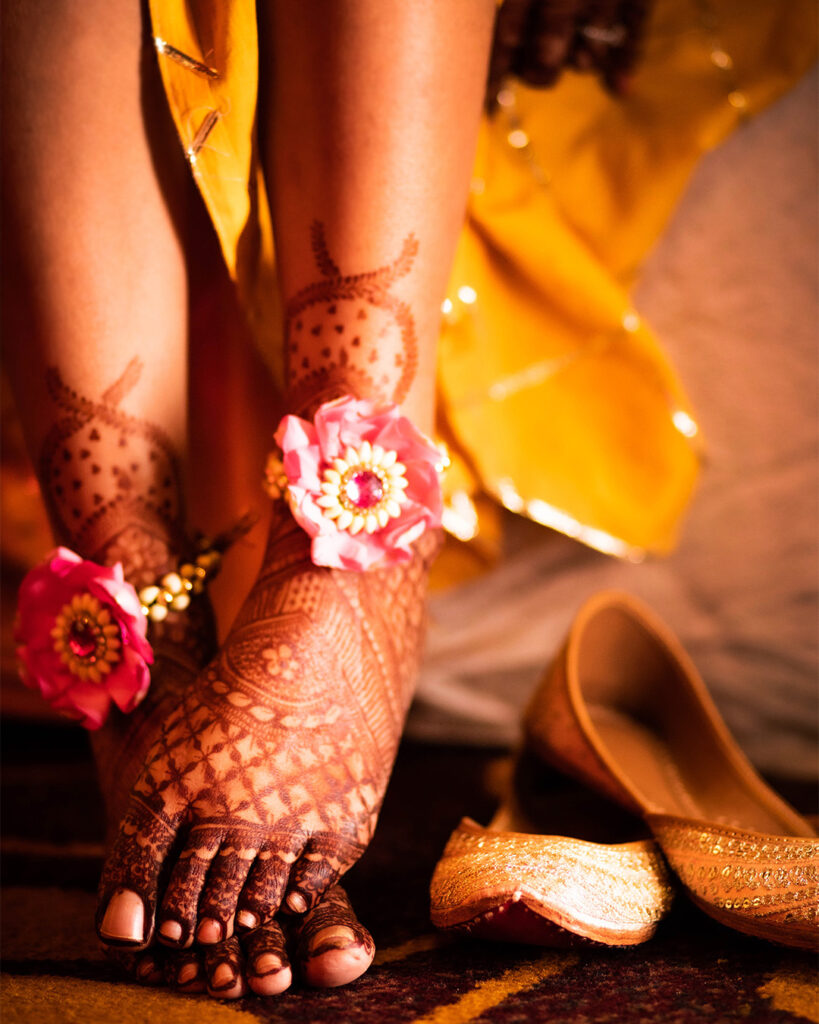
wedding photography is a delicate balance between technical skill and artistic vision. A wedding photographer must possess not only a mastery of their craft but also the ability to anticipate and capture moments that evoke emotion.
- Understanding Light and Composition
Lighting plays a pivotal role in photography. Whether it’s the golden hour glow during an outdoor ceremony or the dim romantic lighting of a reception, a skilled photographer knows how to use light to enhance the beauty of each scene. Composition, the arrangement of elements within a frame, further elevates the storytelling aspect of wedding photography. - Capturing Emotion
The essence of wedding photography lies in its ability to convey emotion. A good photographer goes beyond posed portraits, seeking out candid moments that reveal genuine feelings—nervous excitement, uncontainable joy, or quiet reflection. - Storytelling Through Images
A wedding album is not just a collection of photos but a narrative of the day. From the morning preparations to the couple’s grand exit, every image contributes to the story, ensuring it unfolds seamlessly.
Styles of Wedding Photography
Every couple is unique, and their wedding photography should reflect their personality and style. Modern wedding photography encompasses a range of styles to suit diverse preferences.
- Traditional Photography
Traditional wedding photography focuses on posed portraits, ensuring that important family and group photos are captured with clarity and formality. It emphasizes timeless, classic imagery. - Photojournalistic Style
Often referred to as documentary photography, this style is all about capturing the day as it unfolds naturally. The photographer takes a candid approach, blending into the background to document spontaneous moments. - Fine Art Photography
With an emphasis on creativity and aesthetics, fine art wedding photography transforms ordinary scenes into works of art. This style often involves unique angles, dramatic lighting, and a focus on textures and details. - Lifestyle Photography
Lifestyle wedding photography is a blend of candid and posed shots, resulting in relaxed, natural images that reflect the couple’s authentic personalities.
The Role of Technology in Modern Wedding Photography
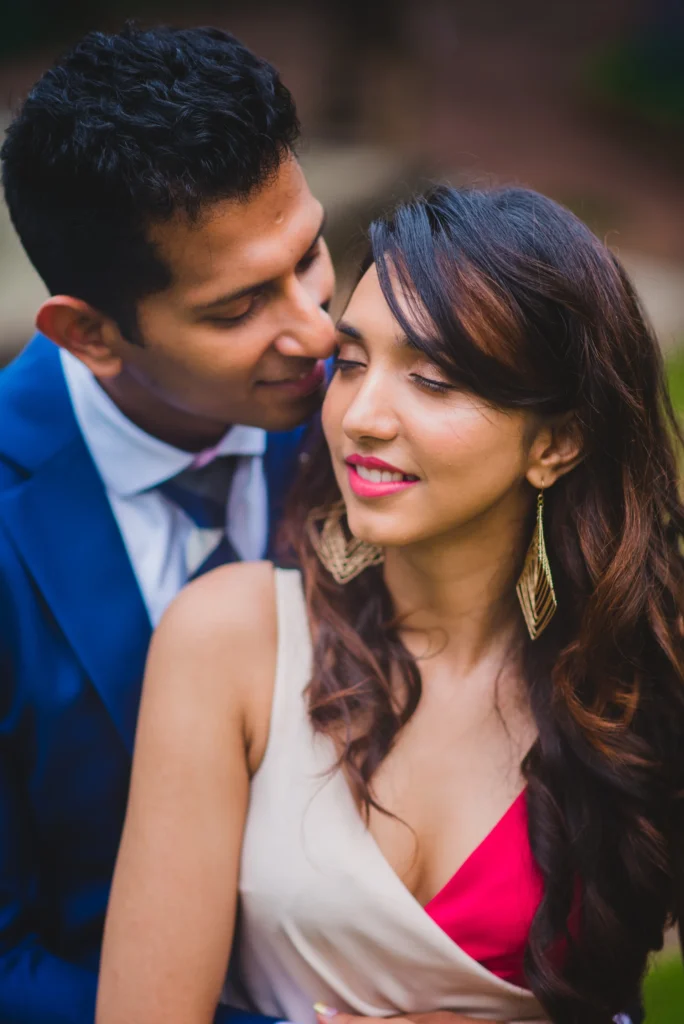
Advancements in technology have revolutionized the field of wedding photography, providing photographers with tools to enhance their craft and deliver stunning results.
- High-Resolution Cameras
Modern cameras with advanced sensors capture images with incredible detail, ensuring that every nuance of a wedding is preserved with clarity. - Drones for Aerial Shots
Drones allow photographers to capture breathtaking aerial views of venues and ceremonies, adding a cinematic element to the wedding album. - Post-Processing and Editing
Editing software enables photographers to enhance their images, adjusting colors, removing imperfections, and adding artistic effects to create a polished final product. - Sharing and Archiving
Digital platforms make it easier than ever for couples to share their wedding photos with loved ones. Online galleries and cloud storage provide a convenient way to preserve images for the future.
Challenges in Wedding Photography
wedding photography is not without its challenges. The unpredictable nature of weddings requires photographers to think on their feet and adapt to changing circumstances.
- Time Constraints
Weddings follow tight schedules, leaving little room for error. Photographers must work efficiently to ensure all key moments are captured. - Diverse Lighting Conditions
From brightly lit outdoor ceremonies to dimly lit receptions, photographers must adapt to varying lighting conditions throughout the day. - Emotional Stakes
A wedding is one of the most important days in a couple’s life, and photographers bear the responsibility of preserving it perfectly. This pressure can be both challenging and rewarding. - Interpersonal Dynamics
Balancing the expectations of the couple, their families, and guests requires excellent communication and people skills.
Tips for Choosing a Wedding Photographer
Selecting the right photographer is crucial to ensuring your wedding memories are beautifully preserved. Here are some tips for finding the perfect match:
- Review Their Portfolio
A photographer’s portfolio provides insight into their style and skill. Look for consistency, creativity, and the ability to capture emotions. - Discuss Your Vision
Communicate your preferences and expectations clearly. Whether you prefer candid shots, traditional portraits, or a mix of styles, make sure your photographer understands your vision. - Read Reviews and Testimonials
Feedback from previous clients can offer valuable insights into a photographer’s professionalism and ability to deliver on promises. - Consider Compatibility
Your photographer will be by your side throughout the day. Choose someone whose personality and approach make you feel comfortable and at ease.
Why Wedding Photography Matters
Weddings are not just ceremonies; they are stories of love, union, and celebration. Photography ensures that these stories are immortalized, allowing couples to revisit their special day whenever they desire. Here’s why wedding photography is essential:
- Creating Lasting Memories
Photographs are timeless reminders of the emotions and moments that make a wedding unique. They allow couples to relive their first dance, the exchange of vows, and even the candid laughter shared with loved ones. - Capturing Details
From the intricate lace on a wedding gown to the vibrant blooms in the bouquet, every detail is significant. Wedding photography ensures these elements are remembered, even when the day feels like a blur. - A Keepsake for Generations
Wedding albums often become family heirlooms, connecting generations through visual stories. Children and grandchildren can look back and see the love that laid the foundation for their family.
Styles of Wedding Photography
Wedding photography has evolved over the years, offering couples a variety of styles to suit their tastes and personalities.
- Traditional Photography
This classic style emphasizes posed portraits and formal group photos. It’s ideal for couples who value timeless and elegant imagery. - Photojournalistic Photography
Inspired by documentary storytelling, this style captures candid moments as they happen. It focuses on emotion and spontaneity, creating a natural and authentic narrative. - Fine Art Photography
Fine art wedding photography is characterized by its creativity and artistic approach. Using unique compositions, dramatic lighting, and attention to detail, it turns ordinary scenes into works of art. - Destination Wedding Photography
For couples getting married in exotic locations, this style combines traditional and candid techniques to highlight the beauty of the venue alongside the emotions of the day. - Contemporary or Lifestyle Photography
This style is relaxed and focuses on creating images that feel modern and fun. It’s perfect for couples who want their photos to reflect their personalities.
Key Elements of Wedding Photography
To ensure the wedding photos truly capture the essence of the day, photographers focus on several key elements:
- Preparation Shots
These include the bride and groom getting ready, the bridal gown, accessories, and the quiet moments before the ceremony. - Ceremony Moments
From the exchange of vows to the first kiss, the ceremony is the emotional heart of a wedding day. Photographers must capture these moments discreetly yet beautifully. - Couple Portraits
These intimate shots focus on the couple, highlighting their love and connection. They can be formal, candid, or a mix of both. - Family and Group Photos
These images document the couple’s loved ones, creating a visual record of everyone who shared the day with them. - Reception Highlights
The reception is often filled with energy and joy, making it a treasure trove of photographic opportunities. From speeches and toasts to the first dance, every moment is worth capturing.
The Role of the Wedding Photographer
A wedding photographer wears many hats: artist, storyteller, and event manager. Their role extends beyond simply taking pictures:
- Planning and Preparation
A professional wedding photographer will scout locations, understand the wedding timeline, and discuss expectations with the couple to ensure everything runs smoothly. - Capturing Emotion
Weddings are deeply emotional events. A skilled photographer knows how to identify and capture those fleeting, heartfelt moments. - Adapting to Challenges
From changing lighting conditions to unexpected weather, a wedding photographer must be adaptable and resourceful, ensuring every shot is perfect despite challenges. - Post-Processing
After the wedding, photographers spend hours editing and refining images, enhancing their beauty while preserving their authenticity.
Choosing the Right Wedding Photographer
Selecting the perfect wedding photographer is crucial for capturing your special day. Here are some tips:
- Review Their Portfolio
Examine their previous work to ensure their style aligns with your vision. - Schedule a Consultation
Meeting in person or virtually allows you to discuss your expectations, establish rapport, and gauge their professionalism. - Check References and Reviews
Testimonials from past clients can provide insight into a photographer’s reliability and talent. - Discuss Packages and Pricing
Understand what is included in their services, from the number of hours they’ll work to the type of deliverables they provide (e.g., albums, digital files).
Conclusion
Wedding photography is a timeless art that transcends generations. It captures not just images but the essence of love, commitment, and joy. Each photograph is a testament to the beauty of human connection, preserving moments that might otherwise be forgotten. As technology and artistry continue to evolve, wedding photography remains an indispensable part of celebrating and remembering life’s most significant milestones.
For couples embarking on their journey together, investing in skilled wedding photography ensures that their story is told with elegance and heart. Through the lens of a talented photographer, the magic of a wedding day becomes eternal—a cherished memory that lives on forever.