Introduction wedding photography
wedding photography holds a special place within the photography industry. It combines the art of storytelling with the technical precision of capturing pivotal moments that mark one of the most important days in a couple’s life. wedding photography Photographers in this field are entrusted with documenting the joy, love, and celebration of a wedding, yet they also face unique challenges. wedding photography This essay explores both the positive and negative aspects of wedding photography, providing an honest and comprehensive view of the profession.
The Positive Aspects of wedding photography
1. Documenting Love and Emotion wedding photography
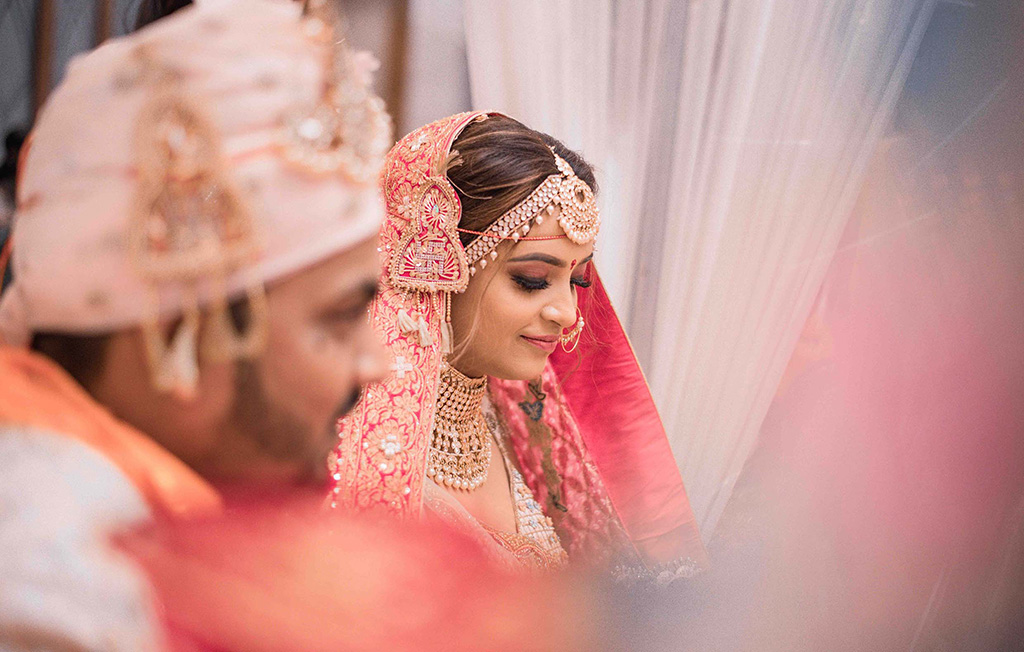
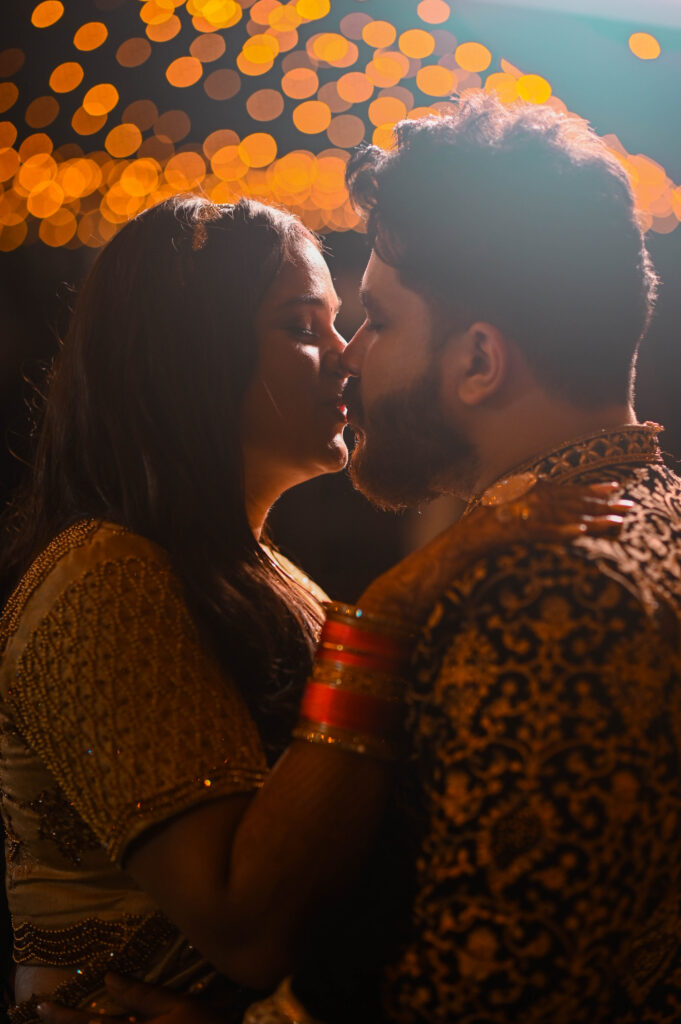
One of the greatest joys of wedding photography is the opportunity to capture genuine love, emotion, and moments of vulnerability. Wedding photographers are there to capture everything from the nervous excitement before the ceremony to the tears of joy shared during vows. Each photo tells a part of the couple’s unique love story. The ability to immortalize these moments allows photographers to feel like part of something truly special.
- Intimate Connection with Clients: Wedding photographers often form close bonds with couples. As they work together to plan shots and capture moments, photographers witness raw emotions and create memories that will last a lifetime.
- Creating Heirlooms: Wedding photos are cherished for generations, passed down as family heirlooms. Knowing that the images taken will be remembered by families for decades brings a sense of fulfillment to photographers.
2. Artistic Creativity wedding photography
Wedding photography allows for a high degree of creativity. Photographers can explore various artistic techniques, from framing and composition to lighting, editing styles, and even experimentation with angles or unique moments.
- Exploration of Different Styles: Photographers can incorporate different styles into their work—traditional, fine art, photojournalistic, and modern styles, depending on the couple’s preferences. This variety allows photographers to express their creative flair and push the boundaries of their artistry.
- New Challenges in Every Wedding: No two weddings are the same. Every event brings new opportunities to experiment with unique lighting, locations, and moods, keeping the photographer’s job fresh and exciting.
3. Financial Rewards wedding photography
Wedding photography can be a financially rewarding profession, especially for those who establish a solid reputation. Photographers can charge premium rates for weddings due to the high demand and specialized skill set required.
- Package Pricing: Many wedding photographers offer tiered pricing packages that include various services such as engagement photos, albums, prints, and additional photographers. This flexibility can help maximize earnings.
- High Demand and Repeat Business: Since weddings happen frequently, photographers who have good client relationships often find themselves with a steady stream of business, including referrals from happy couples.
4. Sense of Achievement wedding photography
The completion of a wedding shoot often gives photographers a deep sense of accomplishment. They not only captured a significant life event but also provided couples with timeless memories. Seeing the joy on their clients’ faces when they receive their photos is deeply rewarding.
- Positive Impact on Clients’ Lives: Wedding photos serve as the visual memory of the event, and the photographer’s work provides couples with lasting mementos of one of their happiest days. Knowing that your work has such a positive impact is fulfilling.
5. Social Recognition and Prestige wedding photography
For skilled wedding photographers, the industry offers opportunities for recognition and prestige. Wedding photography is often showcased on wedding blogs, social media platforms, or even in photography magazines, providing exposure.
- Building a Portfolio: Successfully capturing memorable wedding moments can enhance a photographer’s portfolio, boosting their reputation and attracting more high-profile clients.
The Negative Aspects of wedding photography
1. High Pressure and Stress wedding photography
Wedding photographers face immense pressure on the big day. Every moment counts, and there’s no room for mistakes. The responsibility of capturing once-in-a-lifetime moments can be overwhelming, particularly for photographers new to the industry.
- Fear of Missing Key Moments: With so many moments to capture, photographers might worry about missing important shots—like the first kiss, the bride walking down the aisle, or candid moments during the reception. This constant worry can cause stress and anxiety throughout the day.
- Long Working Hours: Weddings are typically long events, lasting from the early morning hours until late in the evening. Photographers often spend 10 to 12 hours working, with little time for rest or breaks. This physical and mental exhaustion can take its toll.
2. Unpredictable Elements wedding photography
A wedding is a live event with many unpredictable factors, including weather, the personalities of the guests, and last-minute changes in the schedule. Photographers must adapt quickly to these changing circumstances, which can add pressure to an already challenging day.
- Weather Conditions: For outdoor weddings, weather can be a major obstacle. Photographers often have to adjust to unexpected rain, lighting changes, or extreme temperatures, all of which can affect the quality of the photos.
- Technical Failures: A photographer’s equipment can fail at any moment. Whether it’s a malfunctioning camera, a corrupted memory card, or an unexpected flash issue, technical problems are a source of anxiety during weddings. Backup equipment is essential to ensure smooth operations, but it can still be a stressful experience.
3. Difficult Clients wedding photography
While many couples are wonderful to work with, some clients may be difficult to please. The stakes are high for wedding photographers, as couples often have specific expectations for their wedding photos. If these expectations are not met, photographers risk negative reviews or dissatisfied clients.
- Unrealistic Expectations: Some clients may have overly idealized visions of their wedding photos, which may not align with the photographer’s style or what’s possible within the given timeframe and lighting conditions. Managing these expectations can be challenging.
- Demanding Behavior: Wedding clients may expect near-perfect results with little room for error. In some cases, clients may be hard to please, even if the photographer has put in considerable effort to meet their needs.
4. Emotional Exhaustion wedding photography
As much as wedding photographers enjoy being part of a couple’s special day, the emotional weight of the job can take a toll. Wedding days are emotionally charged, and photographers often witness significant, heartfelt moments. This can lead to emotional exhaustion, especially after working multiple weddings in a short time.
- Empathy Fatigue: Constantly being exposed to emotions—whether joy, nervousness, or even tension—can lead to emotional burnout. Photographers, though often removed from the situation, can still feel the weight of these emotions after a long day of shooting.
5. Post-Production Time and Workload wedding photography
While the wedding day itself is demanding, the post-production phase is just as, if not more, time-consuming. Editing hundreds or thousands of wedding photos, selecting the best shots, adjusting lighting, color grading, and retouching images can take many hours or even days.
- Tedious Editing: The post-production process often requires meticulous attention to detail. In addition to technical editing (color correction, sharpening), many photographers also perform retouching on portraits, which can be time-consuming and require a high level of skill.
- Pressure to Deliver: Many couples expect to receive their wedding photos within a few weeks, putting pressure on photographers to complete the editing process quickly while maintaining high standards.
6. Competition and Market Saturation wedding photography
Wedding photography is a competitive industry. The increasing number of amateur photographers and budget-friendly options can create challenges for seasoned professionals who have invested in their skills, equipment, and business infrastructure.
- Price Wars: With many newcomers offering lower prices to attract clients, established photographers may find themselves forced to lower their rates to stay competitive, which can devalue the industry as a whole.
- Oversaturation of the Market: In certain areas, the sheer number of wedding photographers can make it difficult to stand out. Photographers must consistently market themselves and develop a unique selling point to secure bookings.
The Best Way to Approach wedding photography: A Comprehensive Guide
Introduction wedding photography
Wedding photography is one of the most important and cherished branches of photography. It holds the responsibility of preserving one of the most significant days in a couple’s life. A wedding photographer doesn’t just take pictures—they capture emotions, tell stories, and immortalize moments that will be cherished forever. To succeed in wedding photography, it’s essential to approach it with a combination of technical skill, artistic creativity, empathy, and attention to detail.
This essay will explore the best way to approach wedding photography, outlining the essential techniques, preparations, mindset, and business strategies that contribute to becoming an exceptional wedding photographer. From understanding the importance of pre-wedding communication to post-production processes, we will dive deep into the best practices that ensure wedding photographers deliver memorable, high-quality photographs that meet the emotional and visual expectations of the clients.
1. Preparing for the Wedding Day: Understanding the Couple’s Vision wedding photography
Pre-Wedding Consultations wedding photography
The best way to approach wedding photography begins with proper preparation before the big day. The first step is connecting with the couple during the pre-wedding consultation. These consultations are a vital part of the process, as they allow the photographer to gain insight into the couple’s preferences, style, and expectations.
- Setting Expectations: It’s crucial to have an open conversation about the couple’s vision for their wedding photos. Some couples may prefer traditional posed photos, while others may prefer a more documentary or photojournalistic approach. Understanding these preferences ensures that the photographer tailors their approach accordingly.
- Location Walkthrough: Visiting the wedding venues ahead of time can be incredibly valuable. Photographers should scout out the ceremony location, reception venue, and any other spots where photos will be taken. This helps anticipate lighting conditions, potential challenges, and creative photo opportunities. During the walkthrough, photographers can also suggest alternative shots or locations that might better capture the wedding’s atmosphere.
- Creating a Shot List: Collaborating with the couple to create a shot list is essential. While wedding photography should be spontaneous, having a list of must-have moments (like the first kiss, family portraits, or the cutting of the cake) ensures that the photographer doesn’t miss any significant moments. However, the best photographers also remain flexible enough to capture organic moments that arise throughout the day.
Understanding the Timeline wedding photography
A successful wedding photographer knows that timing is everything. Weddings can be hectic, with a packed schedule of events, so being organized is crucial.
- Reviewing the Schedule: Photographers should work with the couple to get an accurate timeline of the day. This includes knowing when the bride and groom will be getting ready, when they will be available for photos, the timing of the ceremony, the reception, and any other key moments. This allows the photographer to plan out the best moments for capturing specific events, such as the bride walking down the aisle or the first dance.
- Building Buffer Time: It’s important to leave some buffer time for unplanned events or delays. Weddings rarely go exactly according to schedule, so having extra time built into the plan ensures that the photographer doesn’t feel rushed and can capture important moments with care and precision.
2. The Wedding Day: Capturing the Moments with Precision and Creativity wedding photography
The Art of Candid Photography wedding photography
One of the best ways to approach wedding photography is to blend candid and posed shots seamlessly. Candid photography captures the natural moments and emotions that unfold throughout the day, creating a raw and honest depiction of the wedding day.
- Observing and Anticipating Moments: Great candid wedding photography is about observation and anticipation. Photographers must be aware of the emotions and interactions around them—whether it’s a bride sharing a quiet moment with her father before walking down the aisle or a guest wiping away a tear during the ceremony. These moments add authenticity to the wedding album.
- Blending into the Background: To capture candid moments, the photographer must often blend into the background. This requires the ability to be discreet, unobtrusive, and avoid drawing attention to oneself while still being ready to take the perfect shot at the right moment.
Balancing Posed and Natural Shots wedding photography
While candid shots are crucial for capturing raw emotions, posed shots are still an essential part of wedding photography. The best photographers know when to step in and guide couples for posed portraits while still maintaining a natural and relaxed feel.
- Directing Without Over-Posing: The key is to strike a balance between directing the couple and allowing them to be themselves. For example, while taking couple portraits, the photographer might guide them into a flattering position but allow them to interact naturally with each other, instead of posing them stiffly.
- Group Portraits: Family portraits are another key aspect of posed photography. The best way to approach group shots is to ensure the couple is comfortable and at ease. Group shots require organization, and it’s important for the photographer to give clear instructions to help everything run smoothly while keeping the mood light and fun.
Creative Use of Lighting wedding photography
Lighting is one of the most essential elements of photography. A wedding photographer must be able to work with different lighting conditions, both indoors and outdoors, to create flattering and dramatic images.
- Natural Light: The best photographers make use of natural light as much as possible. Soft, diffused sunlight or golden hour lighting can create stunning, ethereal images. Photographers should take advantage of outdoor settings like gardens, fields, or terraces during the golden hour, which occurs right before sunset, to create warm and romantic portraits.
- Flash Photography: Flash is often necessary when shooting indoors or in poorly lit areas. A wedding photographer must know how to use off-camera flash or bounce flash techniques to create soft, flattering light. Overexposing with harsh, direct flash can create unflattering shadows and unnatural skin tones, so it’s important to master proper flash techniques.
- Low-Light Conditions: Weddings often take place in dimly lit settings such as churches or reception halls. To get the best results, photographers should use a combination of fast lenses (lenses with a wide aperture like f/1.4 or f/2.8) and high ISO settings to allow for more light while keeping the image sharp and well-exposed.
3. Post-Production: Enhancing and Perfecting the Images wedding photography
The Importance of Editing wedding photography
Post-production is a critical part of wedding photography. After the event, the photographer’s job is far from over. Editing the images is where the magic happens. The best wedding photographers understand the importance of giving each image the attention it deserves.
- Culling the Photos: The first step in post-production is culling—going through all the photos and selecting the best ones. This involves eliminating blurry or poorly lit shots while keeping the ones that tell the most compelling and emotional stories.
- Color Grading and Enhancing: Editing is not just about fixing technical issues but also enhancing the mood and aesthetic of the photos. Many wedding photographers use color grading to give their photos a specific look, whether it’s a warm, vintage feel or a cooler, more modern aesthetic. The key is to stay consistent with the style and vision that the couple wants.
- Retouching and Refining: Photographers will often perform some degree of retouching to remove blemishes, smooth out skin, or adjust lighting and contrast. However, the best photographers know when to stop editing. Over-retouching can make the photos look unnatural, so it’s important to keep the edits subtle and in line with the couple’s natural beauty.
Creating the Wedding Album wedding photography
One of the best ways to finish a wedding photographer’s job is by creating a beautiful, tangible album for the couple. The wedding album is the physical representation of the memories, and it should tell the story of the day from beginning to end.
- Curating the Album: The photographer should select a range of images, both from key moments and intimate, candid shots, to showcase the full range of emotions from the day. The goal is to tell a visual story that flows naturally, so the couple can relive the day with each turn of the page.
- Designing the Layout: The design of the album should reflect the couple’s personalities and wedding theme. Whether it’s a classic leather-bound album or a sleek, modern design, the layout should be clean, elegant, and easy to follow, ensuring the photos are the focal point.
4. Building a wedding photography Business: Establishing a Reputation
Marketing and Branding wedding photography
For those pursuing wedding photography as a business, branding and marketing are essential. To stand out in a competitive market, photographers must create a strong brand and consistently market themselves.
- Building a Portfolio: A well-curated portfolio showcasing the best wedding work is a must. Wedding photographers should include a variety of shots, including candid moments, posed portraits, and creative lighting techniques. A portfolio should tell potential clients that the photographer is skilled in capturing every aspect of a wedding day.
- Word-of-Mouth and Referrals: Weddings are social events, and word-of-mouth can be a powerful marketing tool. Happy clients will refer friends and family, helping the photographer build a network of clients. Photographers can also network with other vendors, such as florists, wedding planners, and venues, to generate more referrals.
- Social Media: In today’s digital age, social media is an essential tool for wedding photographers. Platforms like Instagram and Pinterest are visual-centric, making them ideal for showcasing wedding photography. Regularly posting stunning images, behind-the-scenes shots, and client testimonials helps attract potential clients and build a strong online presence.
Client Relations and Communication wedding photography
Maintaining positive relationships with clients is vital for building a successful wedding photography business.
- Clear Communication: Keeping open lines of communication with clients from the initial consultation to the delivery of the final product helps set expectations and prevent misunderstandings. Responding promptly to inquiries and offering guidance throughout the process ensures a smooth experience for the couple.
- Professionalism: The best wedding photographers conduct themselves with professionalism at all times. From arriving on time to dressing appropriately for the occasion, professionalism helps foster trust and confidence in clients. Being dependable and courteous will help create positive reviews and referrals.
The Best Aspects of wedding photography: A Journey Through Creativity, Emotion, and Legacy
Introduction wedding photography
Wedding photography is a unique and cherished genre of photography that requires a combination of technical skill, creativity, and emotional intelligence. It’s a form of art that allows a photographer to capture one of the most important moments in a couple’s life and preserve it for generations to come. This essay explores the best aspects of wedding photography, including the emotional fulfillment, the creative freedom, the opportunities for professional growth, and the personal satisfaction of capturing moments that will last a lifetime.
1. Capturing Life’s Most Precious Moments wedding photography
Emotional Connection with Clients wedding photography
One of the best aspects of wedding photography is the opportunity to capture the most intimate and emotional moments in a couple’s life. A wedding day is filled with joy, anticipation, love, and sometimes even tears. Wedding photographers are entrusted with the task of immortalizing these emotions through photographs that will be cherished forever.
- Personal Connection: Wedding photographers form deep connections with their clients. The bond established during the pre-wedding consultations, engagement sessions, and the big day itself creates a level of trust. Photographers often become a part of the couple’s journey, documenting not just the wedding day but the love story that led to it.
- Emotional Fulfillment: Watching a couple exchange vows, witnessing moments of joy during the first dance, or capturing the tears in the bride’s eyes as she walks down the aisle can be incredibly fulfilling. The emotional connection felt during these moments elevates wedding photography beyond just a job—it becomes a way to preserve timeless emotions.
- Legacy of Memories: The photographs from a wedding are meant to last a lifetime and beyond. These images are passed down through generations, and the photographer becomes a part of a couple’s family history, ensuring that their love story is captured for future generations.
Storytelling Through Images wedding photography
Every wedding tells a unique story, and wedding photographers have the responsibility to tell that story in the most beautiful and authentic way possible. The ability to create a visual narrative that conveys the couple’s emotions, the atmosphere of the venue, and the overall theme of the wedding is one of the most rewarding aspects of the profession.
- Candid Moments: In addition to posed portraits, wedding photographers are able to capture candid moments throughout the day. These natural, unposed moments—such as a tearful glance between the couple, an unexpected smile from the groom, or a child’s joyful dance—make the final album feel personal and unique to the couple.
- Composing the Story: The photographer’s ability to piece together a cohesive story through their images is what sets great wedding photographers apart. From the preparation in the morning to the last dance at night, the photographer guides the narrative and ensures that each photograph contributes to the overall story of the day.

2. Artistic and Creative Freedom wedding photography
Opportunity for Creativity wedding photography
Wedding photography provides a unique space for creative expression. Photographers are given the freedom to experiment with different styles, techniques, and perspectives. Whether using natural light, creative composition, or artistic editing, wedding photography allows photographers to express their artistic vision while capturing real moments.
- Diverse Styles of Photography: Photographers can tailor their approach to match the style of the couple. Whether it’s a traditional, photojournalistic, fine art, or modern style, wedding photography offers the opportunity to experiment and develop a personal style that resonates with clients.
- Creative Challenges: Weddings are fast-paced and dynamic, and this presents unique creative challenges. A photographer might have to work quickly to find the best angles, deal with changing lighting, or incorporate creative props or locations. The challenge of creating beautiful images within the constraints of a wedding day adds excitement and fulfillment to the profession.
- Customization and Personalization: Each wedding is different, and photographers can personalize their approach based on the couple’s preferences. Whether it’s the location, the colors, the attire, or the emotions involved, wedding photography allows photographers to infuse their personal touch into each set of images.
Variety of Shots and Settings wedding photography
Wedding photography is highly dynamic in terms of location and subjects. Each wedding presents different environments, challenges, and opportunities, making it a versatile and exciting genre of photography.
- Indoor and Outdoor Opportunities: A wedding could take place in a church, a garden, a beach, or an upscale ballroom. This variety allows photographers to explore different types of lighting, backdrops, and textures, ensuring that no two weddings are the same.
- Event Dynamics: The wedding day includes a range of events, each with its own photographic challenges. The ceremony, the reception, the speeches, and the dances all offer different photographic opportunities. From close-up shots of rings to wide-angle shots of the entire wedding party, photographers get to capture a wide range of subjects, providing endless variety.
3. Building Long-Term Relationships and Client Satisfaction wedding photography
Long-Term Client Relationships wedding photography
Wedding photographers often work with clients for extended periods before and after the wedding day, making it an ideal profession for building lasting relationships. Many wedding photographers also photograph engagement sessions, which gives them an opportunity to build rapport with the couple before the big day.
- Repeat Business: Wedding photographers often receive referrals from happy couples who recommend them to friends and family. As clients’ families grow, they may return for maternity, newborn, or family portrait sessions, leading to a long-term relationship with clients beyond the wedding.
- Trust and Reliability: Couples trust wedding photographers with some of the most significant moments of their lives. The relationship built on trust, professionalism, and communication is one of the most rewarding aspects of the profession. Many photographers receive messages from clients years later, expressing how meaningful the photos are to them.
Client Satisfaction and Impact wedding photography
The impact a wedding photographer has on their clients is profound. The photos taken on the wedding day become treasured memories, and a photographer’s work is often praised for its emotional depth and beauty.
- Transformative Experience: The satisfaction of knowing that your work has had a positive impact on a couple’s memories is priceless. Wedding photographers witness firsthand how meaningful their images are to their clients, as these photos serve as lasting mementos of one of the most important days of their lives.
- Making Dreams Come True: Many couples dream of having a perfect wedding day. Wedding photographers have the power to help make these dreams a reality by capturing moments in a way that exceeds expectations. Seeing the joy and gratitude in clients’ reactions to their wedding albums is one of the greatest rewards.
4. Financial Stability and Professional Growth wedding photography
Monetary Rewards wedding photography
Wedding photography can be a financially rewarding profession. Skilled photographers who have developed a strong portfolio can charge premium rates for their services. Wedding photography is considered one of the higher-paying niches in the photography industry, especially for experienced photographers with a solid reputation.
- High-Paying Packages: Many wedding photographers offer different packages, which can include engagement sessions, albums, prints, and additional hours of coverage. These packages allow photographers to maximize their earnings and provide flexibility to clients.
- Stable Demand: Weddings take place year-round, which ensures that photographers have a steady stream of business. As couples continue to prioritize high-quality photography for their wedding day, wedding photographers can maintain a reliable income.
Opportunities for Growth wedding photography
Wedding photography offers numerous opportunities for professional growth. As photographers gain experience, they can expand their services and specialize in particular aspects of the industry.
- Expanding Services: Some photographers expand their business by offering videography, photo booths, or destination wedding services. These additional services can increase their earning potential and diversify their portfolio.
- Building a Reputation: With dedication and a consistent body of work, photographers can become well-known in the wedding industry. This reputation can lead to more bookings, collaborations, and recognition through industry awards or publications.
5. Personal Satisfaction and Legacy wedding photography
Sense of Accomplishment wedding photography
Wedding photography brings personal satisfaction not just from the work itself but from knowing the lasting impact it has on clients. The photographs taken become part of the couple’s legacy, and the photographer plays a key role in preserving that legacy.
- Memories for Generations: Wedding photos are cherished by future generations. Couples’ children, grandchildren, and even great-grandchildren may one day look at these photographs, keeping the love story alive for years to come. Being the person who documents such moments is both an honor and a rewarding responsibility.
- Artistic Legacy: Many photographers take pride in the artistic legacy they leave behind through their photos. A well-curated wedding album is not just a collection of images, but a work of art that embodies the creativity and vision of the photographer.
Final Thoughts on the Best Aspects of wedding photography
The best aspects of wedding photography revolve around the emotional fulfillment of capturing love and life-changing moments, the creative freedom to experiment with different styles and techniques, and the long-term relationships photographers build with their clients. The financial rewards, along with the opportunities for professional growth, also make it a highly attractive career for those with a passion for photography. Most importantly, wedding photography offers the satisfaction of knowing that your work has preserved memories that will last a lifetime, creating a legacy of love and emotion for future generations.

Conclusion wedding photography
wedding photography is much more than just taking pictures. It’s about capturing emotions, telling a love story, and creating lasting memories for couples to cherish for the rest of their lives. The best way to approach wedding photography combines technical expertise, creative vision, and strong interpersonal skills. From pre-wedding consultations and timeline planning to shooting with sensitivity to lighting and emotions, and finally, editing and delivering high-quality images, each step of the process is critical to providing couples with a beautiful and meaningful representation of their special day.
By understanding the importance of preparation, developing a keen eye for both candid and posed shots, using lighting creatively, mastering post-production techniques, and building a solid business foundation, wedding photographers can achieve success and satisfaction in this highly rewarding field.
wedding photography, like any profession, comes with both rewards and challenges. The positive aspects—such as the opportunity to document love, the artistic freedom, the financial rewards, and the emotional fulfillment of creating timeless memories—make it a deeply satisfying career for many photographers. However, it is not without its negative aspects. The pressure to perform perfectly, unpredictable challenges, difficult clients, long working hours, and the emotionally demanding nature of the job can take a toll on those who pursue it.
Ultimately, wedding photography is about balance. Photographers must be prepared for both the joys and stresses that come with the profession. By understanding the positive and negative aspects, aspiring wedding photographers can better equip themselves for the demands of the job, while also appreciating the unique and meaningful role they play in capturing one of the most significant days in a couple’s life.