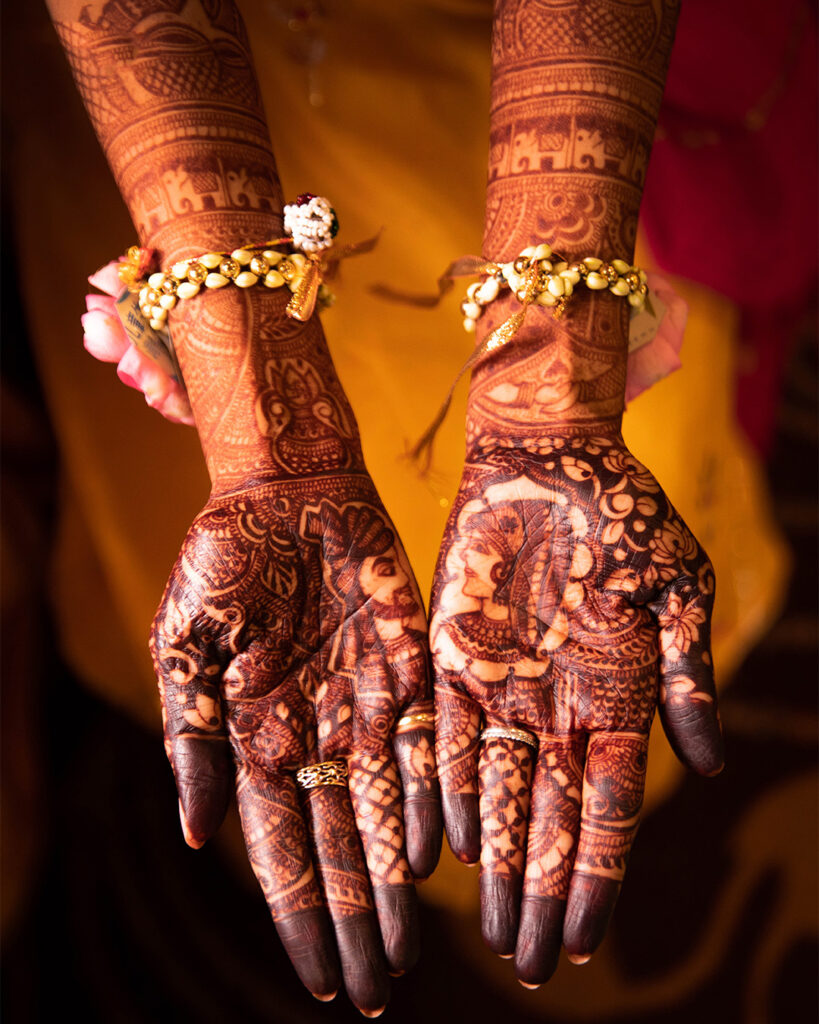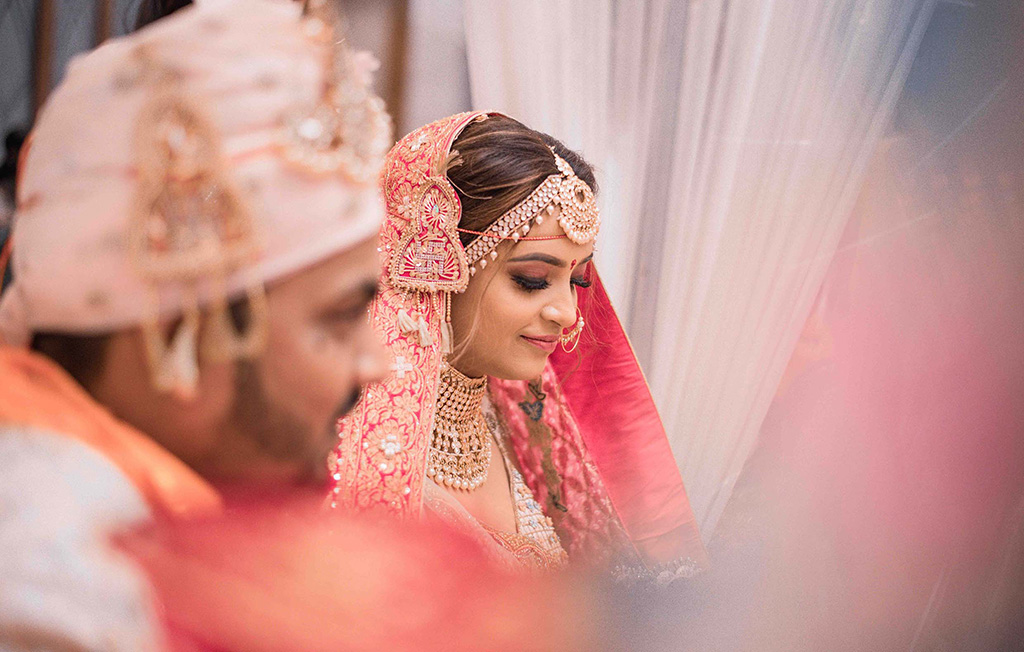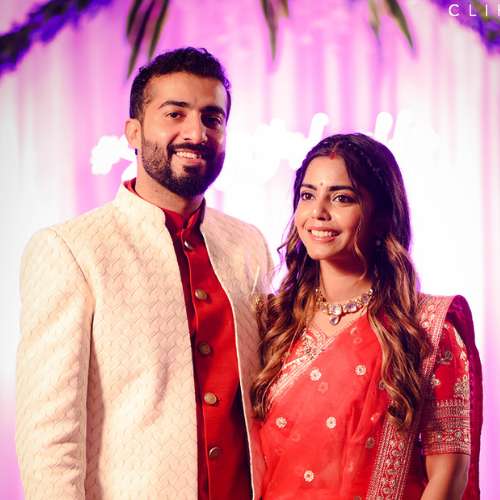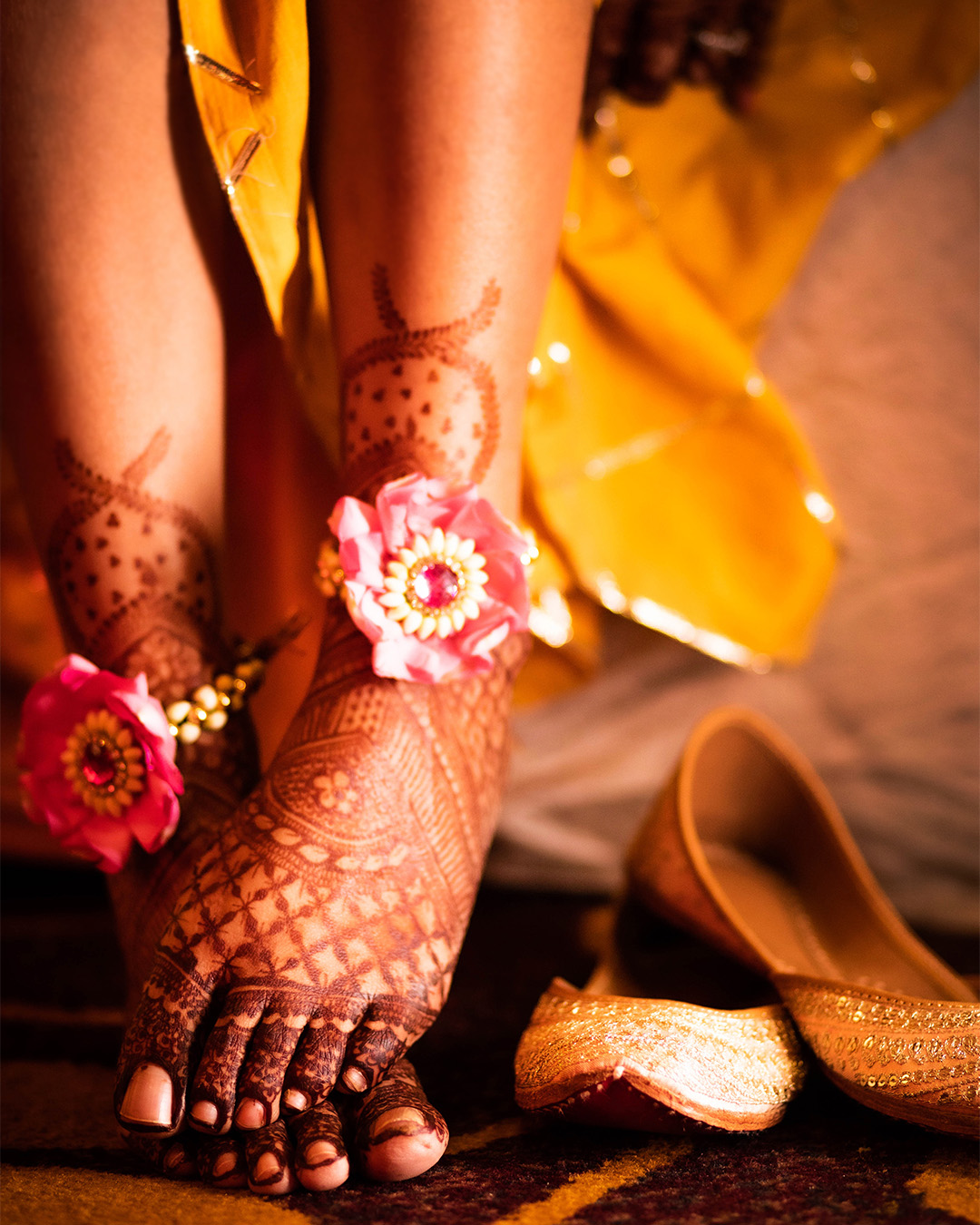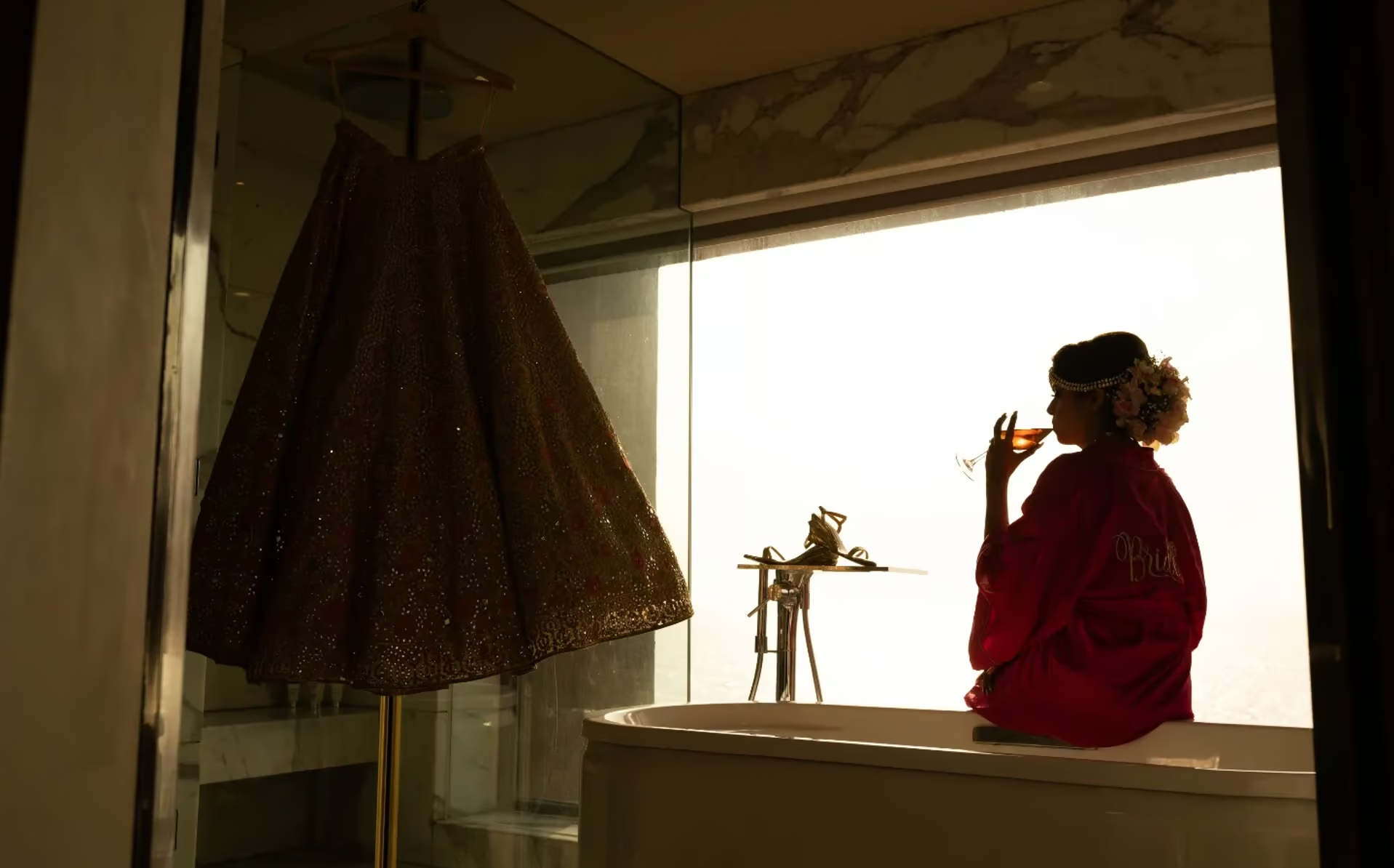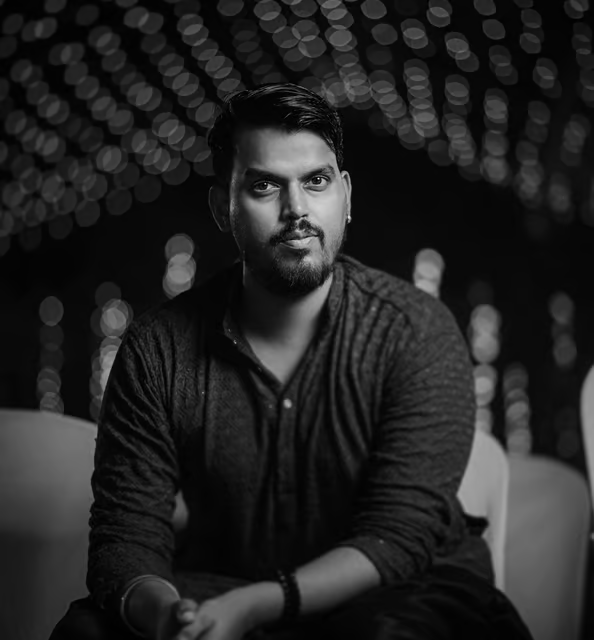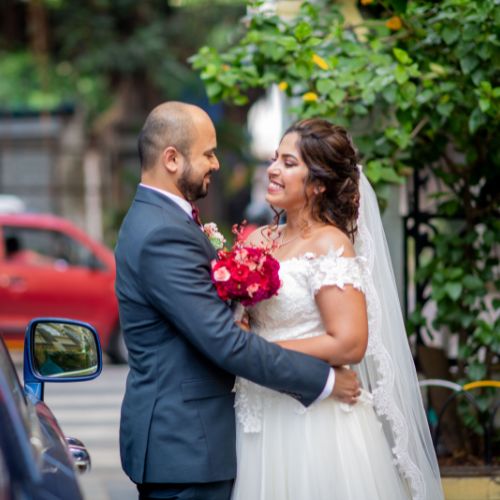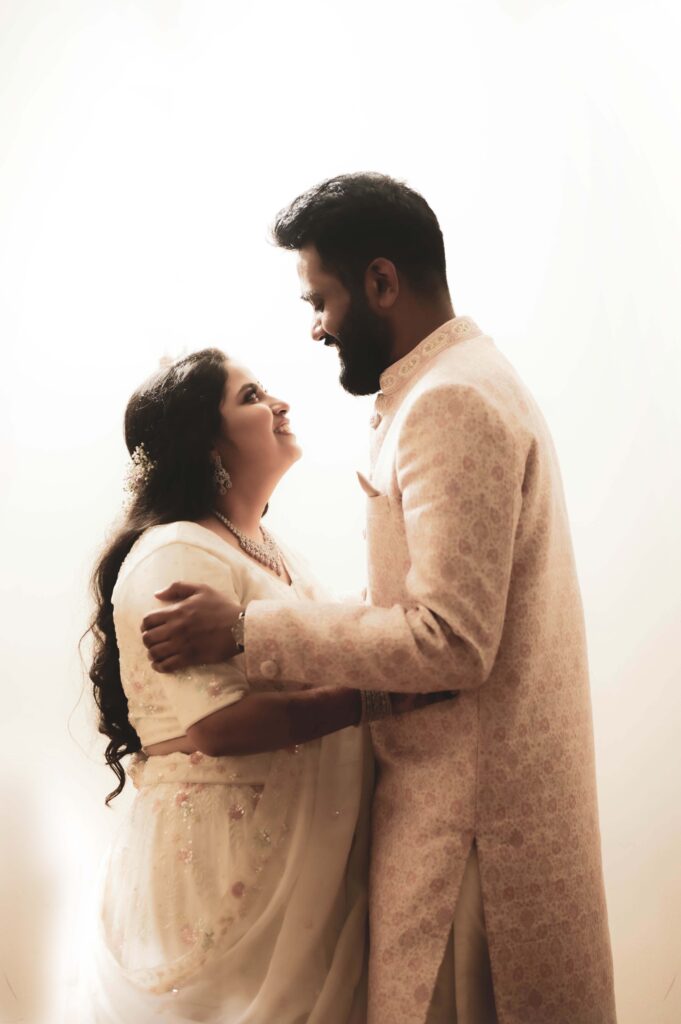
A wedding photography primary responsibility is to capture all the precious moments of the wedding day. From the couple’s preparations, to the ceremony, to the reception, the photographer’s job is to document the story in the most meaningful and creative way possible. These moments include the bride walking down the aisle, the first kiss, the laughter during speeches, the quiet moments between the couple, and the joy of family and friends celebrating the union.
Moreover, a wedding photography is also tasked with understanding the personalities and preferences of the couple. Every couple is unique, and so should be their wedding photos. This understanding helps a wedding photographer make choices on the style, composition, and overall feel of the photographs. The photographer must also anticipate the natural flow of events and be in the right place at the right time to capture those fleeting moments.
2. Qualities of a Good Wedding Photographer
While anyone can pick up a camera and take pictures, capturing the essence of a wedding requires specific qualities. Below are some essential qualities that make a good wedding photographer:
A. Creativity
A good wedding photographer is a creative individual with a keen eye for detail and composition. Creativity allows the photographer to turn an ordinary moment into an extraordinary one. Whether it’s finding a unique angle, playing with lighting, or capturing the joy in a candid moment, creativity helps make the photos stand out and tells a compelling story.
B. Attention to Detail
Weddings are full of tiny details—ribbons, flowers, rings, the bride’s dress, and many other elements that contribute to the overall atmosphere of the day. A skilled photographer will notice and capture these details, helping to document the full scope of the event, not just the key moments. This attention to detail adds depth to the wedding album, making it feel complete and rich with memories.
C. Technical Skill
Wedding photography requires significant technical knowledge. A good photographer must be comfortable with their camera equipment, lighting, and editing software. They should be able to shoot in various lighting conditions, from bright outdoor ceremonies to dimly lit receptions, while maintaining the quality of the image. Understanding aperture, shutter speed, and ISO, and how to adjust them on the fly, is crucial for successful wedding photography.
D. Ability to Blend In
A wedding photographer should be able to capture natural, candid moments without being intrusive. A great wedding photographer blends into the background, allowing moments to unfold organically while still being ready to capture them. This ability to be discreet is essential for documenting the most authentic and emotional moments.
E. Good Communication Skills
From the initial consultation to the final delivery of the photos, communication is key. A wedding photographer needs to understand the couple’s expectations and preferences. Good communication also ensures that the photographer and the couple are aligned on the timeline, the must-have shots, and the photographer’s role during key moments.
F. Patience and Professionalism
Weddings can be stressful and full of unexpected situations. A wedding photographer needs to remain calm under pressure and adapt to changes in the schedule or unforeseen challenges. Patience is also vital when dealing with large groups of people during family portraits or navigating tight schedules.
3. Styles of wedding photography
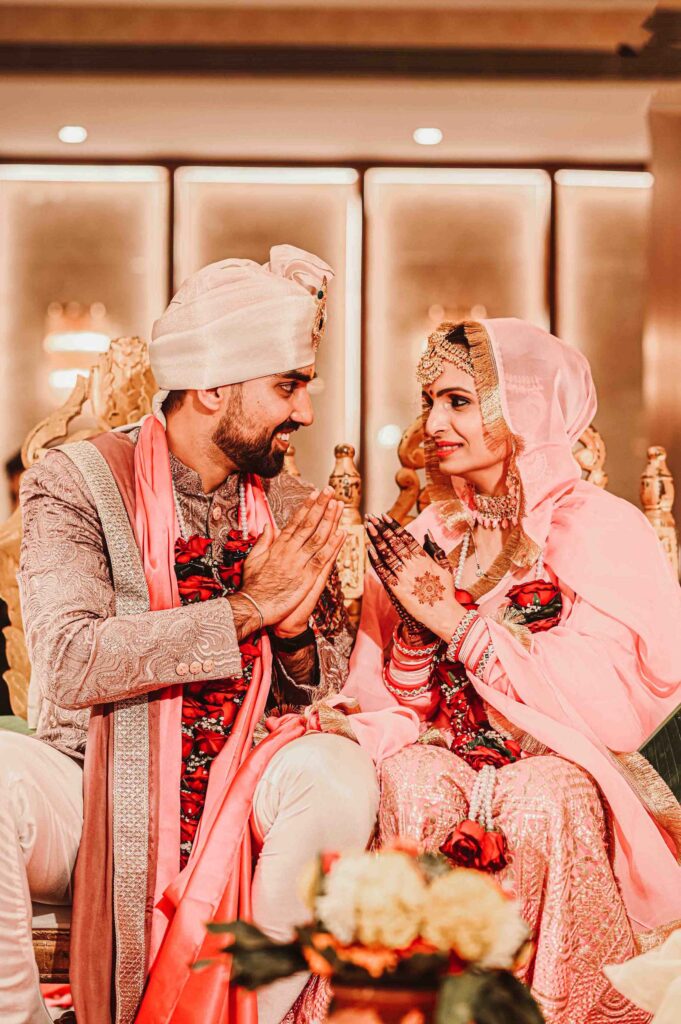
Wedding photographers may specialize in various photography styles, each offering a different look and feel. Here are some of the most popular wedding photography styles:
A. Traditional or Classic Style
The traditional style is formal, structured, and typically involves posed shots. Photographers who specialize in this style often direct the couple and their guests to pose in specific ways, ensuring that key moments—like the exchange of vows, the first kiss, and family group shots—are captured in a precise and elegant manner. This style focuses on timeless, classic images that are often very polished and formal.
B. Photojournalistic or Documentary Style
Photojournalistic wedding photography is about capturing the day as it happens, with minimal intervention. It focuses on candid moments, natural emotions, and spontaneous events that unfold throughout the day. The goal of this style is to tell a complete story through images, showing the raw emotion and real moments of the day. Couples who choose this style often appreciate the authenticity and documentary-like approach.
C. Fine Art Style
Fine art wedding photography is more artistic and creative. Photographers using this style often focus on aesthetics, such as lighting, texture, and composition. The photos have a more polished, ethereal quality, and may feature soft, dreamy tones or unique compositions. Fine art photographers may take more time in setting up shots to create visually stunning images.
D. Lifestyle Style
Lifestyle wedding photography combines elements of photojournalism and portraiture. The photographer aims to capture natural moments while still staging some shots. The focus is on genuine interactions and the couple’s personality, but it often involves some guidance in terms of posing or positioning. The images are typically less formal than traditional photos but more curated than purely candid shots.
E. Editorial Style
Editorial wedding photography is inspired by fashion magazines and often features highly stylized and posed shots. These photographers are known for creating images that are visually dramatic, focusing on details like clothing, makeup, and overall aesthetic. Editorial photographers often work with stylists and makeup artists to create a polished, magazine-worthy look.
4. Essential Equipment for wedding photography
Wedding photographers rely on an array of specialized equipment to ensure they capture high-quality images under various lighting and environmental conditions. Here are some key items of equipment that are essential for wedding photography:
A. Cameras
Most professional wedding photographers use high-quality DSLR or mirrorless cameras. These cameras have large sensors, fast autofocus, and high-resolution capabilities, allowing for sharp images even in low light. Many photographers carry two or more cameras—one with a wide-angle lens for group shots and another with a zoom lens for close-ups or candid moments.
B. Lenses
Lenses play a significant role in wedding photography. Common lenses include:
- 50mm f/1.4 or f/1.8: A versatile lens for portraits and low-light situations.
- 24-70mm f/2.8: A standard zoom lens that covers a range of focal lengths, ideal for portraits and wide shots.
- 70-200mm f/2.8: A telephoto lens for capturing candid moments from a distance without intruding on the scene.
C. Lighting Equipment
While natural light is often preferred, artificial lighting may be necessary for indoor venues or evening receptions. Professional wedding photographers use a combination of on-camera and off-camera flash, along with softboxes or diffusers to soften the light and avoid harsh shadows.
D. Memory Cards
Wedding photographers often shoot hundreds or even thousands of photos during the course of a wedding. High-capacity memory cards are essential, and multiple cards are needed to ensure that images are backed up throughout the day.
E. Tripod and Gimbals
A tripod is helpful for capturing stable long-exposure shots or group photos, while a gimbal is useful for smooth video footage if the photographer also films the event.
5. Editing and Post-Processing
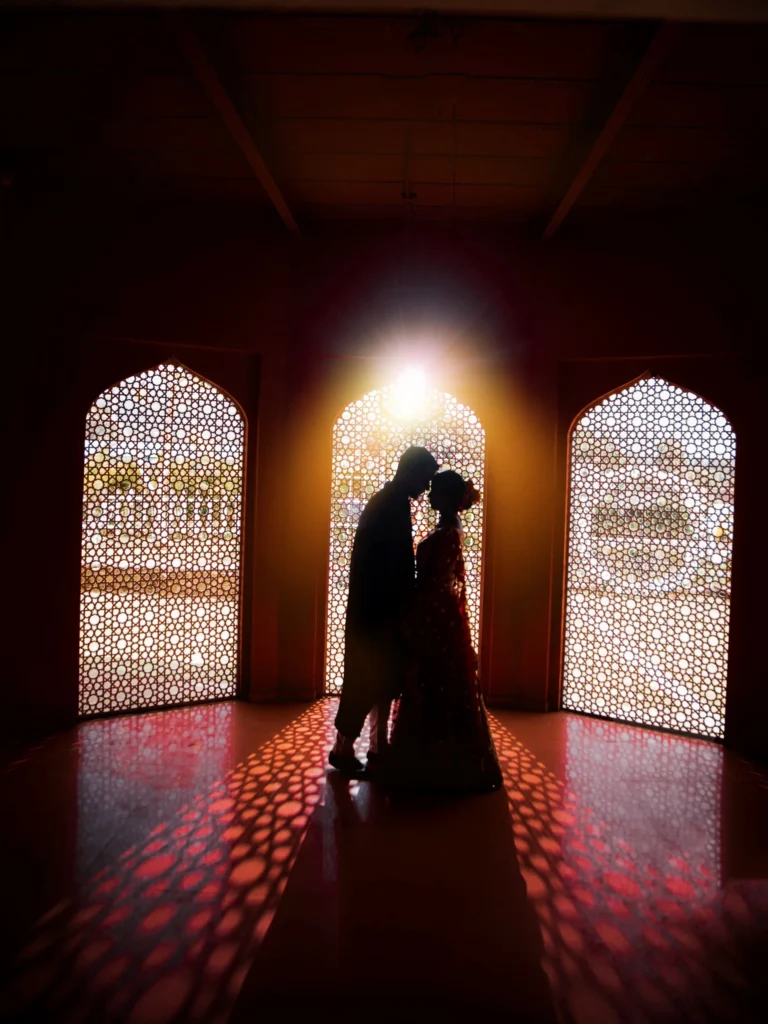
Post-processing is a vital part of wedding photography. After the wedding, photographers spend hours editing the images to enhance colors, adjust lighting, and create a cohesive look. The editing process may include:
- Color correction: Adjusting the white balance and saturation to make the colors more vibrant and accurate.
- Retouching: Removing blemishes or distracting elements from the background.
- Sharpening and cropping: Ensuring the images are crisp and properly framed.
Professional wedding photographers will also typically offer a wedding album, either in a physical or digital format. The final album is a curated collection of the best photos that tells the story of the wedding day.
6. How to Choose the Right Wedding Photographer
Choosing the right wedding photographer is one of the most important decisions a couple will make. Here are some tips for selecting a photographer:
A. Review Portfolios
Look through the photographer’s portfolio to understand their style, approach, and the quality of their work. Make sure their style aligns with your vision for your wedding photos.
B. Check Reviews and Testimonials
Read reviews from past clients to get a sense of the photographer’s professionalism, reliability, and ability to deliver the photos on time.
C. Set Up a Consultation
Meet with the photographer in person (or virtually) to discuss your expectations, preferences, and any specific requests. This is also a chance to get a feel for their personality and ensure you’re comfortable working with them.
D. Consider Experience and Equipment
Ensure the photographer has experience shooting weddings and is equipped with the necessary gear for various lighting conditions and settings.
7. Tips for Couples on Wedding Day Photography
To ensure your wedding photos are as beautiful as possible, here are some tips:
- Plan Ahead: Work with your photographer to create a shot list and wedding timeline.
- Relax and Be Yourself: Trust your photographer to guide you, but also allow natural moments to unfold.
- Allow Time for Portraits: Schedule