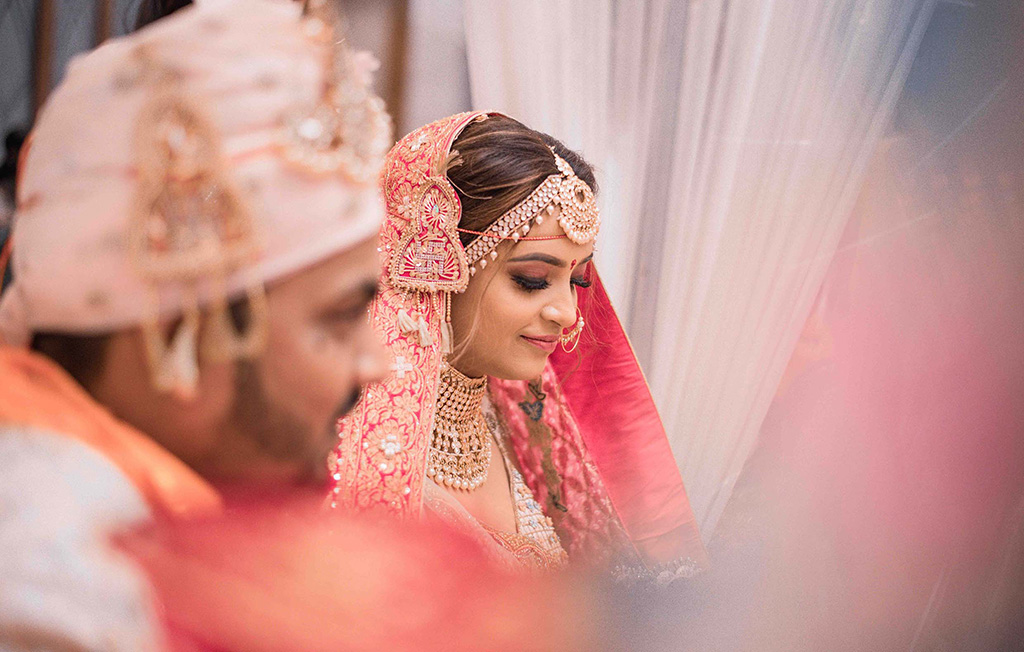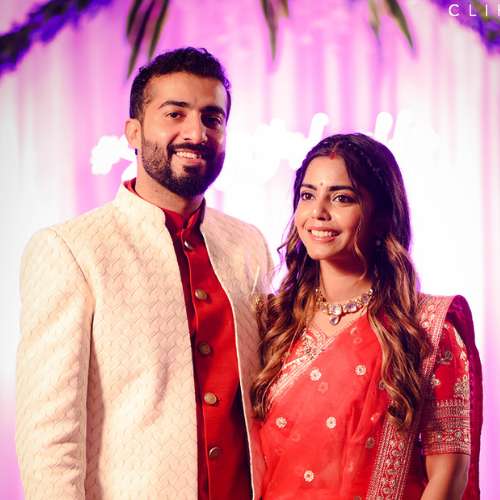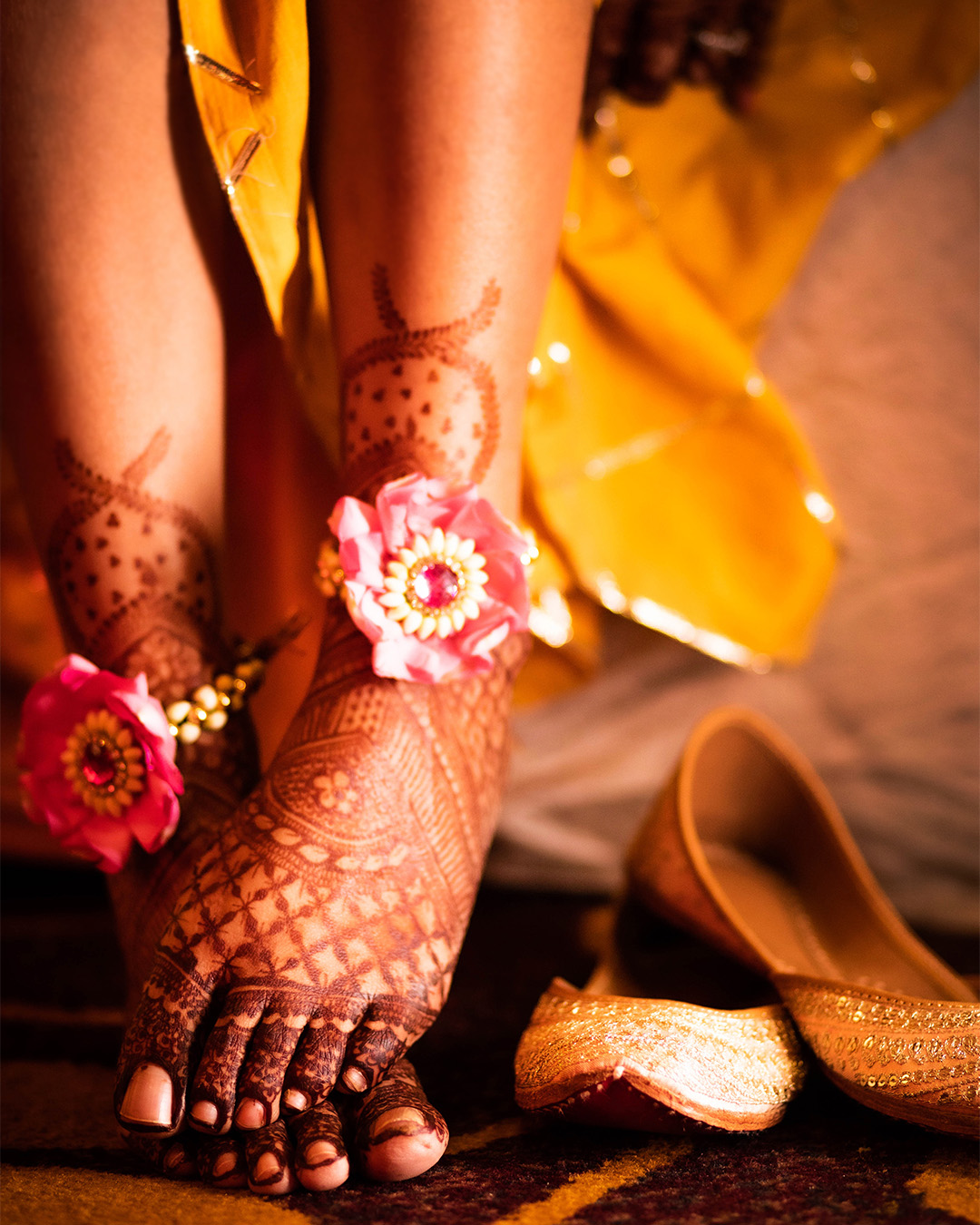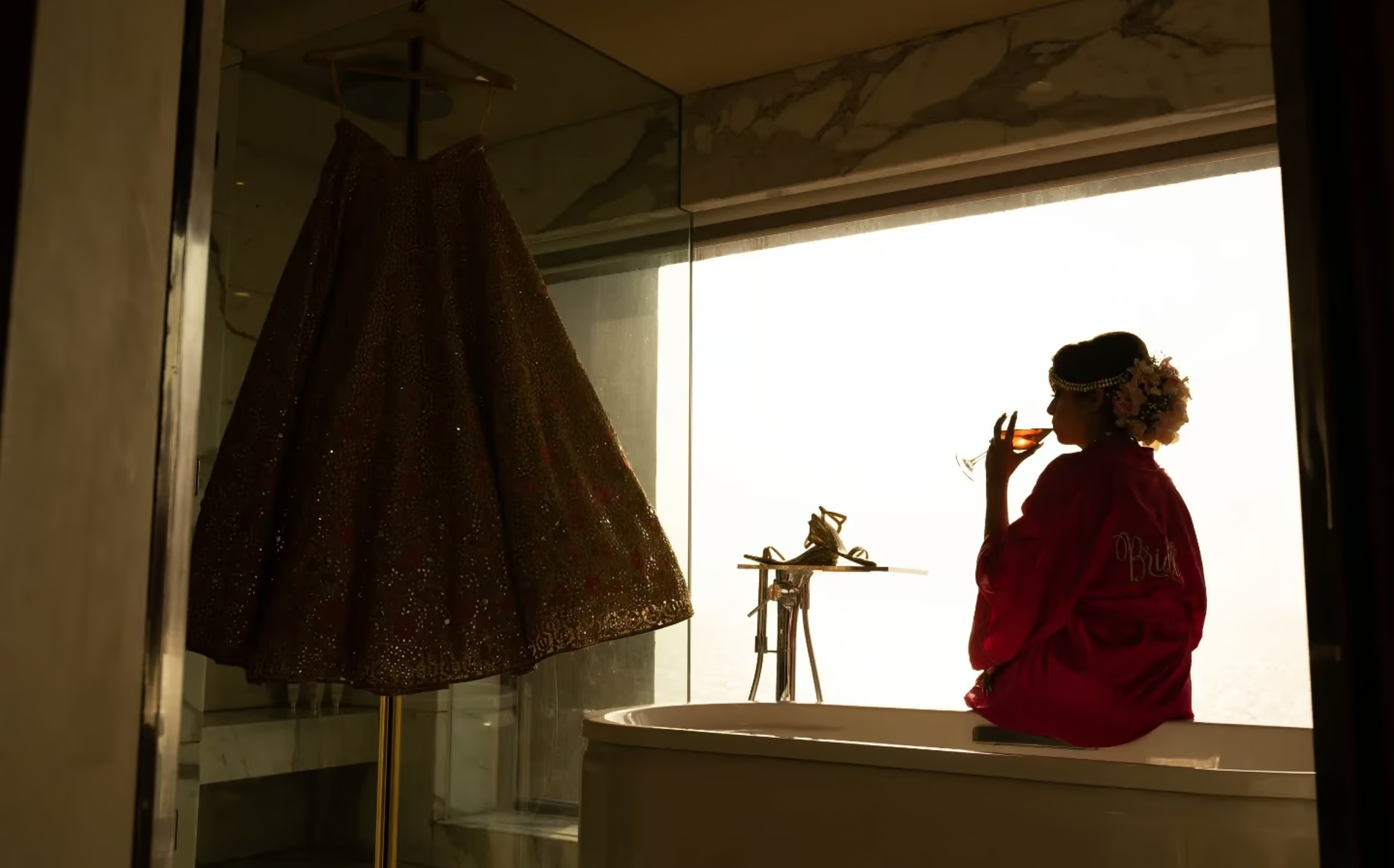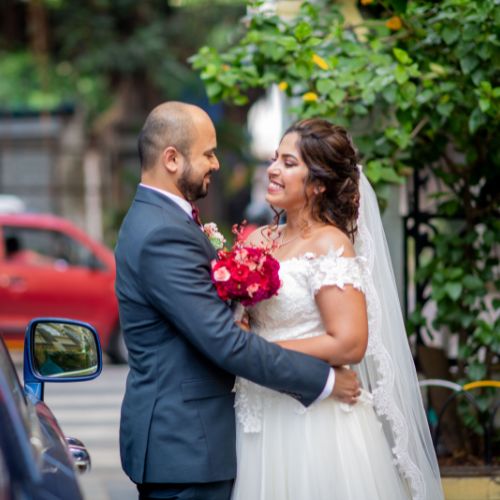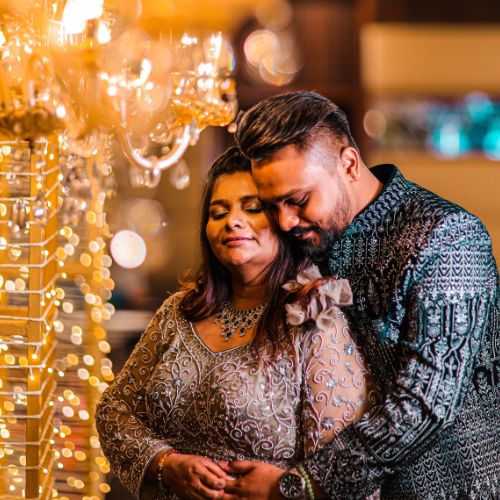
Traditional wedding photography tends to favor a more timeless and elegant style, with an emphasis on simplicity. Unlike more modern or trendy styles, traditional wedding photography avoids excessive use of props, experimental angles, or unconventional compositions. The photographer’s aim is to create timeless images that will look just as beautiful in 50 years as they do today.
This focus on simplicity and elegance means that traditional wedding photography often avoids the more dramatic or avant-garde elements that are common in other photography styles. Instead, the images focus on natural beauty, balanced compositions, and the beauty of the couple and their surroundings.
Understanding the Importance of Timeline Management wedding photography
Timeline management in wedding photography is more than just creating a schedule—it’s about ensuring that every key moment is captured in the most effective manner while adhering to the couple’s preferences, respecting the flow of the event, and adjusting as needed. By managing the timeline effectively, the photographer can ensure that all of the essential moments—such as the ceremony, first look, family portraits, first dance, and candid shots—are captured perfectly.
A wedding timeline typically includes multiple stages, from pre-ceremony moments like bride and groom preparations, to post-ceremony events like family photos and the reception. The photographer must navigate between these moments, adjusting to changes and unforeseen delays while delivering high-quality images without rushing or sacrificing creativity.
In this article, we will explore the following aspects of timeline management and scheduling for wedding photographers:
- Pre-Wedding Preparation and Planning
- Creating a Realistic Timeline
- Working with Clients and Wedding Planners
- Handling Delays and Unexpected Changes
- Efficiently Managing Multiple Locations
- Dealing with Time Constraints for Family Photos
- Maximizing Time for Candid Shots
- Post-Wedding Timeline Considerations
Each of these elements plays a vital role in ensuring that the photographer not only captures the best moments but also delivers a wedding album that tells a complete, beautiful, and meaningful story.
1. Pre-Wedding Preparation and Planning wedding photography
The foundation for effective timeline management begins long before the wedding day. As a wedding wedding photography, it is crucial to establish communication with the couple, wedding planner, and other vendors to ensure that everyone is aligned regarding the schedule.
Understanding the Wedding Day Flow wedding photography
The first step is to gather as much information as possible about the wedding day. This involves discussing the wedding’s logistics, understanding the couple’s priorities, and having a clear idea of what the couple envisions for their wedding photos. Many couples will have specific moments they want to be captured, such as the bride walking down the aisle or candid shots during the reception. It is also essential to know about the venues, the number of guests, and any special details the couple wishes to include.
Creating a Pre-Wedding Checklist wedding photography
A comprehensive pre-wedding checklist is a must for the photographer. This checklist should include key shots the couple wants, as well as a list of people involved in the wedding (family members, bridal party, etc.). wedding photography should also ask for a detailed timeline of the day, including preparation times, ceremony timing, dinner, speeches, and dance performances.
Some additional points to consider for preparation include:
- Equipment Check: The photographer should make sure all their gear is in top condition, including cameras, lenses, lighting, batteries, memory cards, and backup equipment.
- Backup Plan for Outdoor Weddings: In case of inclement weather, it’s crucial to have a backup location arranged or discuss contingency plans with the couple.
- Venue Walkthrough: If possible, do a walkthrough of the ceremony and reception venues before the big day to become familiar with the spaces, potential obstacles, and best angles for shooting.
2. Creating a Realistic Timeline wedding photography
Once the pre-wedding preparation is in place, it’s time to develop a realistic timeline. A wedding day can span from early morning preparations to late-night celebrations, and wedding photography must carefully allocate time for each event.
Elements of a Typical Wedding Timeline wedding photography
Here is a general outline of a typical wedding timeline:
- Bride and Groom Preparation: The day usually begins with both the bride and groom getting ready for the ceremony. The photographer should capture moments like the bride’s makeup, hair, dress, and the groom’s suit fitting.
- First Look: Some couples choose to do a “first look” before the ceremony, which is a private moment where the couple sees each other for the first time on their wedding day. This is a great opportunity for intimate and emotional photographs.
- Ceremony: The ceremony is the most important part of the wedding day, where the couple exchanges vows and rings. Photographers must be prepared to capture key moments such as the processional, vows, kiss, and recessional.
- Post-Ceremony Portraits: After the ceremony, wedding photography typically take portraits of the bride and groom, bridal party, and immediate family members.
- Reception: The reception includes speeches, the first dance, cake cutting, and dancing. Photographers should capture candid moments and any special events that unfold.
- Late-Night Dancing and Farewell: The final moments of the wedding are often filled with laughter and dancing. Photographers should be ready to capture the energy of the reception before the couple’s grand exit.
Time Allocation and Flexibility wedding photography
When creating a timeline, the photographer should allocate enough time for each part of the day, but it’s equally important to remain flexible. Weddings rarely run according to plan, and delays or last-minute changes are common. Therefore, building buffer time between events can prevent rushed or missed shots.
For example, while a typical portrait session may take 30-45 minutes, the photographer should allow 60 minutes in case of delays, outfit changes, or unforeseen circumstances. Similarly, when scheduling family portraits, it’s wise to include extra time for organizing family members and making adjustments to groupings.
3. Working with Clients and Wedding Planners wedding photography
Collaboration with the couple and the wedding planner is essential to ensure that the wedding photography timeline aligns with the overall event schedule. It’s important for the wedding photography to work closely with these individuals, ensuring that everyone is on the same page regarding timing, logistics, and expectations.
Discussing Priorities wedding photography
The couple may have certain moments they want to prioritize, such as capturing portraits at sunset, or taking photos in a specific location. Wedding planners also have a detailed timeline for the event, and the wedding photography should incorporate those into their planning.
It is beneficial to schedule meetings or phone calls with the couple and planner prior to the wedding to ensure that everyone is aligned. Clear communication will help the photographer anticipate the flow of the day and adapt to changes as they occur.
4. Handling Delays and Unexpected Changes wedding photography
Despite careful planning, delays and unexpected changes are inevitable. Weddings are complex events, and various factors can throw off the schedule. For example, a wedding may run late due to extended hair and makeup sessions, a bride’s dress getting caught, or a vendor arriving late. wedding photography must be prepared to adapt and manage their time to ensure that key moments are captured.
Quick Thinking and Adaptability wedding photography
One way to handle delays is to stay proactive. If the wedding photography is aware of delays in advance, they can adjust their approach. For instance, if the bride’s preparations run late, the photographer can focus on capturing the groom’s getting ready shots first.
If a major part of the timeline gets delayed (such as the ceremony), the wedding photography can adjust by taking advantage of moments that arise naturally, such as candid shots of the guests or family members. Having a mental checklist of critical moments ensures that no important shots are overlooked.
Communicating with the Couple and Wedding Planner wedding photography
If delays occur, the wedding photography should keep the couple and wedding planner informed about the timeline adjustments. Communicating clearly and promptly ensures that everyone is aware of what to expect and can make necessary accommodations.
5. Efficiently Managing Multiple Locations wedding photography
Weddings often involve multiple locations, such as getting ready at different venues, a ceremony at a church, and a reception at a separate site. Managing travel time between these locations can be a logistical challenge, especially in a busy city or a remote location.
Planning for Travel Time wedding photography
To ensure timely arrival at each location, the wedding photography must factor in travel time, including potential traffic, parking, or walking distances. Having a clear understanding of the layout of the venues is crucial, as well as knowing how much time it will take to get from one place to another. It’s also wise to arrive at each location early to prepare and scout for the best spots to shoot.
If the wedding takes place in a large venue or city, the photographer may want to have an assistant or second shooter to help manage different locations and angles.
6. Dealing with Time Constraints for Family Photos wedding photography
Family and group portraits are an essential part of wedding photography, but they often come with time constraints. With multiple family members and guests to organize, the photographer must work efficiently to capture all the desired groupings without taking up too much of the couple’s precious time.
Prioritizing Family Photos wedding photography
The photographer should discuss the family photo list with the couple ahead of time, so they know which family members are to be included. These shots should be planned and organized in advance to minimize time spent on family portraits.
To maximize efficiency, the photographer can create a shot list with specific family members and groupings. Having someone assist with organizing family members can also help streamline the process.
Characteristics of Traditional or Classic wedding photography
1. Posed and Structured Shots wedding photography
The defining feature of traditional wedding photography is the heavy reliance on posed shots. The photographer will direct the couple and their families into specific poses, making sure everyone is well-aligned, looking their best, and positioned in a way that creates a visually appealing image. The goal is to achieve perfect symmetry, balance, and harmony in the shots. The photographer takes charge of ensuring that everyone looks polished and formal.
For instance, traditional shots often include posed family photos, such as the bride and groom with both sets of parents, the bride and her bridesmaids, the groom and his groomsmen, and large group shots with extended family members. These images are typically composed with careful attention to detail, with the wedding photography working to ensure that everyone is positioned properly for the shot.
2. Formal Portraits wedding photography
A key element of traditional wedding photography is the focus on formal, timeless portraits. Couples may have several formal portraits taken during the day, including individual portraits of the bride and groom, as well as shots of them together in carefully arranged settings. These portraits are often captured in ideal lighting, either indoors in a studio-like setting or outdoors with a beautiful backdrop such as a garden or scenic landscape.
These portraits are often characterized by a sense of elegance and sophistication, as the photographer carefully arranges the couple in poses that highlight their features and capture them at their most polished. These portraits are intended to be classic and timeless, capturing the essence of the couple on their special day.
3. Timeless Style and Simplicity wedding photography
Traditional wedding photography tends to favor a more timeless and elegant style, with an emphasis on simplicity. Unlike more modern or trendy styles, traditional photography avoids excessive use of props, experimental angles, or unconventional compositions. The photographer’s aim is to create timeless images that will look just as beautiful in 50 years as they do today.
This focus on simplicity and elegance means that traditional wedding photography often avoids the more dramatic or avant-garde elements that are common in other photography styles. Instead, the images focus on natural beauty, balanced compositions, and the beauty of the couple and their surroundings.
4. Structured Timeline and Shot List wedding photography
Because traditional wedding photography is highly organized, the photographer often works with a shot list or timeline to ensure that no important moment is missed. From the pre-ceremony preparations to the reception, the photographer follows a planned approach to capture each stage of the wedding day. This structured approach allows the photographer to guide the couple and their guests through each shot, ensuring that all the essential moments are documented in a formal, polished manner.
The timeline may include posed family shots, group portraits, candid moments during the ceremony, and the major events of the reception, such as the cake cutting and first dance. This methodical approach to wedding photography ensures that no key moments are missed and that the final album contains a comprehensive, organized record of the day.
Pros of Traditional or Classic wedding photography
1. Timeless and Elegant Imagery wedding photography
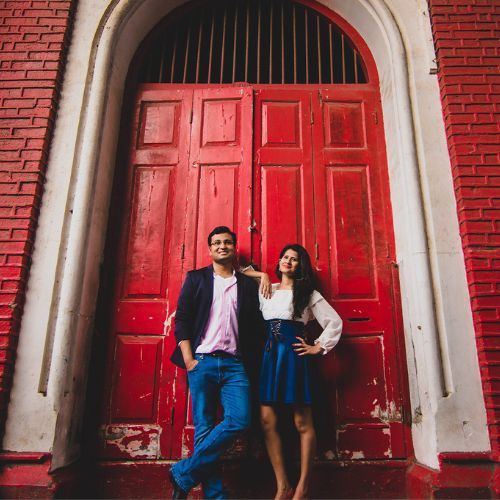
One of the most significant advantages of traditional wedding photography is the timeless quality of the images. Traditional photographs are designed to be elegant and formal, and as such, they often retain their appeal for generations. Couples who choose traditional wedding photography can rest assured that their photos will never go out of style. The formal poses, beautiful lighting, and attention to detail ensure that these images can be cherished for years to come.
The focus on classical compositions and the careful guidance of the wedding photography leads to polished, flattering images that emphasize the couple’s beauty and elegance. Many couples appreciate the timeless nature of these photographs, which remain just as special decades after the wedding.
2. Perfect for Formal Weddings wedding photography
Traditional wedding photography is ideal for couples planning a formal or classic wedding. If you envision a traditional ceremony with a formal dress code, elaborate decorations, and formal reception activities, traditional photography can perfectly complement this type of event. The highly structured nature of traditional wedding photography aligns well with a formal atmosphere and ensures that each moment is captured in the most flattering light.
For couples who desire a grand, formal wedding with all the traditional elements, traditional wedding photography creates a cohesive visual story that reflects the elegance and sophistication of their event.
3. Comprehensive Coverage of Key Moments wedding photography
Traditional wedding photography ensures that all the major milestones of the wedding day are captured. The structured approach means that the photographer will work through a comprehensive shot list, ensuring that no important moment is overlooked. From the first look to the family portraits, the exchange of vows, and the cutting of the cake, traditional wedding photography covers every important moment.
This comprehensive coverage is perfect for couples who want to ensure that every key moment of their wedding is documented. Because the photographer follows a clear plan, couples can be confident that they won’t miss out on any important shots.
4. Family and Group Photos wedding photography
Traditional wedding photography is particularly well-suited for capturing formal family and group shots. For many couples, family photos are one of the most important parts of the wedding day. With traditional wedding photography, the photographer can arrange family members and wedding party members into carefully posed group shots that ensure everyone is included in the album.
These group shots are often the ones that couples will cherish for years, as they capture loved ones together on such a special occasion. For families with extended members or for couples who have a large wedding party, traditional wedding photography ensures that every important family member and guest is included in the final collection of images.
5. Peace of Mind wedding photography
For couples who are nervous about being in front of the camera, traditional wedding photography offers the peace of mind that comes with knowing they will have beautifully composed, flattering images. The photographer takes control of the situation, directing the couple and their families through every pose and shot. This can help alleviate any stress or anxiety about the photos, especially for couples who are uncomfortable with more candid, unscripted styles of wedding photography.
With traditional wedding photography, the couple can focus on enjoying their day, knowing that their photographer is handling all the details to ensure they look their best.
Cons of Traditional or Classic wedding photography
1. Stiff or Posed Feel wedding photography
One of the main drawbacks of traditional wedding photography is that it can sometimes feel stiff or overly posed. Because the photographer directs every shot, some couples may feel that their photos lack the natural, candid quality found in other styles such as documentary or photojournalistic photography. Posed shots can sometimes appear unnatural, especially if the couple or guests feel uncomfortable with the formalities.
For couples who prefer a more relaxed, spontaneous approach to their wedding photos, traditional photography may feel limiting. The structure and direction involved may not appeal to those who want to focus on capturing genuine moments and emotions.
2. Lack of Spontaneity wedding photography
Traditional wedding photography often prioritizes structured shots over spontaneous moments. While key moments like the exchange of vows and the first kiss are captured, the style may not place as much emphasis on candid interactions, genuine emotions, or unposed moments that occur naturally throughout the day. For couples who value the authenticity and rawness of candid shots, traditional photography may feel too controlled or staged.
In contrast to documentary-style wedding photography, which thrives on capturing real-time emotions, traditional wedding photography can sometimes miss the magic of spontaneous moments.
3. Time-Consuming Process wedding photography
Traditional wedding photography can be time-consuming, especially when it comes to posed shots. Couples may need to spend a significant amount of time during the wedding day standing still and following instructions for each shot. This can take away from the overall enjoyment of the day, as the couple may feel like they are constantly being directed and posed.
While it’s important to capture these moments, some couples may prefer a quicker, less rigid process that allows them to spend more time with their guests and enjoy the celebration.
4. Less Creative Freedom wedding photography
Because traditional wedding photography focuses heavily on posed shots and classic compositions, it may not offer as much room for creative expression or artistic experimentation. Photographers who specialize in traditional wedding photography may have to stick closely to conventional poses and formats, limiting the opportunity for the photographer to experiment with angles, lighting, and artistic approaches.
For couples who want a more creative, personalized take on their wedding photos, traditional photography.
Vintage or Retro wedding photography: The Revival of Classic Aesthetics in a Modern World
In the world of wedding photography, styles and trends come and go. However, some styles never truly fade away; they simply evolve and adapt to the changing times. One such enduring style is vintage or retro photography, which draws inspiration from the past while infusing it with modern-day techniques and creativity. This style, known for its nostalgic charm and timeless appeal, continues to captivate photographers and enthusiasts alike.
Vintage or retro wedding photography is not just about mimicking old photographic techniques or using outdated equipment; it’s about evoking a sense of history, nostalgia, and mood that transcends time. It’s a photographic aesthetic that embraces the imperfections of the past, such as film grain, faded colors, and soft-focus effects, all of which contribute to its unique charm.
In this article, we will explore the essence of vintage and retro wedding photography, examining its history, key characteristics, techniques, and the resurgence of this style in the digital age. We will also delve into the role of vintage photography in modern-day photojournalism, fashion, and personal expression, as well as provide tips for those looking to embrace this aesthetic in their own work.
The History of Vintage and Retro wedding photography
To understand the resurgence of vintage or retro wedding photography, it’s important to first explore the history behind these styles. The term “vintage” refers to something that is from a particular time period, usually a few decades ago, and evokes a sense of nostalgia. “Retro,” on the other hand, refers to a style or aesthetic that imitates or is inspired by the past.
The Early Years: Pioneering Photography (1839 – Early 1900s) wedding photography
The first wedding photography were created in the early 19th century, with Joseph Nicéphore Niépce’s creation of the first permanent photograph in 1826. However, it was not until the 1830s and 1840s that the art of photography began to take shape, largely due to the advent of the daguerreotype. The daguerreotype process, invented by Louis Daguerre, was the first commercially successful photographic process and marked the beginning of portrait wedding photography.
These early photographs were typically black and white or sepia-toned and produced on metal plates. They were often highly detailed and precise but required long exposure times. During the late 19th and early 20th centuries, photography became more accessible, and new processes such as tintypes, ambrotypes, and albumen prints further evolved the medium.
The Film Era: The Golden Age of Photography (1900s – 1970s) wedding photography
The golden age of vintage wedding photography took place during the early to mid-20th century when film photography dominated the field. Color film was invented in the 1930s and became widely available in the 1940s, allowing photographers to capture more realistic and vibrant images. The rise of popular camera brands such as Kodak, Leica, and Nikon made wedding photography more accessible to the general public.
During this time, vintage wedding photography became synonymous with iconic images of the mid-20th century, from black-and-white photos of World War II to the glamorously posed images of Hollywood stars. The 1950s and 1960s saw the birth of “retro” style as it emerged in youth culture, fashion, and music. The popularity of Polaroid cameras in the 1960s and 1970s brought instant photography into the mainstream, allowing people to create photographs that had a tangible, nostalgic feel right away.
The Digital Revolution: Decline and Revival (1980s – Present) wedding photography
The digital revolution in the late 20th and early 21st centuries dramatically altered the way wedding photography was practiced. With the advent of digital cameras, smartphones, and editing software, photographers could now take high-quality images instantly and manipulate them in ways that were once unimaginable.
However, the shift to digital wedding photography led to a decline in the use of film. Digital images were cleaner, sharper, and more vibrant than their analog counterparts, and this led many to believe that vintage wedding photography had become obsolete. Despite this, there was a growing desire for nostalgia, and retro aesthetics began to reemerge in fashion, advertising, and art.
Today, vintage and retro wedding photography styles are experiencing a resurgence, thanks to advancements in digital tools that allow wedding photography to emulate the looks of old film cameras, and the growing interest in nostalgia-driven trends across culture. Many wedding photography are intentionally embracing imperfections, using digital filters or analog techniques to create images that evoke the classic feel of yesteryear.
Key Characteristics of Vintage and Retro wedding photography
Vintage and retro wedding photography are characterized by a distinct visual style that evokes a sense of history, nostalgia, and timelessness. Here are some of the key features that define these styles:
1. Soft Focus and Grain wedding photography
One of the hallmark traits of vintage wedding photography is the use of soft focus. Older cameras, especially film cameras, had lenses that were not as sharp as modern lenses. This softness in focus, coupled with a slight blurring of the edges of the image, gives vintage photos a dreamy, romantic quality.
Additionally, film grain is another prominent feature of vintage wedding photography. Film has a natural grain that becomes more visible as the film’s sensitivity (ISO) increases. This grainy texture is often associated with older photographs and can evoke feelings of nostalgia and authenticity. Even in the digital age, many photographers choose to add grain to their digital images to replicate the analog feel.
2. Faded Colors and Tones wedding photography
Vintage photos, especially those from the early-to-mid 20th century, often exhibit muted or faded colors. Early color film processes had limited color accuracy, which resulted in slightly washed-out images. As photos aged over time, the color saturation would also fade due to exposure to light and environmental conditions.
In retro and vintage wedding photography, faded colors and tones are embraced for their nostalgic appeal. This can range from soft sepia tones, which are reminiscent of early wedding photography, to pastel hues or light color washes that evoke a vintage vibe.
3. Black-and-White wedding photography
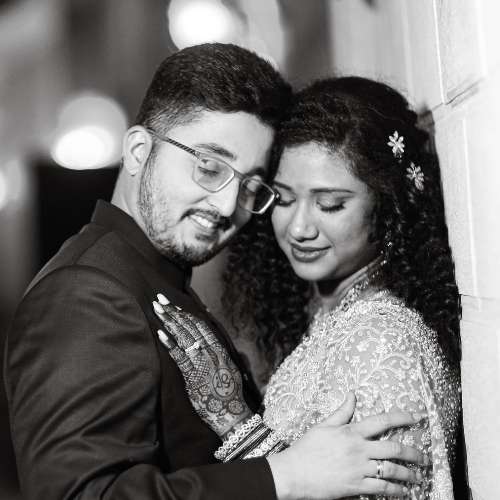
Though color wedding photography became popular in the mid-20th century, black-and-white images remain synonymous with vintage photography. Black-and-white wedding photography eliminates distractions and emphasizes light, shadow, texture, and composition. It is a style that has remained popular in both vintage and retro photography because it creates timeless, evocative images that transcend color and time.
4. Light Leaks and Lens Flares wedding photography
In the days of analog wedding photography, light leaks and lens flares were often unintentional, the result of poorly sealed camera bodies or strong sunlight hitting the lens. However, these imperfections are now considered part of the charm of vintage photography, as they add an organic, unexpected element to the image.
wedding photography today can replicate these effects using digital tools or by deliberately using vintage-style cameras, such as toy cameras (like the Holga or Diana), which are known for producing these kinds of flaws.
5. Vignetting wedding photography
Vignetting refers to the gradual darkening of the image towards the corners, which was common in older lenses due to their optical limitations. Vignetting can add a sense of intimacy or focus the viewer’s attention toward the center of the image. In modern retro wedding photography, vignetting is often added intentionally during post-processing to enhance the vintage feel.
Techniques Used in Vintage and Retro wedding photography
While vintage and retro photography often evokes the look of the past, modern wedding photography have many tools at their disposal to recreate these effects. Whether they’re using film, digital cameras, or editing software, here are some of the techniques photographers use to achieve the classic vintage look:
1. Film Photography wedding photography
The most authentic way to achieve vintage wedding photography is by shooting with actual film. While digital cameras can replicate many aspects of film wedding photography, shooting on actual film creates a tactile experience that digital cameras cannot replicate. wedding photography can use different types of film—such as black and white, slide film, or expired film—to achieve various vintage effects. Each type of film has its own unique characteristics, such as grain, contrast, and color tones.
2. Digital Filters and Presets wedding photography
With the rise of digital wedding photography, photographers now have the ability to mimic the look of vintage photos with ease using filters and presets. Software like Adobe Lightroom and Photoshop offers various filters and presets that emulate old film stocks, including black-and-white film, Polaroid-style effects, and Kodak Ektachrome or Fujifilm Velvia looks. These presets adjust the color grading, grain, vignetting, and other aspects of an image to produce a nostalgic aesthetic.
3. Lens and Camera Modifications wedding photography
To achieve a more authentic retro feel, some wedding photography modify their cameras or use specialized lenses. For example, using lenses with soft focus effects or old vintage lenses (such as those from the Soviet era) can introduce unique characteristics to an image, such as bokeh (the quality of the out-of-focus areas of the image). Some photographers also use toy cameras or Lomography cameras to produce images with natural light leaks and distorted perspectives, which are associated with retro wedding photography.
4. Post-Processing wedding photography
In the digital age, post-processing is an essential part of achieving a vintage look. wedding photography can manipulate their digital images by adjusting the contrast, exposure, and color balance to give them a more retro or faded feel. Adding film grain, creating vignettes, and simulating the imperfections of old film can all be accomplished during post-processing to enhance the vintage aesthetic.
The Resurgence of Vintage wedding photography in Modern Times
In the past few decades, there has been a resurgence of interest in vintage and retro photography. The reasons for this revival are multifaceted, involving a mix of nostalgia, artistic exploration, and the desire for uniqueness in a digital world. The modern era of Instagram, Pinterest, and social media has given rise to an increasing demand for nostalgic content, and vintage photography fits perfectly into this trend.
1. Nostalgia and Authenticity wedding photography
Vintage wedding photography taps into a sense of nostalgia that many people crave. In an age where everything is instant and digitally perfect, there is a longing for the authenticity and imperfection that comes with old photographs. Vintage photos evoke memories of the past, whether it’s childhood memories, past generations, or simpler times. Many people are drawn to vintage photos because they convey a sense of warmth, character, and sentimentality that modern digital images often lack.
2. Fashion and Culture wedding photography
Vintage wedding photography has also been embraced by the fashion industry, with many brands and influencers using retro aesthetics to sell clothing, accessories, and lifestyles. Vintage-inspired looks, whether it’s 1920s flapper style, 1950s pin-up, or 1970s bohemian chic, are regularly featured in advertisements and photo shoots. This has created a market for vintage and retro photography, with photographers using old film cameras and digital editing techniques to create images that align with these nostalgic fashion trends.
3. The Artistic Appeal of Imperfection wedding photography
In a world where digital wedding photography has made everything look perfect, vintage and retro photography provides a refreshing change. The imperfections of old photos—such as film grain, soft focus, and light leaks—add character and mood to the image, making it feel more organic and personal. Many modern photographers embrace these imperfections to create more authentic, emotional, and artistic images that stand out in a world saturated with perfect digital photos.
Conclusion wedding photography
Vintage and retro wedding photography continue to be a powerful and captivating form of artistic expression, offering a timeless aesthetic that resonates with both modern and traditional sensibilities. Whether using old film cameras or digital tools to replicate the feel of the past, vintage wedding photography allows photographers to evoke emotion, nostalgia, and history in their work. Its rise in popularity today speaks to a longing for authenticity and imperfection in a world that is increasingly digital and polished.
As wedding photography continues to evolve, vintage and retro styles will remain an important part of the medium’s rich history and artistic diversity. Whether it’s through the use of film, digital manipulation, or other creative techniques, vintage and retro photography remind us that the past is never truly gone—it lives on through the images we create and the memories we preserve.