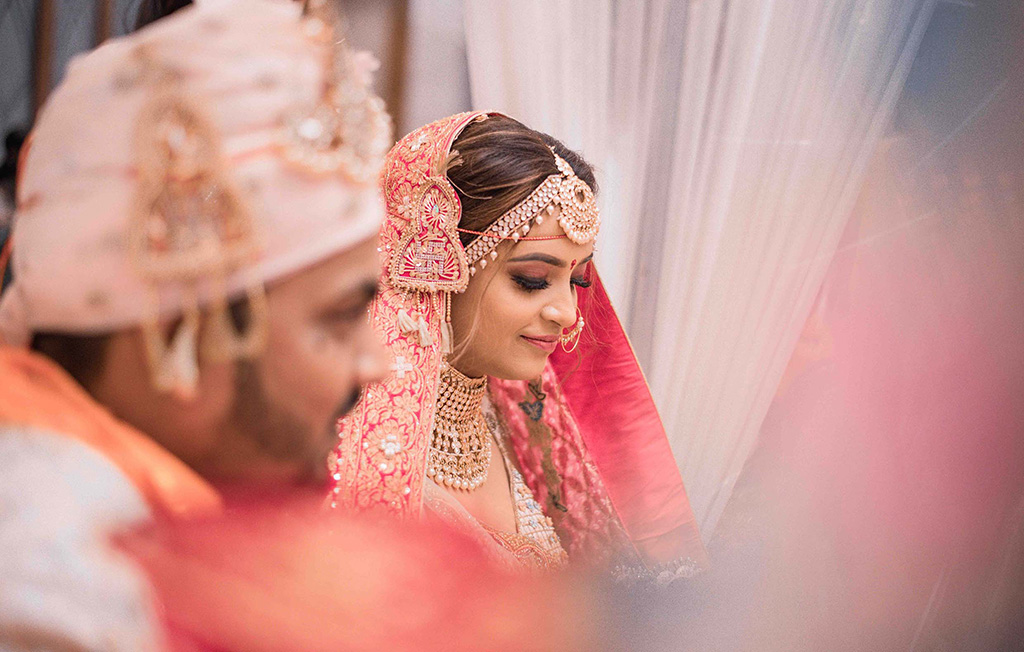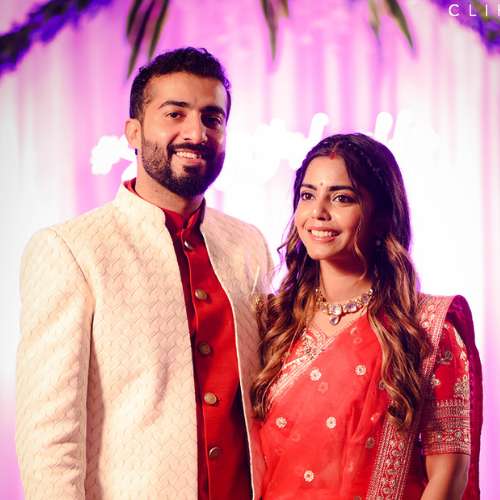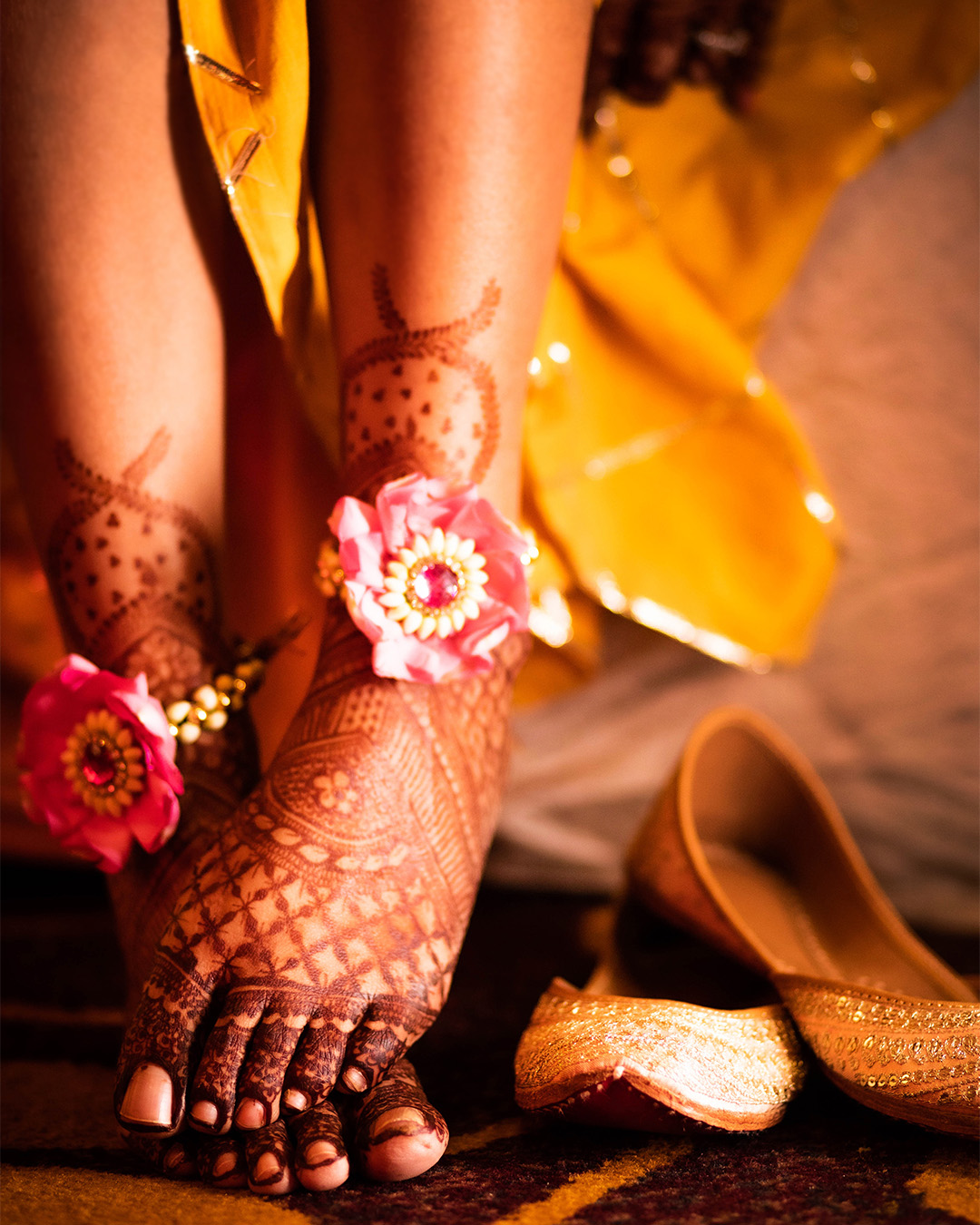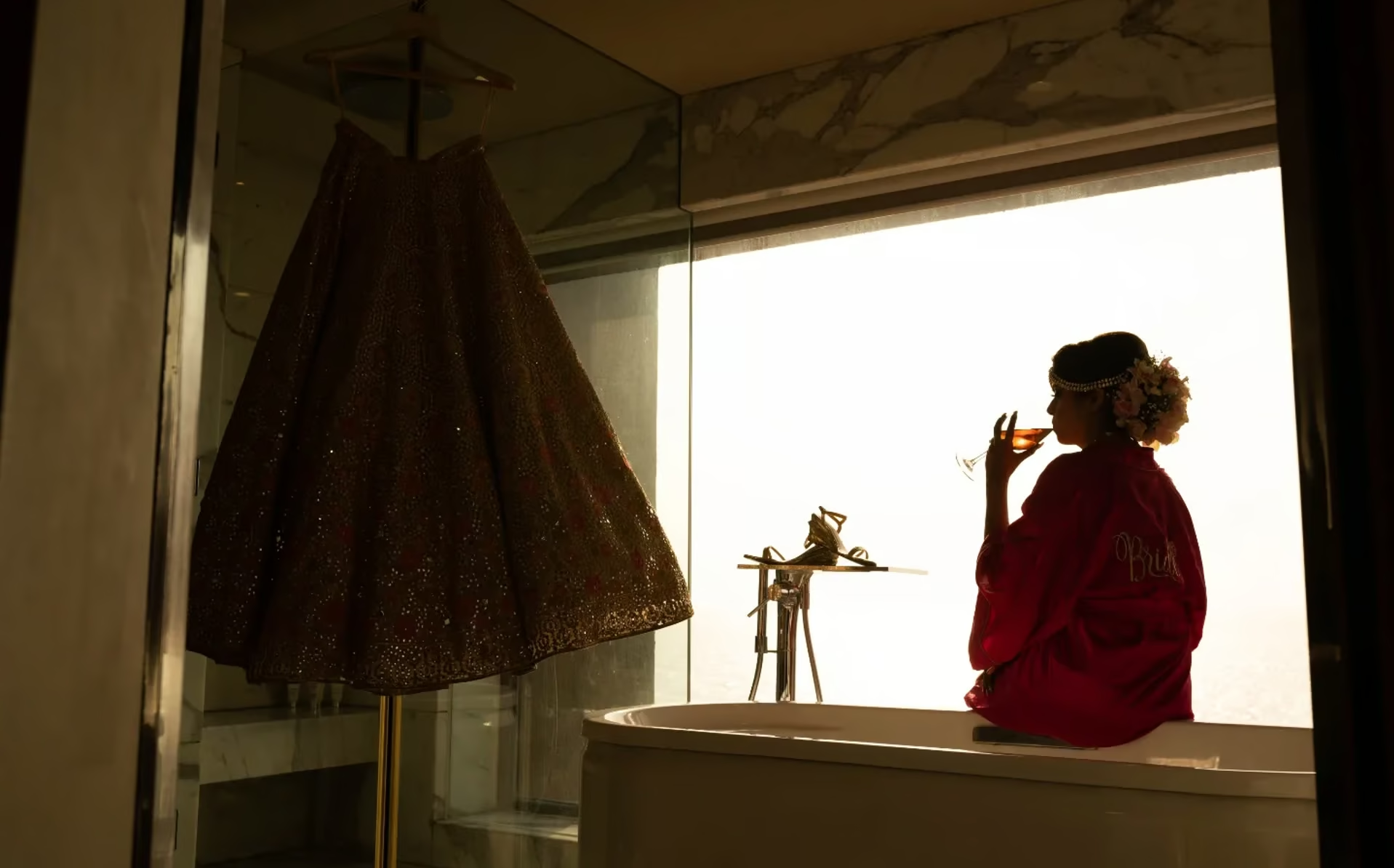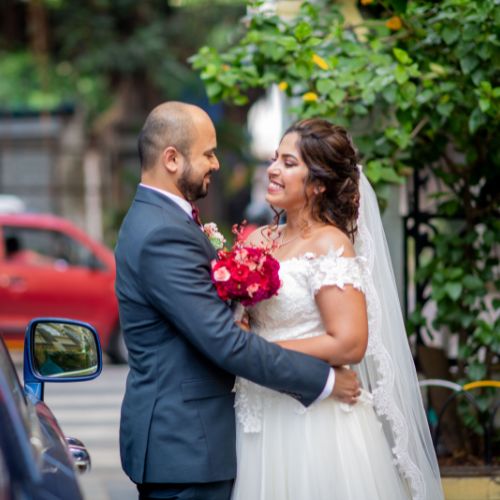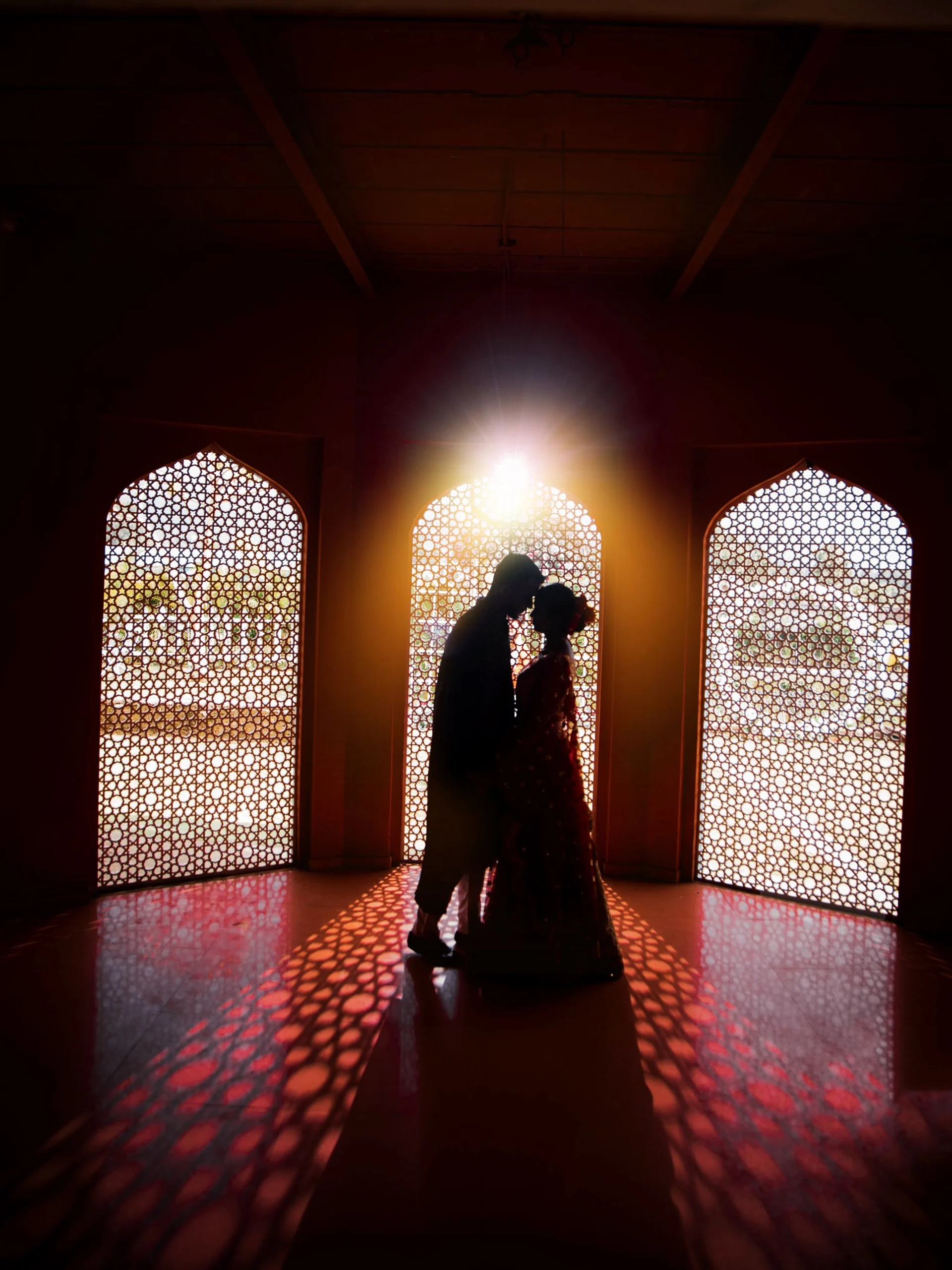
wedding photography is more than just capturing images; it is about preserving the magic, emotions, and memories of one of the most significant days in a couple’s life. A skilled wedding photographer combines technical expertise with creative vision to tell a compelling story, making the couple’s special day timelessly unforgettable. This discussion explores wedding photography in-depth, highlighting its importance, techniques, challenges, and strategies to achieve perfection.
The Importance of wedding photography
wedding photography holds immense significance for several reasons:
- Preserving Memories
- A wedding is a once-in-a-lifetime event, and photography immortalizes every moment, allowing couples to relive the joy and emotions for years to come.
- Telling a Story
- Through skillful composition and sequencing, wedding photography narrates the unique story of the couple’s journey, from pre-wedding preparations to the final farewell.
- Emotional Connection
- Photos capture the heartfelt moments, such as the first look, tears of joy, and shared laughter, which evoke strong emotional connections.
- Sharing with Loved Ones
- Wedding photos allow couples to share their day with friends and family who could not attend, bridging distances and creating shared memories.
- Creating an Heirloom
- A beautifully curated wedding album becomes a cherished family heirloom, passed down through generations.
Techniques and Styles in wedding photography
Modern wedding photography has evolved significantly, encompassing various styles and techniques to suit diverse preferences:
- Photojournalistic Style
- This approach focuses on candid, natural shots, capturing events as they unfold without staged poses. It creates an authentic and emotive visual narrative.
- Traditional Style
- Emphasizing posed portraits, this classic style ensures key moments and important family members are documented in a formal manner.
- Fine Art Photography
- This style combines artistic creativity with wedding moments, using dramatic lighting, unique angles, and meticulous editing to produce visually stunning images.
- Editorial Style
- Inspired by fashion photography, this approach focuses on elegance and glamour, often featuring dramatic poses and carefully curated settings.
- Black and White Photography
- Stripping away color, this style emphasizes emotion and timelessness, creating striking and evocative images.
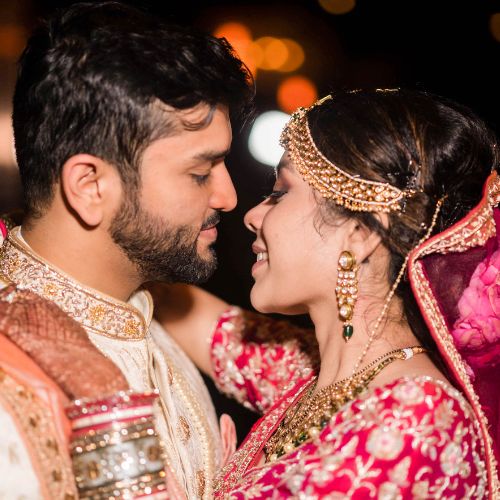
Challenges in wedding photography
wedding photography is not without its challenges. Here are some common hurdles photographers face and how they overcome them:
- Time Constraints
- Weddings often follow tight schedules, leaving little time for elaborate setups. Photographers must work efficiently to capture essential moments without disrupting the flow of events.
- Unpredictable Lighting
- Changing lighting conditions, such as dimly lit venues or harsh outdoor sunlight, require photographers to adapt quickly, using equipment like external flashes and reflectors.
- Emotional Pressure
- The emotional significance of weddings places high expectations on photographers, who must remain calm and composed to deliver exceptional results.
- Crowded Venues
- Navigating through crowded spaces while capturing intimate moments requires skill and discretion.
- Environmental Challenges
- Unexpected weather changes or outdoor settings can pose challenges, demanding creativity and flexibility from the photographer.
Strategies for Perfect wedding photography
Achieving exceptional wedding photography involves meticulous planning, technical expertise, and a keen artistic eye. Here are some strategies for success:
For Photographers
- Pre-Wedding Consultations
- Meeting with the couple to understand their preferences, must-have shots, and the wedding schedule ensures alignment of expectations.
- Venue Scouting
- Visiting the venue in advance allows photographers to identify ideal locations for shots and anticipate lighting conditions.
- Investing in Equipment
- High-quality cameras, lenses, and lighting equipment are essential for capturing stunning images. Backup gear ensures preparedness for technical failures.
- Building a Timeline
- Coordinating with the couple and wedding planner to create a photography timeline ensures sufficient time for all key moments.
- Adopting a Storytelling Approach
- Focusing on capturing emotions and candid moments creates a cohesive and impactful visual narrative.
- Continuous Learning
- Attending workshops, experimenting with new techniques, and staying updated on industry trends contribute to professional growth.
For Couples
- Choosing the Right Photographer
- Reviewing portfolios, checking reviews, and meeting with potential photographers help couples find someone whose style resonates with their vision.
- Communicating Expectations
- Sharing a detailed list of must-have shots, preferred styles, and special requests ensures clarity and alignment.
- Allocating Time for Photos
- Scheduling dedicated time for portraits and group shots prevents rushed sessions and allows for creative exploration.
- Trusting the Photographer
- Allowing the photographer creative freedom often leads to the best results, as they can focus on capturing genuine moments.
- Preparing for the Unexpected
- Flexibility and a positive attitude help couples and photographers navigate any unforeseen challenges, such as weather or timing delays.
The Emotional Impact of wedding photography
wedding photography holds a profound emotional significance, creating a tangible connection to the day’s memories:
- Reliving the Day
- Photos allow couples to revisit moments they might have missed in the whirlwind of the event, from a loved one’s laughter to a child’s playful antics.
- Strengthening Relationships
- Group photos and candid interactions capture the essence of family and friendships, fostering a sense of togetherness.
- Celebrating Love
- Each image becomes a testament to the couple’s love story, celebrating their journey together.
wedding photography: Positives and Negatives
Positives
- Preservation of Memories: wedding photography captures fleeting moments, creating timeless keepsakes that couples can cherish forever.
- Emotional Impact: Photos evoke the emotions of the day, bringing back the joy, love, and excitement with every glance.
- Professional Quality: Skilled photographers ensure high-quality images with perfect lighting, composition, and editing.
- Creative Expression: Artistic photography styles, like candid or fine art, make the wedding album unique and personal.
- Documenting Details: From the décor to the smallest gestures, photography ensures no detail is forgotten.
- Shared Joy: Photos allow friends and family who couldn’t attend to feel part of the celebration.
Negatives
- Cost: Professional wedding photography can be expensive, sometimes consuming a significant part of the budget.
- Pressure for Perfection: The desire for flawless photos can add stress to the day for both the couple and the photographer.
- Intrusion: Photographers might unintentionally disrupt moments, especially during candid shots or key ceremonies.
- Risk of Disappointment: If expectations aren’t met, couples may feel let down by the final product.
- Dependence on Skill: A less experienced photographer might miss important moments or fail to deliver high-quality images.
- Overemphasis on Posing: Excessive focus on staged shots can detract from enjoying the natural flow of the day.
Core Principles of Minimalist wedding photography
- Simplicity:
- Stripping away distractions to emphasize the subject.
- Using neutral tones, clean backgrounds, and natural lighting.
- Intentionality:
- Every element in the frame serves a purpose, from the composition to the choice of focus.
- The photographer aims to tell a story through thoughtful and deliberate captures.
- Negative Space:
- Utilizing empty areas in the frame to draw attention to the subject.
- Creates a sense of balance and calmness in the composition.
- Focus on Details:
- Highlighting small but meaningful elements such as a shared glance, a handhold, or the texture of the bride’s gown.
Techniques in Minimalist wedding photography
- Clean Compositions:
- Avoid busy or cluttered backgrounds.
- Use symmetry and balance to create visually pleasing images.
- Natural Light:
- Leveraging soft, natural light to create gentle contrasts and organic tones.
- Avoiding artificial lighting setups that may disrupt the simplicity of the scene.
- Monochrome Palettes:
- Employing black-and-white photography or muted color schemes to evoke timelessness.
- Negative Space:
- Leaving ample space around the subject to emphasize their presence.
- Adds an artistic and airy quality to the images.
- Candid Moments:
- Capturing genuine, unposed interactions between the couple and their loved ones.
- Prioritizing emotions and authenticity over staged shots.
Benefits of Minimalist wedding photography
- Timeless Appeal:
- Minimalist images are less likely to feel dated, offering enduring beauty.
- Enhanced Emotional Impact:
- By removing distractions, the focus remains on the emotions and relationships being documented.
- Artistic Expression:
- Minimalism allows for creative compositions and a refined aesthetic that stands out.
- Stress-Free Experience:
- Couples can enjoy their day without feeling overwhelmed by elaborate setups or constant posing.
- Budget-Friendly:
- Simplicity often translates to fewer props, accessories, and complex arrangements, reducing costs.
Why Couples Choose Minimalist wedding photography
- Reflecting Personal Style:
- Many modern couples value simplicity and want their wedding to reflect their understated elegance.
- Focus on Relationships:
- Minimalist photography emphasizes connections over material elements, resonating with couples who prioritize people and emotions.
- Eco-Friendly Weddings:
- Simpler setups often align with sustainable wedding practices, reducing waste and excess.
- Sophisticated Aesthetic:
- The clean and refined look of minimalist images appeals to those who appreciate high-quality artistry.
Challenges of Minimalist wedding photography
- Skill-Dependent:
- Requires a skilled photographer who can balance simplicity with visual interest.
- Limited Props and Backdrops:
- Minimalism demands creativity to ensure diversity in shots without relying on elaborate setups.
- Perception of Simplicity:
- Some clients may mistake minimalism for lack of effort or detail, requiring clear communication about the artistic approach.
Key Elements to Capture in Minimalist wedding photography
- Emotional Connections:
- Moments of laughter, tears, and love between the couple, their families, and guests.
- Natural Surroundings:
- Incorporating the beauty of the venue, whether it’s a serene outdoor location or an architecturally stunning indoor space.
- Meaningful Details:
- Rings, invitations, florals, or other elements that hold sentimental value.
- Silhouettes and Shadows:
- Using light creatively to produce artistic and impactful images.
How to Plan for a Minimalist wedding photography Experience
- Choose the Right Photographer:
- Look for a wedding photography whose portfolio reflects minimalist principles.
- Select a Simple Venue:
- Opt for locations with clean lines, natural beauty, or neutral tones.
- Communicate Your Vision:
- Share your preferences and ideas with the photographer to ensure alignment.
- Prioritize Natural Light:
- Plan the schedule to take advantage of soft, natural lighting conditions.
- Focus on Meaningful Decor:
- Use decor sparingly, emphasizing quality over quantity.
Key Elements of wedding photography
- Capturing Emotions: wedding photography captures the authentic emotions of the day, from the bride’s tears of joy to the groom’s expressions of happiness. These photos tell a story of love, connection, and celebration.
- Preserving Details: From the intricate designs of the wedding dress and decor to the exchange of rings, photography ensures every small detail is documented.
- Celebrating Relationships: wedding photography captures the bonds between family members, friends, and the couple. Group shots and candid moments reflect the joy shared by all attendees.
- Creating a Legacy: wedding photography become heirlooms, passed down through generations, allowing families to reflect on their history and heritage.
The Role of wedding photography
wedding photography are responsible for more than just taking pictures. They must have technical expertise, creative vision, and the ability to connect with people. Their role includes:
- Planning and Preparation: Discussing with the couple their expectations and preferences, scouting the venue, and understanding the wedding schedule.
- Technical Skills: Using appropriate equipment and techniques to handle various lighting conditions, compositions, and settings.
- Post-Processing: Editing photos to enhance their quality and artistic appeal, ensuring the final collection meets the couple’s expectations.
Importance of wedding photography
- Timeless Memories: wedding photography immortalizes moments that are fleeting, ensuring that even the smallest gestures are preserved.
- Emotional Resonance: Photos evoke nostalgia and allow couples to relive their special day repeatedly.
- Cultural Significance: In many cultures, wedding photos are an essential part of the event, reflecting traditions, customs, and values.
Styles of wedding photography
wedding photography varies based on the style chosen by the couple. Popular styles include:
- Traditional: Focused on posed and formal shots.
- Photojournalistic: Captures candid, unscripted moments.
- Fine Art: Artistic and creative compositions.
- Contemporary: Modern and stylish, inspired by fashion.
- Vintage: Nostalgic and timeless aesthetic.
wedding photography is a vital part of any wedding celebration. It ensures that the emotions, beauty, and essence of the day are captured and preserved for future reflection. By blending technical skills with artistic creativity, wedding photography create a visual legacy of love and commitment.
wedding photography is a vital part of every wedding celebration, as it immortalizes the moments, emotions, and details of one of the most significant days in a couple’s life. It goes beyond simply taking pictures; it creates a tangible memory that can be cherished and revisited for years to come.
Why wedding photography is Essential
- Preserving Special Moments: A wedding day is filled with fleeting moments—exchanging vows, the first kiss, or a heartfelt toast. wedding photography ensures these moments are captured forever.
- Documenting Details: Every wedding is unique, with intricate decorations, personalized themes, and meaningful traditions. Photography captures these details, preserving the hard work and creativity of the day.
- Emotional Connection: Wedding photos evoke deep emotions, allowing couples to relive the joy, laughter, and love of their special day.
- Family Heirloom: Wedding photos often become treasured family heirlooms, passed down through generations, connecting families to their heritage.
- Telling a Story: Through a blend of posed and candid shots, wedding photography narrates the couple’s love story and the essence of the celebration.
The Role of a wedding photography
A wedding photography plays a crucial role in ensuring the success of this preservation process. They must:
- Understand the Couple’s Vision: Collaborate with the couple to capture their desired style and important moments.
- Adapt to Challenges: Handle various lighting conditions, weather changes, and unpredictable events with ease.
- Provide Artistic Value: Create visually stunning and emotionally impactful photos through composition, lighting, and editing.
Styles of wedding photography
Couples can choose from various styles to suit their preferences:
- Traditional: Focuses on formal, posed portraits and significant moments.
- Photojournalistic: Captures natural, candid moments to tell an authentic story.
- Fine Art: Emphasizes creativity and aesthetic beauty.
- Contemporary: Incorporates modern, stylish elements.
- Drone Photography: Provides breathtaking aerial views of the venue and event.
The Long-Term Importance
wedding photography is not just about the present; its value grows with time. It allows couples to reflect on their journey and share their memories with future generations. As trends and technology evolve, the timeless nature of a well-captured wedding photo remains constant, making it a cornerstone of any wedding celebration.
In conclusion, wedding photography is a vital part of commemorating love, connection, and the joy of a wedding day. It is an investment in memories that last a lifetime, offering a beautiful reminder of the bonds shared and the start of a new chapter.
Minimalist wedding photography
Minimalist wedding photography focuses on simplicity and intentionality, stripping away excess to highlight the purest emotions and elements of a couple’s special day. This style embraces the wedding photography that “less is more,” creating elegant and timeless images that capture the essence of the event without unnecessary embellishments. In this article, we will explore the concept of minimalist wedding photography its techniques, benefits, and why it resonates with modern couples seeking understated beauty.
What Is Minimalist Wedding Photography?
Minimalist wedding photography is an approach that prioritizes clean compositions, negative space, and subtle details. It avoids overly dramatic setups or cluttered backgrounds, instead focusing on the subjects and their authentic interactions. By simplifying the visual narrative, minimalist wedding photography allows the emotions and beauty of the moment to shine through.
Core Principles of Minimalist wedding photography
- Simplicity:
- Stripping away distractions to emphasize the subject.
- Using neutral tones, clean backgrounds, and natural lighting.
- Intentionality:
- Every element in the frame serves a purpose, from the composition to the choice of focus.
- The photographer aims to tell a story through thoughtful and deliberate captures.
- Negative Space:
- Utilizing empty areas in the frame to draw attention to the subject.
- Creates a sense of balance and calmness in the composition.
- Focus on Details:
- Highlighting small but meaningful elements such as a shared glance, a handhold, or the texture of the bride’s gown.
Techniques in Minimalist wedding photography
- Clean Compositions:
- Avoid busy or cluttered backgrounds.
- Use symmetry and balance to create visually pleasing images.
- Natural Light:
- Leveraging soft, natural light to create gentle contrasts and organic tones.
- Avoiding artificial lighting setups that may disrupt the simplicity of the scene.
- Monochrome Palettes:
- Employing black-and-white wedding photography or muted color schemes to evoke timelessness.
- Negative Space:
- Leaving ample space around the subject to emphasize their presence.
- Adds an artistic and airy quality to the images.
- Candid Moments:
- Capturing genuine, unposed interactions between the couple and their loved ones.
- Prioritizing emotions and authenticity over staged shots.
Benefits of Minimalist wedding photography
- Timeless Appeal:
- Minimalist images are less likely to feel dated, offering enduring beauty.
- Enhanced Emotional Impact:
- By removing distractions, the focus remains on the emotions and relationships being documented.
- Artistic Expression:
- Minimalism allows for creative compositions and a refined aesthetic that stands out.
- Stress-Free Experience:
- Couples can enjoy their day without feeling overwhelmed by elaborate setups or constant posing.
- Budget-Friendly:
- Simplicity often translates to fewer props, accessories, and complex arrangements, reducing costs.
Why Couples Choose Minimalist wedding photography
- Reflecting Personal Style:
- Many modern couples value simplicity and want their wedding to reflect their understated elegance.
- Focus on Relationships:
- Minimalist photography emphasizes connections over material elements, resonating with couples who prioritize people and emotions.
- Eco-Friendly Weddings:
- Simpler setups often align with sustainable wedding practices, reducing waste and excess.
- Sophisticated Aesthetic:
- The clean and refined look of minimalist images appeals to those who appreciate high-quality artistry.
Challenges of Minimalist wedding photography
- Skill-Dependent:
- Requires a skilled photographer who can balance simplicity with visual interest.
- Limited Props and Backdrops:
- Minimalism demands creativity to ensure diversity in shots without relying on elaborate setups.
- Perception of Simplicity:
- Some clients may mistake minimalism for lack of effort or detail, requiring clear communication about the artistic approach.
Key Elements to Capture in Minimalist wedding photography
- Emotional Connections:
- Moments of laughter, tears, and love between the couple, their families, and guests.
- Natural Surroundings:
- Incorporating the beauty of the venue, whether it’s a serene outdoor location or an architecturally stunning indoor space.
- Meaningful Details:
- Rings, invitations, florals, or other elements that hold sentimental value.
- Silhouettes and Shadows:
- Using light creatively to produce artistic and impactful images.
How to Plan for a Minimalist wedding photography Experience
- Choose the Right Photographer:
- Look for a photographer whose portfolio reflects minimalist principles.
- Select a Simple Venue:
- Opt for locations with clean lines, natural beauty, or neutral tones.
- Communicate Your Vision:
- Share your preferences and ideas with the wedding photography to ensure alignment.
- Prioritize Natural Light:
- Plan the schedule to take advantage of soft, natural lighting conditions.
- Focus on Meaningful Decor:
- Use decor sparingly, emphasizing quality over quantity.
The Future of Minimalist wedding photography
As trends shift towards sustainability and intentional living, minimalist wedding photography is likely to grow in popularity. Its ability to capture authentic moments while reflecting the couple’s values ensures its enduring appeal. Advances in technology and editing software will also enhance the creative possibilities within this style, further solidifying its place in the wedding photography landscape.
Conclusion
Minimalist wedding photography is a celebration of simplicity and elegance. By focusing on the essential elements of love, connection, and beauty, it creates timeless images that resonate deeply with couples. Its emphasis on authenticity and artistry makes it a perfect choice for modern weddings, ensuring that the memories captured are both meaningful and visually stunning. As couples continue to seek intentional and sustainable options, minimalist wedding photography stands out as a powerful way to document their love story.
wedding photography is an art that goes beyond technical skill, requiring empathy, creativity, and meticulous planning. By blending storytelling with technical expertise, photographers can create a treasure trove of memories that couples will cherish for a lifetime. When couples and wedding photography collaborate effectively, the result is a seamless and joyful experience, capturing the essence of love and celebration in its purest form.