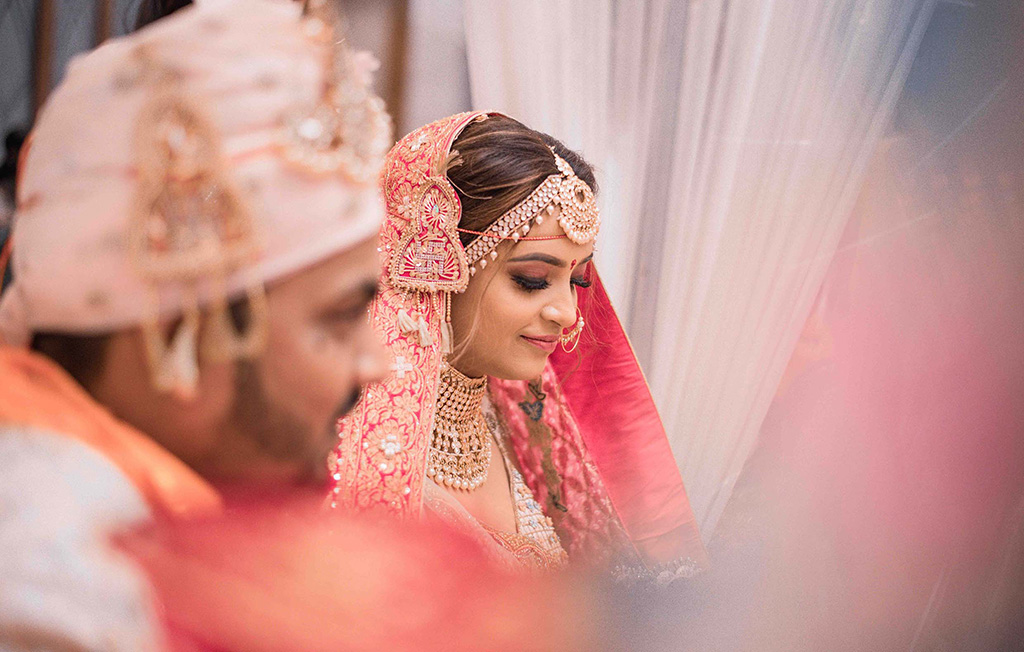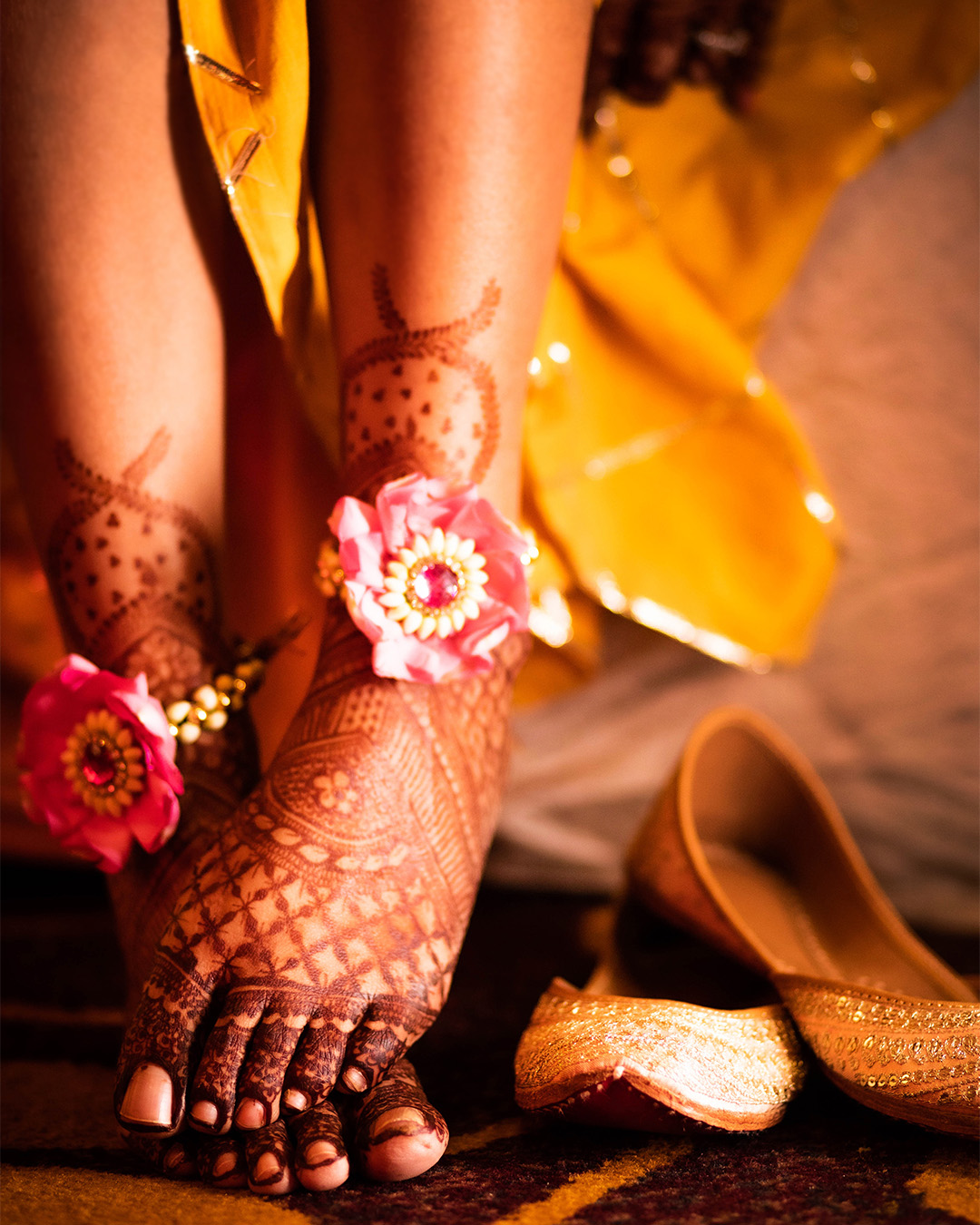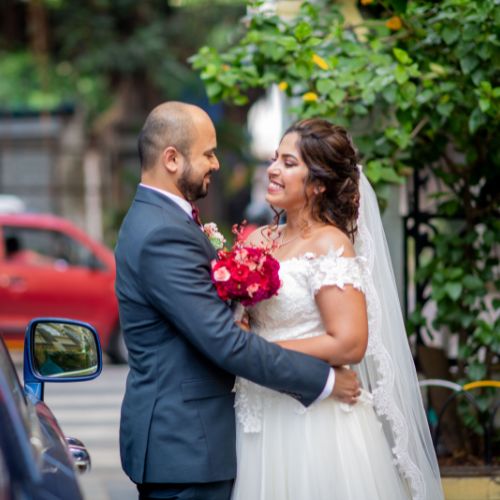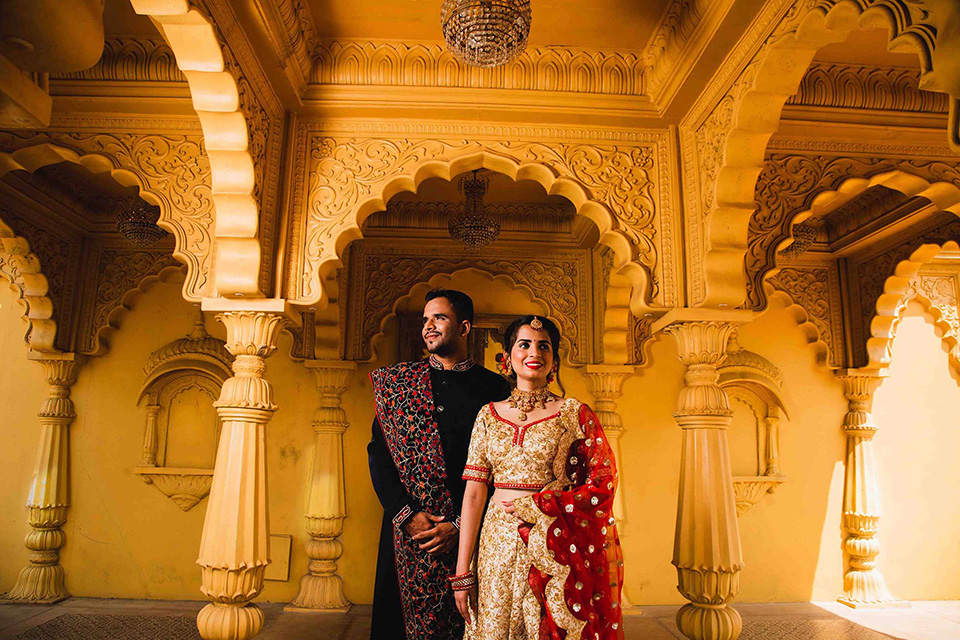
Fine art wedding photography is a sophisticated and artistic approach to capturing a couple’s special day. This style emphasizes aesthetics, creativity, and storytelling, transforming ordinary moments into extraordinary works of art. Unlike traditional wedding photography, which focuses on documenting events in a straightforward manner, fine art wedding photography seeks to evoke emotion and create visually stunning images that stand the test of time.
In this article, we explore the essence of fine art wedding photography, its distinguishing characteristics, techniques, challenges, and the role of the photographer in crafting timeless masterpieces.
The Essence of Fine Art wedding photography
Fine art wedding photography is a fusion of art and emotion. It goes beyond documenting the day to create a visual narrative that reflects the couple’s personality and love story. Every photograph is meticulously composed, paying attention to lighting, color, and texture to achieve a polished and artistic finish. The goal is to produce images that are not only beautiful but also deeply meaningful.
Characteristics of Fine Art wedding photography
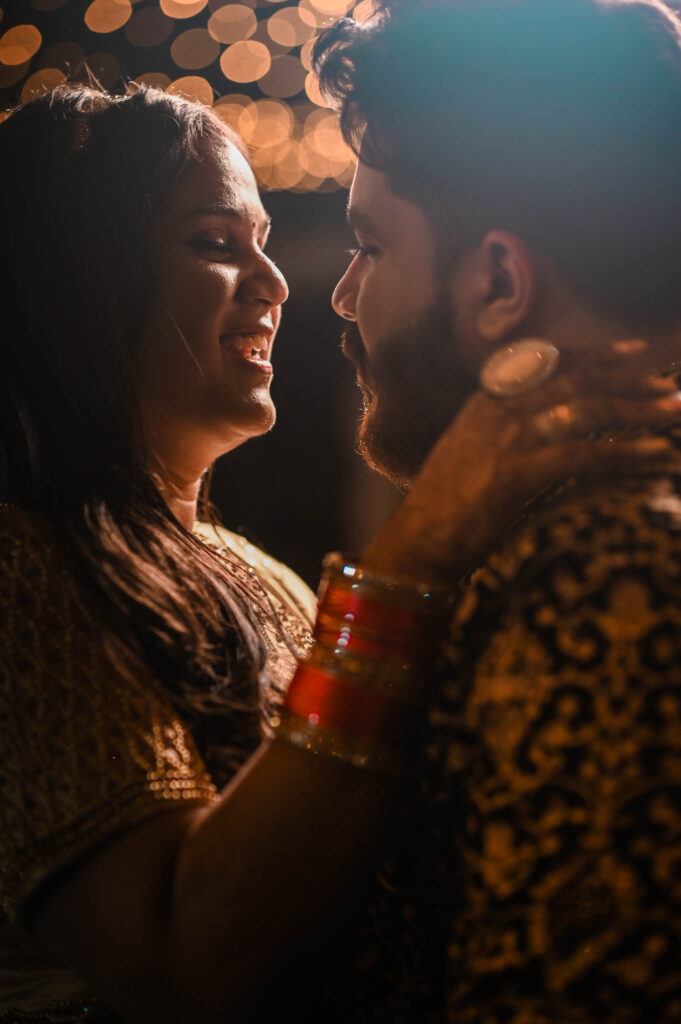
- Artistic Vision: Fine art wedding photography approach weddings with a creative mindset, aiming to produce images that could be displayed in a gallery. They focus on capturing beauty and emotion in every shot.
- Attention to Detail: From the intricate lace of a wedding gown to the delicate petals of a bouquet, fine art photography highlights the small details that make the day unique.
- Use of Light: Lighting plays a pivotal role in fine art photography. Photographers often use natural light to create soft, ethereal effects or dramatic lighting to add depth and contrast.
- Storytelling: Fine art photography tells a story through carefully curated images. Each photo contributes to the overall narrative, creating a cohesive and engaging collection.
- Timeless Quality: The artistic nature of fine art photography ensures that the images remain relevant and impactful for generations. Classic compositions and elegant editing contribute to this timeless appeal.
Techniques and Equipment wedding photography
Fine art wedding photography requires a combination of technical expertise and artistic sensibility. Here’s a closer look at the techniques and equipment used:
- Camera and Lenses: High-quality DSLR or mirrorless cameras are essential for fine art wedding photography. Prime lenses, such as 50mm or 85mm, are popular choices for their ability to create beautiful bokeh and shallow depth of field.
- Composition: Photographers use compositional techniques such as the rule of thirds, leading lines, and symmetry to create visually pleasing images. Negative space is often employed to draw attention to the subject.
- Post-Processing: Editing is a crucial aspect of fine art photography. Photographers use software like Adobe Lightroom and Photoshop to enhance colors, adjust lighting, and apply artistic effects while maintaining a natural look.
- Props and Styling: Fine art photographers may incorporate props or carefully style scenes to add a touch of elegance and creativity. These elements are chosen to complement the wedding theme and enhance the overall aesthetic.
Challenges in Fine Art wedding photography
Like any form of wedding photography, fine art wedding photography comes with its own set of challenges:
- Balancing Art and Reality: While fine art photographers aim to create visually stunning images, they must also document key moments and emotions authentically.
- Lighting Conditions: Weddings often take place in diverse lighting environments. Photographers must adapt to varying conditions, from bright outdoor settings to dimly lit indoor venues.
- Time Constraints: Weddings are fast-paced events, leaving little room for elaborate setups. Photographers must work efficiently to capture artistic shots without disrupting the flow of the day.
- Client Expectations: Couples may have specific ideas about what they want from their wedding photos. Fine art photographers need to balance their artistic vision with the couple’s preferences.
The Role of the Fine Art wedding photography
A fine art wedding photography is more than just a documentarian. They are an artist, storyteller, and collaborator.
- Creating a Vision: The photographer works closely with the couple to understand their style, preferences, and vision for their wedding photos. This collaboration ensures the final images reflect their unique story.
- Capturing Emotions: Fine art photographers excel at capturing genuine emotions and intimate moments. Their ability to anticipate and seize these fleeting instances sets them apart.
- Attention to Detail: From the decor to the couple’s attire, fine art photographers focus on the details that make the wedding special. These elements add depth and richness to the visual narrative.
- Post-Production Expertise: Editing is a critical part of fine art wedding photography. Photographers enhance their images to achieve a cohesive and polished look, ensuring every photo is a work of art.
Preparing for Fine Art wedding photography
Preparation is key to creating exceptional fine art wedding photos. Here are some essential steps:
- Pre-Wedding Consultations: Meeting with the couple helps the photographer understand their vision, preferences, and the wedding timeline.
- Venue Scouting: Visiting the venue in advance allows the photographer to identify potential locations for artistic shots and assess lighting conditions.
- Shot List: Creating a shot list ensures no essential moments or details are overlooked. This list serves as a guide for the wedding day.
- Backup Equipment: Fine art photographers always have backup cameras, lenses, and lighting equipment to handle any technical issues.
The Importance of Fine Art wedding photography
Fine art wedding photography holds immense value for couples who appreciate artistry and storytelling. It transforms their wedding day into a visual masterpiece, capturing not only the events but also the emotions, aesthetics, and essence of their love story. These photographs become cherished heirlooms, preserving memories with elegance and grace.
Step 1: Master the Craft wedding photography
1.1 Develop Technical Skills wedding photography
Before marketing your services, ensure your wedding photography skills are refined. Key areas to focus on include:
- Camera Mastery: Understand manual settings like ISO, aperture, and shutter speed.
- Lighting Techniques: Practice using natural light, flash, and reflectors.
- Composition: Learn rules of framing, symmetry, and storytelling through visuals.
- Post-Processing: Master photo editing software such as Adobe Lightroom and Photoshop.
1.2 Build a Portfolio wedding photography
A strong portfolio is your most effective marketing tool. To build one:
- Offer free or discounted shoots for friends or family.
- Collaborate with wedding planners or stylists to create styled shoots.
- Showcase a variety of styles, including candid moments, posed portraits, and detail shots.
Step 2: Define Your Brand wedding photography
2.1 Establish Your Unique Style wedding photography
Identify what sets you apart. Whether it’s your artistic approach, editing style, or ability to capture emotions, make this a hallmark of your brand.
2.2 Create a Professional Identity wedding photography
- Logo and Name: Develop a memorable business name and logo.
- Website: Build a clean, visually appealing website that includes your portfolio, about section, and contact information.
- Social Media Presence: Use platforms like Instagram and Pinterest to share your work and engage with potential clients.
Step 3: Build a Reputation wedding photography
3.1 Provide Exceptional Client Experiences wedding photography
Word-of-mouth recommendations are invaluable in the wedding industry. To foster them:
- Communicate clearly and promptly with clients.
- Go above and beyond during shoots to make clients feel special.
- Deliver high-quality images on time.
3.2 Network Within the Industry wedding photography
- Collaborate with Vendors: Build relationships with wedding planners, florists, venues, and makeup artists.
- Attend Wedding Shows: Showcase your work at bridal expos to connect with potential clients and industry peers.
- Join Professional Associations: Membership in groups like the Wedding & Portrait Photographers International (WPPI) can enhance credibility.
3.3 Collect and Showcase Reviews wedding photography
Ask satisfied clients to leave testimonials on platforms like Google, Yelp, or your website. Positive reviews can significantly influence potential clients.
Step 4: Market Effectively wedding photography
4.1 Use Digital Marketing wedding photography
- SEO: Optimize your website to rank for local wedding photography keywords.
- Social Media Ads: Run targeted ads on Instagram and Facebook.
- Blogging: Write articles about wedding photography tips or showcase recent shoots to attract organic traffic.
4.2 Partner with Wedding Platforms wedding photography
Partnering with wedding platforms is a powerful strategy to expand your reach and establish credibility in the industry. These platforms serve as a bridge between photographers and couples planning their weddings, providing access to a vast audience actively searching for services. Here’s how to effectively leverage wedding platforms to grow your business:
4.2.1 Understand the Benefits of Wedding Platforms wedding photography
- Increased Visibility: Platforms like The Knot, WeddingWire, and Zola are popular among engaged couples and can significantly boost your exposure.
- Targeted Audience: These platforms attract users specifically looking for wedding-related services, ensuring your marketing efforts reach a relevant audience.
- Credibility: Being listed on reputable wedding platforms enhances your professional image and builds trust with potential clients.
- Lead Generation: Many platforms offer tools to help you track inquiries, respond to leads, and manage bookings.
4.2.2 Choose the Right Platforms wedding photography
Research and select platforms that align with your target market and business goals. Consider factors such as:
- Regional Popularity: Some platforms may have a stronger presence in certain geographic areas.
- Cost: Evaluate the subscription fees or commission structures.
- Features: Look for platforms that offer analytics, marketing tools, and customizable profiles.
4.2.3 Create a Compelling Profile wedding photography
Your profile is the first impression couples will have of your business. To make it stand out:
- Showcase Your Best Work: Include high-quality images that highlight your style and expertise.
- Write a Captivating Bio: Share your story, approach to photography, and what makes your services unique.
- Client Reviews: Feature testimonials from satisfied clients to build trust.
- Pricing Information: Provide transparent pricing or package details to help couples make informed decisions.
4.2.4 Engage Actively wedding photography
Maximize the benefits of wedding platforms by staying active:
- Respond Quickly: Promptly reply to inquiries to show professionalism and enthusiasm.
- Update Regularly: Keep your profile fresh by adding new photos, reviews, and content.
- Participate in Forums: Engage with users in discussion boards or forums to showcase your expertise.
4.2.5 Leverage Advertising Opportunities wedding photography
Many platforms offer paid advertising options to increase your visibility. Consider investing in features like:
- Featured Listings: Appear at the top of search results.
- Sponsored Content: Promote your services through platform blogs or newsletters.
- Exclusive Deals: Offer discounts or packages to attract more bookings.
4.2.6 Track and Analyze Performance wedding photography
Use the analytics tools provided by wedding platforms to measure your success. Monitor metrics like:
- Profile Views: Track how often your profile is viewed.
- Inquiry Rates: Measure the number of inquiries you receive.
- Conversion Rates: Assess how many inquiries turn into bookings.
4.2.7 Build Relationships Through Platforms wedding photography
Wedding platforms often host events or webinars for vendors. Participate in these opportunities to network with industry professionals, learn best practices, and gain insights into market trends.
4.2.8 Diversify Your Presence wedding photography
While focusing on major platforms, don’t overlook niche platforms that cater to specific demographics or regions. These can be valuable for targeting unique client segments.
Step 5: Financial Planning and Growth wedding photography
5.1 Price Your Services Strategically wedding photography
Start with competitive pricing to build your client base, then gradually increase rates as your reputation grows.
5.2 Diversify Revenue Streams wedding photography
- Offer prints, albums, and other products.
- Provide engagement or anniversary shoots.
- Conduct wedding photography workshops for aspiring photographers.
5.3 Invest in Your Business wedding photography
Reinvest a portion of your profits into better equipment, marketing, and education to continuously improve.
Step 6: Expand and Evolve wedding photography
6.1 Hire and Train Assistants wedding photography
As demand grows, consider hiring second shooters or assistants to manage larger events. Training your team ensures consistency in the quality of work and helps you cover more extensive or simultaneous events. Assistants can also take on administrative tasks, allowing you to focus on creativity and client interactions.
6.2 Stay Current wedding photography
Trends in wedding photography evolve. Stay ahead by:
- Learning New Techniques: Experiment with different photography styles, such as drone photography or cinematic videography.
- Attending Workshops and Conferences: Engage with industry experts and peers to expand your skills and stay updated on the latest tools and technologies.
- Following Industry Blogs and Social Media: Regularly check platforms like Instagram, Pinterest, and wedding magazines to understand current trends.
6.3 Scale Your Business wedding photography
Scaling your wedding photography business can open up new opportunities and revenue streams. Here’s how:
- Destination Weddings: Expand your services to include destination weddings. This requires additional planning and marketing but can attract a high-end clientele.
- Form a Team: Build a team of skilled wedding photography under your brand. This allows you to book multiple events on the same day, increasing your income potential.
- Create a Studio: Consider opening a photography studio to offer additional services such as pre-wedding shoots, family portraits, or boudoir photography.
6.4 Develop Partnerships wedding photography
Collaborate with venues, planners, and other vendors to offer bundled services. Being part of a preferred vendor list can increase your bookings and establish your credibility in the industry.
6.5 Focus on Client Relationships wedding photography
Long-term success depends on strong client relationships. Maintain communication with past clients, and offer anniversary shoots or family sessions. Happy clients are more likely to refer you to their network.
6.6 Adapt to Technological Changes wedding photography
Invest in cutting-edge equipment and software to enhance your services. Explore tools like AI-powered editing software, cloud storage for easy image delivery, and advanced cameras for superior image quality. Technology can streamline your workflow and provide a better client experience.
6.7 Build Passive Income Streams wedding photography
- Online Courses: Teach aspiring photographers through online classes or tutorials.
- Sell Stock Photos: Use images from weddings to create a portfolio of stock photography.
- Write a Book or Blog: Share your expertise through a book or blog, establishing yourself as an authority in the field.
6.8 Expand Your Marketing Efforts wedding photography
- YouTube Channel: Start a channel to showcase your work, share behind-the-scenes footage, or provide tips for couples planning their weddings.
- Podcast: Host a podcast about wedding photography or the wedding industry to reach a broader audience.
- Collaborate with Influencers: Partner with wedding influencers to feature your work and attract new clients.
6.9 Stay Resilient and Innovative wedding photography
Adaptability is key to staying relevant in a competitive market. Monitor client feedback, market trends, and industry developments. Be open to experimenting with new ideas to ensure your business continues to thrive.

Conclusion wedding photography
Fine art wedding photography is a celebration of love, beauty, and artistry. It requires a unique blend of technical skill, creative vision, and emotional intelligence. For couples, choosing a fine art photographer means investing in a timeless and artistic representation of their special day. These photographs are more than just images; they are works of art that encapsulate the magic and romance of a wedding photography, ensuring the memories remain vivid and meaningful for a lifetime.