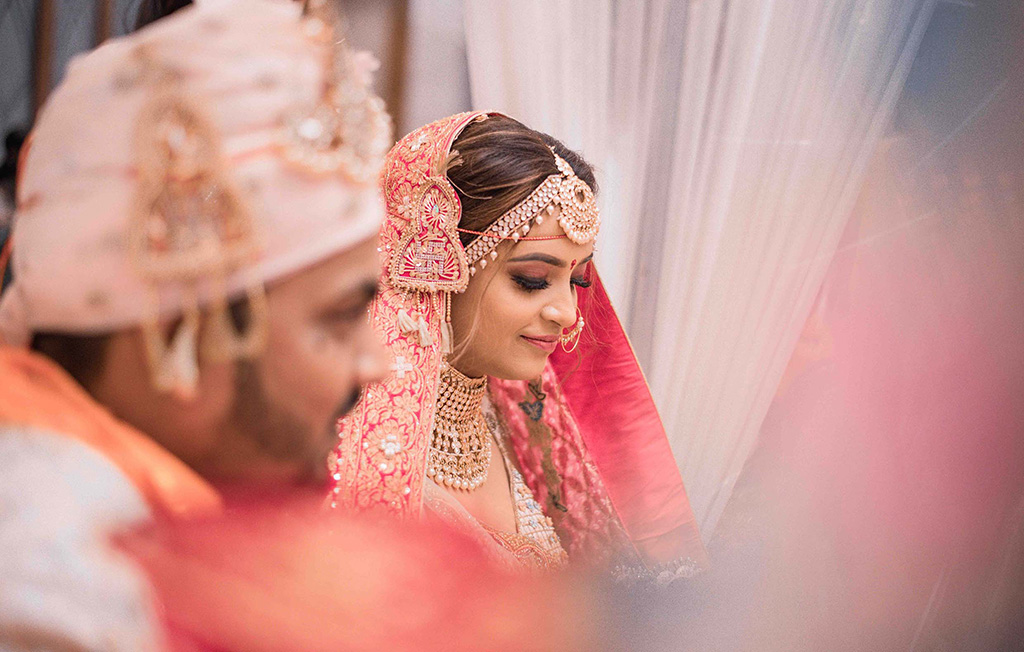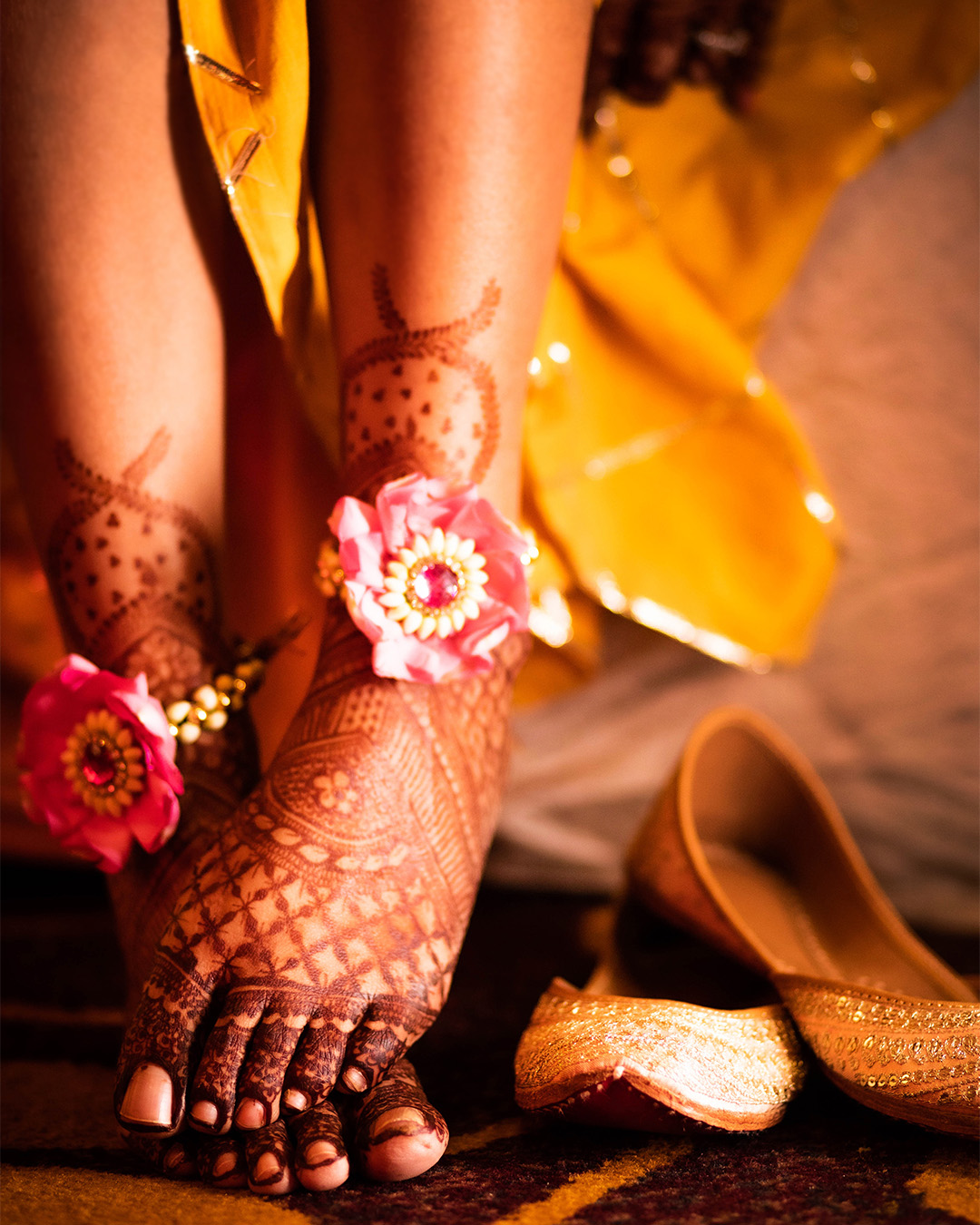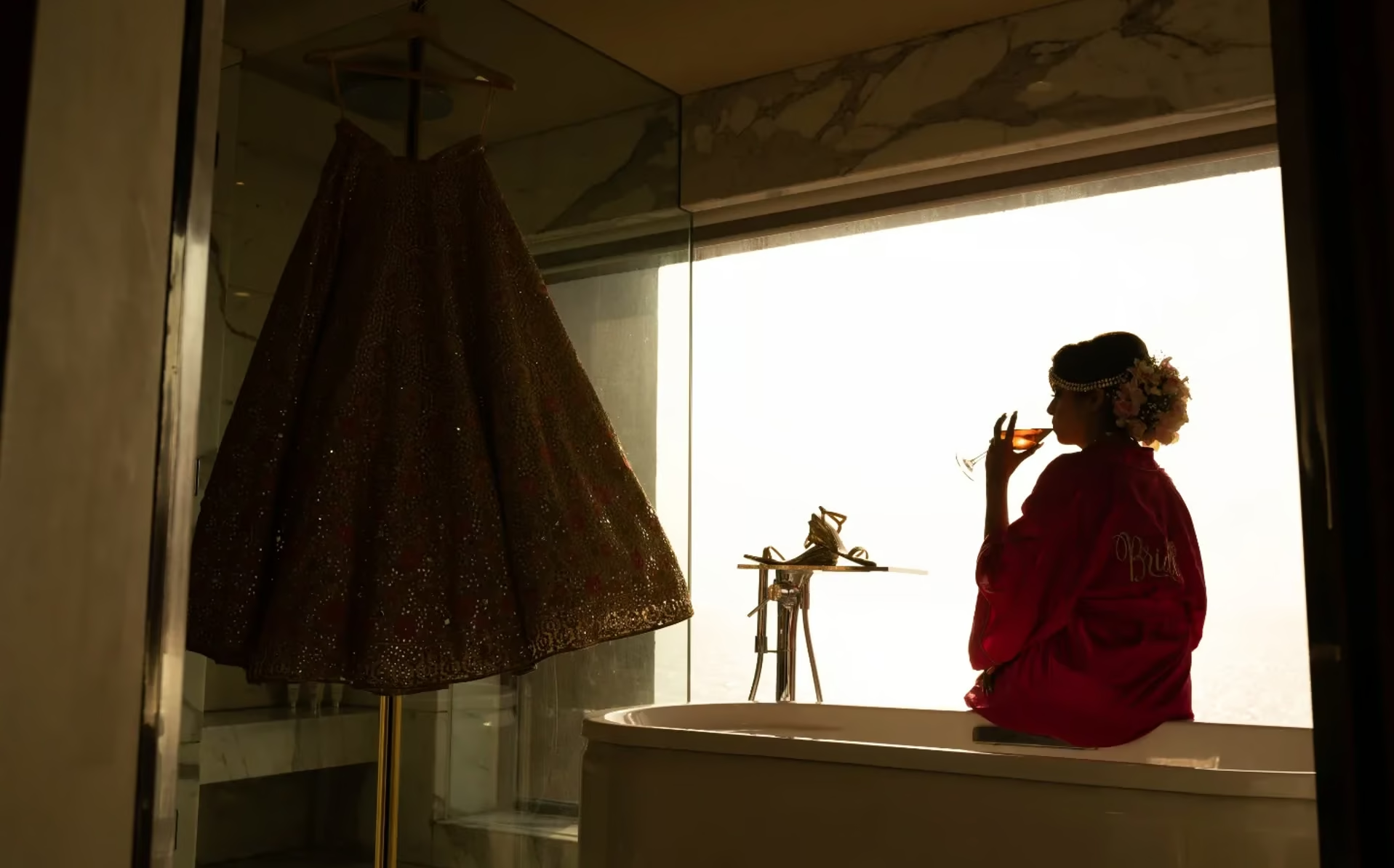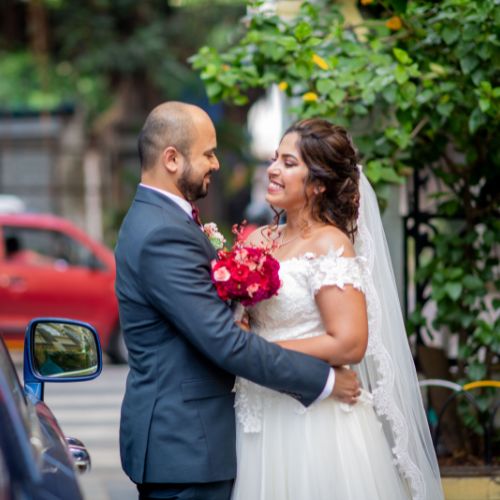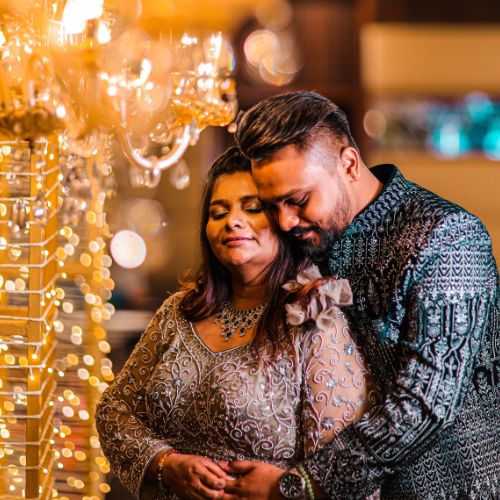
wedding photography is an ever-evolving art form, characterized by various styles that cater to diverse tastes and preferences. Each style offers a unique perspective, allowing couples to choose how they wish their special day to be captured. This article explores the different styles of wedding photography, detailing their characteristics, advantages, and why they appeal to different personalities.
1. Traditional wedding photography
Overview: Traditional wedding photography also known as classic photography, focuses on posed portraits and formal group shots. This style is structured and methodical, ensuring that all significant moments and people are captured.
Key Features:
- Posed shots of the couple, family, and wedding party.
- Photographs of key moments such as the exchange of vows, ring ceremony, and cutting the cake.
- Emphasis on timeless, formal compositions.
Advantages:
- Guarantees that all important moments are documented.
- Ideal for creating photo albums and family portraits.
- Offers a sense of elegance and tradition.
Who It Appeals To: Couples who value tradition and prefer a polished, formal look for their wedding photos.
2. Photojournalistic wedding photography
Overview: Photojournalistic, or documentary wedding photography, captures candid and spontaneous moments as they unfold. The focus is on telling a story through natural, unposed images.
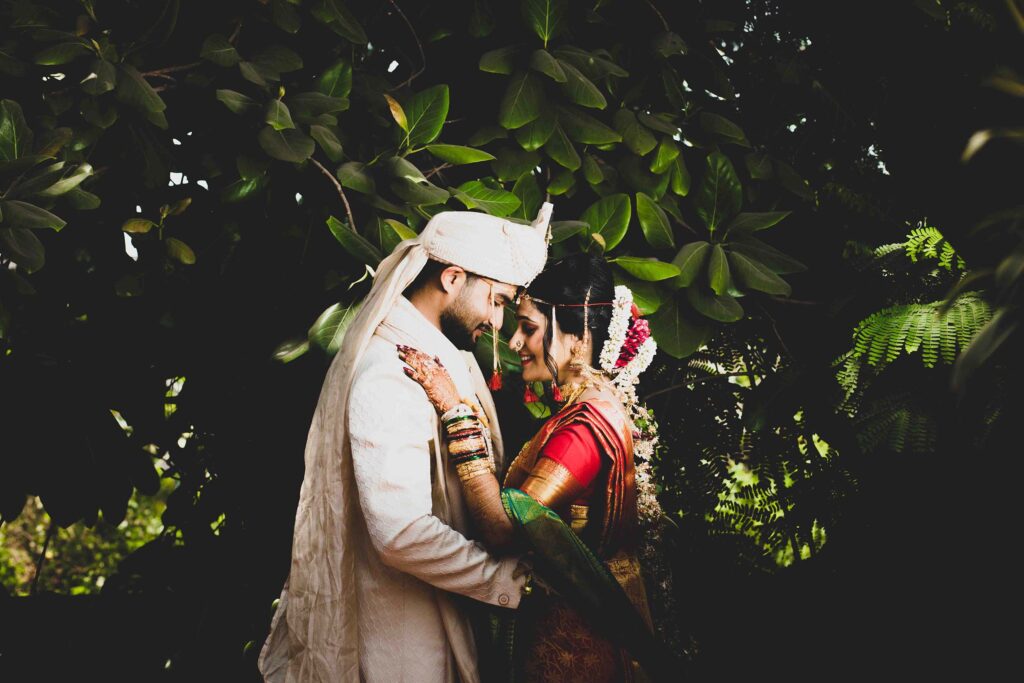
Key Features:
- Emphasis on genuine emotions and interactions.
- Minimal interference or direction from the photographer.
- A chronological narrative of the day.
Advantages:
- Captures the raw and authentic essence of the wedding.
- Provides a more relaxed and stress-free experience for the couple.
- Creates a narrative that feels genuine and heartfelt.
Who It Appeals To: Couples who prioritize authenticity and want their photos to reflect the true emotions and atmosphere of their wedding day.
3. Fine Art wedding photography
Overview: Fine art wedding photography is a creative and artistic approach, often resembling high-end fashion or editorial wedding photography. It combines technical skill with artistic vision to produce stunning, visually striking images.
Key Features:
- Use of unique compositions, lighting, and angles.
- Focus on beauty and aesthetics.
- Incorporation of artistic elements such as reflections, shadows, and color contrasts.
Advantages:
- Produces images that are both beautiful and unique.
- Often results in dramatic and memorable photographs.
- Allows for a high degree of personalization and creativity.
Who It Appeals To: Couples who appreciate art and want their wedding photos to be visually captivating and distinct.
4. Contemporary wedding photography
Overview: Contemporary wedding photography is modern and stylish, inspired by fashion and editorial shoots. It often features dramatic poses, vibrant colors, and creative backdrops.
Key Features:
- Trendy and fashionable poses.
- Use of bold colors and modern settings.
- Incorporation of props and accessories.
Advantages:
- Offers a chic and glamorous aesthetic.
- Great for couples who enjoy experimenting with trendy and fashionable styles.
- Ideal for creating statement photos that stand out.
Who It Appeals To: Couples who want a trendy, Instagram-worthy collection of wedding photos that reflect their modern taste.
5. Vintage wedding photography
Overview: Vintage wedding photography evokes a sense of nostalgia, using props, filters, and editing techniques to create a timeless, romantic vibe.
Key Features:
- Soft, muted tones and sepia filters.
- Use of vintage props such as old cars, lace, and antique furniture.
- Styling that reflects past eras.
Advantages:
- Creates a dreamy and romantic atmosphere.
- Perfect for weddings with vintage or rustic themes.
- Adds a unique and personal touch to the photos.
Who It Appeals To: Couples who love nostalgia and want their photos to reflect a timeless, classic charm.
6. Black and White wedding photography
Overview: Black and white wedding photography emphasizes emotions and contrasts by removing color distractions. It is often used in combination with other styles to highlight certain moments.
Key Features:
- Focus on light, shadow, and texture.
- Creates a timeless and elegant look.
- Often used to highlight emotions or significant moments.
Advantages:
- Timeless and classic aesthetic.
- Adds depth and emotion to the photos.
- Works well for dramatic and intimate moments.
Who It Appeals To: Couples who appreciate simplicity and elegance and want their photos to have an enduring appeal.
7. Destination wedding photography
Overview: Destination wedding photography focuses on capturing the unique beauty of exotic locations while documenting the wedding celebration. It blends traditional or photojournalistic styles with scenic backdrops.
Key Features:
- Incorporation of breathtaking landscapes and local culture.
- Often includes pre- and post-wedding shoots.
- Use of natural light and vibrant colors.
Advantages:
- Highlights the beauty of the location alongside the wedding.
- Creates stunning and unforgettable images.
- Perfect for adventurous couples.
Who It Appeals To: Couples who choose unique destinations for their wedding and want to showcase the beauty of their chosen locale.
8. Drone wedding photography
Overview: Drone wedding photography uses aerial shots to capture unique perspectives of the wedding venue, ceremony, and surroundings. It adds a cinematic touch to the wedding album.
Key Features:
- Aerial views of the venue and event.
- Dramatic shots of outdoor settings.
- Combines photography and videography for a cinematic effect.
Advantages:
- Provides a fresh and unique perspective.
- Great for outdoor and destination weddings.
- Captures the grandeur of large-scale weddings.
Who It Appeals To: Couples who want an innovative and dynamic addition to their wedding album.
9. Editorial wedding photography
Overview: Editorial wedding photography is inspired by magazine-style shoots, emphasizing glamour and storytelling. It often incorporates planned poses and stylish compositions.
Key Features:
- Focus on storytelling with a glamorous touch.
- High-fashion poses and dramatic lighting.
- Attention to detail and styling.
Advantages:
- Results in sophisticated and polished images.
- Perfect for couples who love a high-fashion aesthetic.
- Adds a professional, magazine-like quality to the photos.
Who It Appeals To: Couples who want their wedding photos to resemble a high-fashion editorial spread.
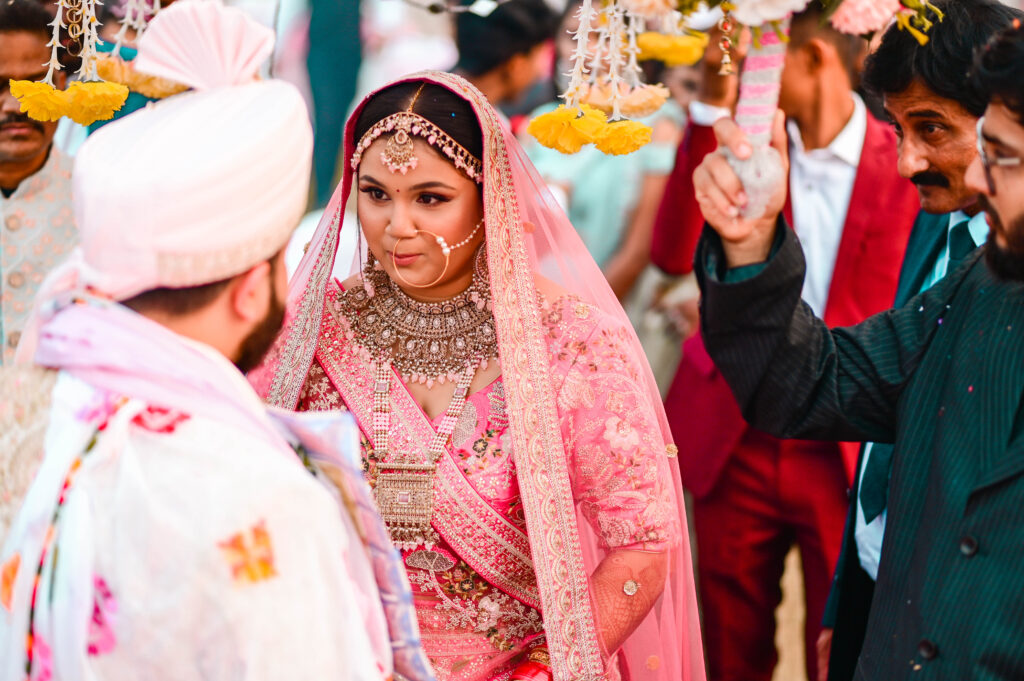
wedding photography is the art and craft of capturing the special moments, emotions, and details of a wedding day. It serves as a visual narrative of one of the most significant milestones in a couple’s life. wedding photography goes beyond simply taking pictures; it is about creating memories that couples, their families, and future generations can cherish forever.
Key Elements of wedding photography
- Capturing Emotions: wedding photography captures the authentic emotions of the day, from the bride’s tears of joy to the groom’s expressions of happiness. These photos tell a story of love, connection, and celebration.
- Preserving Details: From the intricate designs of the wedding dress and decor to the exchange of rings, photography ensures every small detail is documented.
- Celebrating Relationships: wedding photography captures the bonds between family members, friends, and the couple. Group shots and candid moments reflect the joy shared by all attendees.
- Creating a Legacy: Wedding photographs become heirlooms, passed down through generations, allowing families to reflect on their history and heritage.
The Role of wedding photography
wedding photography are responsible for more than just taking pictures. They must have technical expertise, creative vision, and the ability to connect with people. Their role includes:
- Planning and Preparation: Discussing with the couple their expectations and preferences, scouting the venue, and understanding the wedding schedule.
- Technical Skills: Using appropriate equipment and techniques to handle various lighting conditions, compositions, and settings.
- Post-Processing: Editing photos to enhance their quality and artistic appeal, ensuring the final collection meets the couple’s expectations.
Importance of wedding photography
- Timeless Memories: wedding photography immortalizes moments that are fleeting, ensuring that even the smallest gestures are preserved.
- Emotional Resonance: Photos evoke nostalgia and allow couples to relive their special day repeatedly.
- Cultural Significance: In many cultures, wedding photos are an essential part of the event, reflecting traditions, customs, and values.
Styles of wedding photography
wedding photography varies based on the style chosen by the couple. Popular styles include:
- Traditional: Focused on posed and formal shots.
- Photojournalistic: Captures candid, unscripted moments.
- Fine Art: Artistic and creative compositions.
- Contemporary: Modern and stylish, inspired by fashion.
- Vintage: Nostalgic and timeless aesthetic.
Step 1: Master the Craft
1.1 Develop Technical Skills wedding photography
Before marketing your services, ensure your photography skills are refined. Key areas to focus on include:
- Camera Mastery: Understand manual settings like ISO, aperture, and shutter speed.
- Lighting Techniques: Practice using natural light, flash, and reflectors.
- Composition: Learn rules of framing, symmetry, and storytelling through visuals.
- Post-Processing: Master photo editing software such as Adobe Lightroom and Photoshop.
1.2 Build a Portfolio
A strong portfolio is your most effective marketing tool. To build one:
- Offer free or discounted shoots for friends or family.
- Collaborate with wedding planners or stylists to create styled shoots.
- Showcase a variety of styles, including candid moments, posed portraits, and detail shots.
Step 2: Define Your Brand
2.1 Establish Your Unique Style wedding photography
Identify what sets you apart. Whether it’s your artistic approach, editing style, or ability to capture emotions, make this a hallmark of your brand.
2.2 Create a Professional Identity wedding photography
- Logo and Name: Develop a memorable business name and logo.
- Website: Build a clean, visually appealing website that includes your portfolio, about section, and contact information.
- Social Media Presence: Use platforms like Instagram and Pinterest to share your work and engage with potential clients.
Step 3: Build a Reputation
3.1 Provide Exceptional Client Experiences wedding photography
Word-of-mouth recommendations are invaluable in the wedding industry. To foster them:
- Communicate clearly and promptly with clients.
- Go above and beyond during shoots to make clients feel special.
- Deliver high-quality images on time.
3.2 Network Within the Industry
- Collaborate with Vendors: Build relationships with wedding photography planners, florists, venues, and makeup artists.
- Attend Wedding Shows: Showcase your work at bridal expos to connect with potential clients and industry peers.
- Join Professional Associations: Membership in groups like the Wedding & Portrait Photographers International (WPPI) can enhance credibility.
3.3 Collect and Showcase Reviews wedding photography
Ask satisfied clients to leave testimonials on platforms like Google, Yelp, or your website. Positive reviews can significantly influence potential clients.
Step 4: Market Effectively
4.1 Use Digital Marketing wedding photography
- SEO: Optimize your website to rank for local wedding photography keywords.
- Social Media Ads: Run targeted ads on Instagram and Facebook.
- Blogging: Write articles about wedding photography tips or showcase recent shoots to attract organic traffic.
4.2 Partner with Wedding Platforms
List your services on popular wedding photography directories such as The Knot or WeddingWire.
4.3 Offer Referral Discounts
Encourage past clients to refer new business by offering discounts or perks.
Step 5: Financial Planning and Growth
5.1 Price Your Services Strategically wedding photography
Start with competitive pricing to build your client base, then gradually increase rates as your reputation grows.
5.2 Diversify Revenue Streams wedding photography
- Offer prints, albums, and other products.
- Provide engagement or anniversary shoots.
- Conduct wedding photography workshops for aspiring photographers.
5.3 Invest in Your Business wedding photography
Reinvest a portion of your profits into better equipment, marketing, and education to continuously improve.
Step 6: Expand and Evolve
6.1 Hire and Train Assistants
As demand grows, consider hiring second shooters or assistants to manage larger events.
6.2 Stay Current
Trends in wedding photography evolve. Attend workshops, follow industry blogs, and experiment with new techniques to stay relevant.
6.3 Scale Your Business
Expand your reach by offering destination wedding photography or launching a team of photographers under your brand.
Conclusion
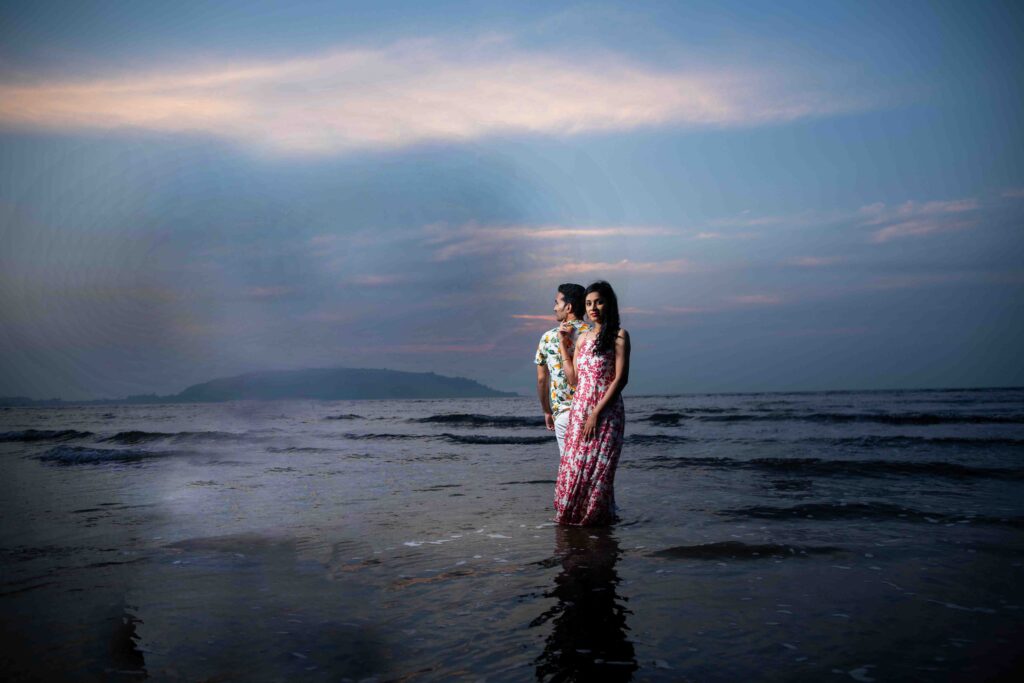
wedding photography is a vital part of any wedding celebration. It ensures that the emotions, beauty, and essence of the day are captured and preserved for future reflection. By blending technical skills with artistic creativity, wedding photography create a visual legacy of love and commitment.
The diverse styles of wedding photography offer something for everyone, ensuring that every couple can find a style that resonates with their personality and vision. Whether you prefer the timeless elegance of traditional wedding photography, the authenticity of photojournalistic shots, or the artistic flair of fine art images, wedding photography allows you to preserve the memories of your special day in a way that reflects your unique love story. By understanding the various styles, couples can make an informed choice and ensure their wedding photos are a beautiful and meaningful reflection of their celebration.