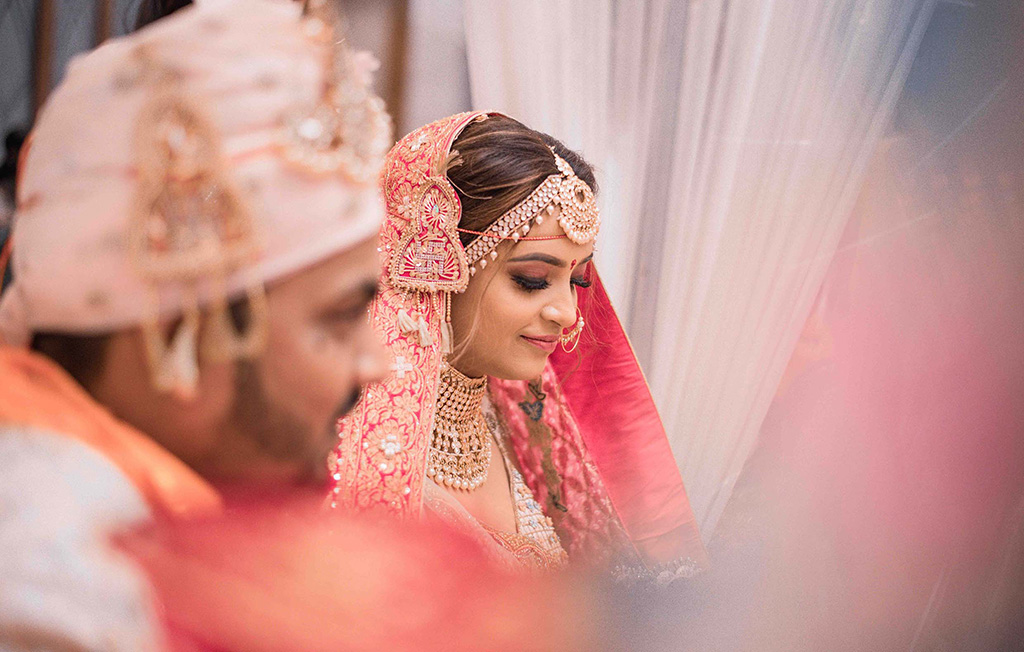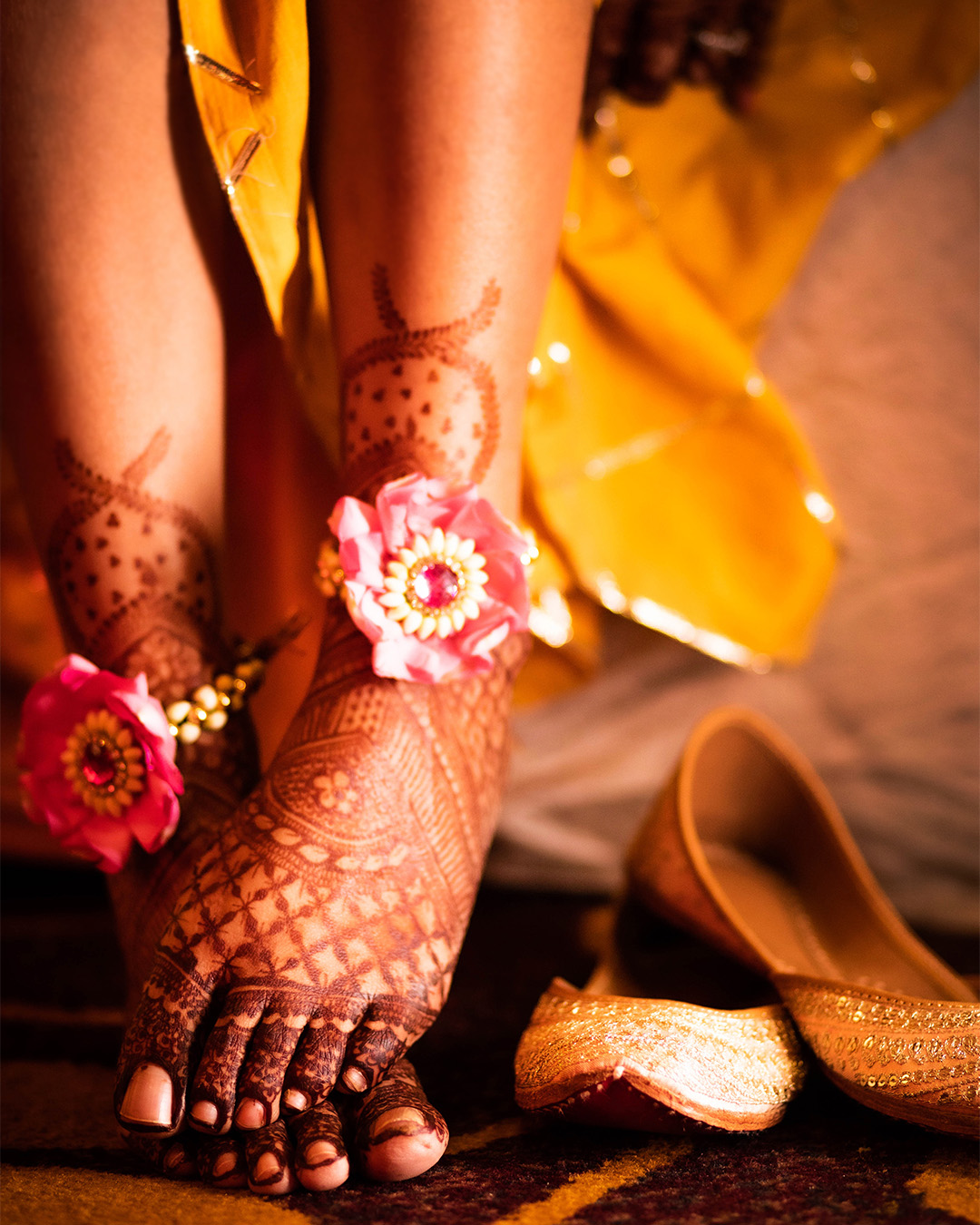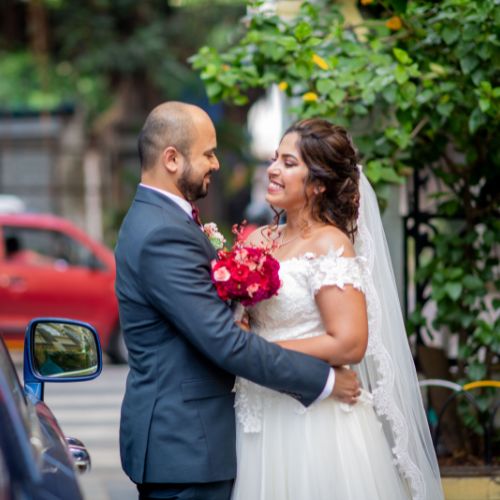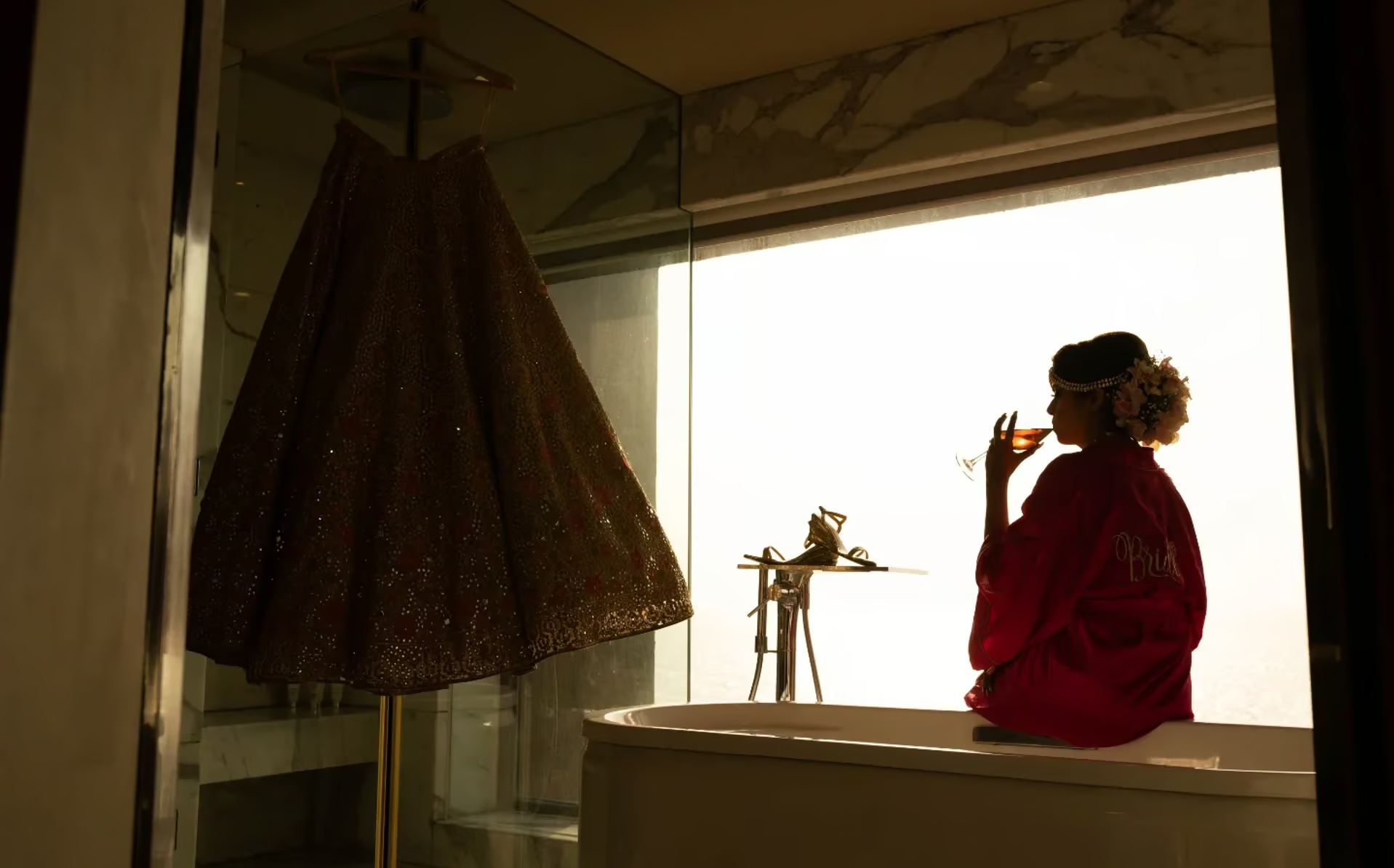
wedding photography is an integral part of modern weddings, immortalizing one of the most cherished days of a couple’s life. The stakes are high, as couples invest significant time, emotion, and money to ensure their big day is documented beautifully. However, with high expectations comes the potential for disappointment. This discussion explores the risk of disappointment in wedding photography, analyzing the causes, the impact, and strategies to enhance the positives while mitigating the negatives.
Understanding the Risk of Disappointment
The “risk of disappointment” in wedding photography arises when the final results fail to meet the couple’s expectations. This can occur for various reasons, ranging from miscommunication to technical failures. To better understand this risk, let us explore both the positive and negative aspects.
The Good Side of the Risk of Disappointment
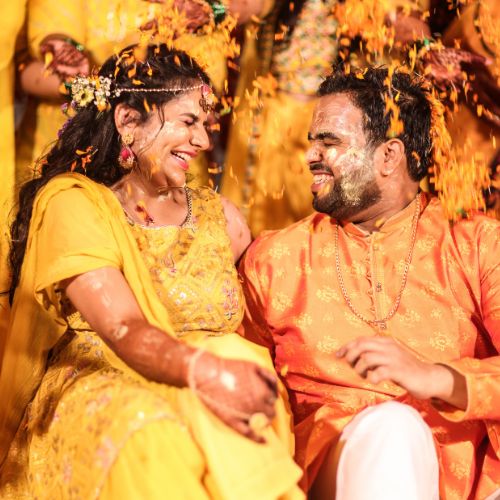
While disappointment is often perceived negatively, it can have constructive outcomes. Here are some positive aspects of addressing the risk of disappointment:
- Encourages Better Communication
- When couples are aware of the potential for disappointment, they are more likely to engage in detailed discussions with photographers. This fosters a mutual understanding of style preferences, key moments to capture, and any specific requirements.
- For example, a couple might express their desire for candid moments over traditional posed shots, ensuring the photographer aligns with their vision.
- Promotes Professional Growth
- For photographers, feedback on missed expectations provides an opportunity to learn and improve their craft. Constructive criticism can lead to refining techniques, better client interactions, and overall growth in their profession.
- Increases Awareness of Style Differences
- Highlighting the risk of disappointment encourages couples to research different photography styles. This exploration often leads to a better understanding of what resonates with them, whether it’s photojournalism, fine art, or traditional portraiture.
- Stimulates Realistic Expectations
- Awareness of potential risks helps couples set realistic expectations. Instead of expecting a magazine-style perfection in every frame, they might focus on the authenticity of emotions and the essence of the day.
- Encourages Backup Plans
- The fear of disappointment often leads to proactive measures, such as hiring a second photographer, ensuring proper lighting setups, or confirming equipment redundancy. These steps can significantly reduce the chances of failure.
The Negative Side of the Risk of Disappointment
Despite the potential positives, the risk of disappointment can have considerable drawbacks. Here are some of the negative aspects:
- Emotional Impact on the Couple
- Weddings are emotionally charged events, and any disappointment in photography can amplify feelings of regret. A missed moment, such as the first kiss or a special dance, might feel like an irreplaceable loss.
- Financial Loss
- Professional wedding photography is often a substantial investment. If the results do not meet expectations, couples may feel their money was wasted, adding financial strain to emotional distress.
- Damage to Photographer’s Reputation
- A dissatisfied client can harm a photographer’s reputation, especially in an era where online reviews and social media play a critical role in business success. A single negative review can deter potential clients.
- Strained Relationships
- Misunderstandings or unmet expectations can strain the relationship between the couple and the photographer. In extreme cases, legal disputes or refund requests may arise, creating additional stress for both parties.
- Missed Opportunities
- Disappointment often stems from missed opportunities, such as failing to capture spontaneous moments or omitting key family members in group portraits. These gaps can leave couples feeling their story was not fully told.
- Overemphasis on Perfection
- The pressure to avoid disappointment can lead to overdirected shoots, where the focus on achieving “perfect” photos overshadows the authenticity and natural flow of the day.
Common Causes of Disappointment in wedding photography
Understanding the root causes of disappointment can help couples and photographers prevent issues. Some common reasons include:
- Miscommunication
- A lack of clear communication about the desired style, key moments, or specific requests can result in unmet expectations.
- Inexperience
- Hiring an inexperienced photographer can lead to poor-quality images, missed moments, or technical errors.
- Technical Failures
- Equipment malfunctions, inadequate lighting, or improper camera settings can compromise the quality of photos.
- Unrealistic Expectations
- Expecting every shot to look like a professionally edited magazine cover can lead to disappointment when the final product reflects real-life imperfections.
- Time Constraints
- Tight schedules or delays in the wedding timeline can limit the photographer’s ability to capture all desired moments.
- Environmental Challenges
- Unpredictable weather, poor lighting conditions, or crowded venues can impact the quality of photos.
Strategies to Minimize Disappointment wedding photography
To reduce the risk of disappointment in wedding photography, both couples and photographers can adopt proactive measures:
For Couples wedding photography
- Conduct Thorough Research
- Review portfolios, check reviews, and meet with potential photographers to ensure their style aligns with your vision.
- Set Clear Expectations
- Provide a detailed list of must-have shots and discuss your preferences for style, mood, and editing.
- Discuss Backup Plans
- Ensure the photographer has contingency plans for equipment failure or unforeseen circumstances.
- Allocate Adequate Time
- Build flexibility into the schedule to allow the photographer sufficient time to capture key moments.
- Review Contracts Carefully
- Understand the terms of the agreement, including delivery timelines, editing processes, and refund policies.
For Photographers wedding photography
- Communicate Effectively
- Take the time to understand the couple’s vision and provide realistic expectations about what can be achieved.
- Prepare Thoroughly
- Visit the venue beforehand, test equipment, and have backups ready for critical components.
- Offer Previews
- Sharing a few edited images shortly after the wedding can reassure couples while they wait for the complete album.
- Seek Feedback
- Encourage honest feedback to identify areas for improvement and build stronger client relationships.
- Continuously Improve Skills
- Invest in ongoing education, workshops, and practice to stay updated on the latest techniques and trends.
wedding photography: Positives and Negatives
Positives
- Preservation of Memories: wedding photography captures fleeting moments, creating timeless keepsakes that couples can cherish forever.
- Emotional Impact: Photos evoke the emotions of the day, bringing back the joy, love, and excitement with every glance.
- Professional Quality: Skilled photographers ensure high-quality images with perfect lighting, composition, and editing.
- Creative Expression: Artistic photography styles, like candid or fine art, make the wedding album unique and personal.
- Documenting Details: From the décor to the smallest gestures, photography ensures no detail is forgotten.
- Shared Joy: Photos allow friends and family who couldn’t attend to feel part of the celebration.
Negatives
- Cost: Professional wedding photography can be expensive, sometimes consuming a significant part of the budget.
- Pressure for Perfection: The desire for flawless photos can add stress to the day for both the couple and the photographer.
- Intrusion: Photographers might unintentionally disrupt moments, especially during candid shots or key ceremonies.
- Risk of Disappointment: If expectations aren’t met, couples may feel let down by the final product.
- Dependence on Skill: A less experienced photographer might miss important moments or fail to deliver high-quality images.
- Overemphasis on Posing: Excessive focus on staged shots can detract from enjoying the natural flow of the day.
wedding photography Description
wedding photography is the art of capturing the magic and emotion of one of the most significant days in a couple’s life. It blends technical expertise with creative vision to document every heartfelt moment, from intimate glances to joyous celebrations.
- Preparation Shots: Capturing the anticipation and excitement as the couple gets ready.
- Ceremony Coverage: Documenting vows, exchanges of rings, and the first kiss in an unobtrusive yet artistic manner.
- Candid Moments: Freezing spontaneous laughter, tears of joy, and heartfelt interactions with loved ones.
- Portraits: Creating timeless images of the couple, bridal party, and family through posed and naturally lit shots.
- Reception Highlights: Capturing speeches, the first dance, and lively celebrations.
wedding photography often incorporates various styles, such as photojournalistic storytelling, fine art, and traditional portraiture, tailored to the couple’s preferences. The goal is to create a visual narrative that allows the couple to relive their special day for years to come.
wedding photography is a vital part of every wedding celebration, as it immortalizes the moments, emotions, and details of one of the most significant days in a couple’s life. It goes beyond simply taking pictures; it creates a tangible memory that can be cherished and revisited for years to come.
Why wedding photography is Essential
- Preserving Special Moments: A wedding day is filled with fleeting moments—exchanging vows, the first kiss, or a heartfelt toast. wedding photography ensures these moments are captured forever.
- Documenting Details: Every wedding is unique, with intricate decorations, personalized themes, and meaningful traditions. wedding photography captures these details, preserving the hard work and creativity of the day.
- Emotional Connection: Wedding photos evoke deep emotions, allowing couples to relive the joy, laughter, and love of their special day.
- Family Heirloom: Wedding photos often become treasured family heirlooms, passed down through generations, connecting families to their heritage.
- Telling a Story: Through a blend of posed and candid shots, wedding photography narrates the couple’s love story and the essence of the celebration.
The Role of a wedding photography
A wedding photography plays a crucial role in ensuring the success of this preservation process. They must:
- Understand the Couple’s Vision: Collaborate with the couple to capture their desired style and important moments.
- Adapt to Challenges: Handle various lighting conditions, weather changes, and unpredictable events with ease.
- Provide Artistic Value: Create visually stunning and emotionally impactful photos through composition, lighting, and editing.
Styles of wedding photography
Couples can choose from various styles to suit their preferences:
- Traditional: Focuses on formal, posed portraits and significant moments.
- Photojournalistic: Captures natural, candid moments to tell an authentic story.
- Fine Art: Emphasizes creativity and aesthetic beauty.
- Contemporary: Incorporates modern, stylish elements.
- Drone Photography: Provides breathtaking aerial views of the venue and event.
The Long-Term Importance
wedding photography is not just about the present; its value grows with time. It allows couples to reflect on their journey and share their memories with future generations. As trends and technology evolve, the timeless nature of a well-captured wedding photo remains constant, making it a cornerstone of any wedding celebration.
In conclusion, wedding photography is a vital part of commemorating love, connection, and the joy of a wedding day. It is an investment in memories that last a lifetime, offering a beautiful reminder of the bonds shared and the start of a new chapter.
Step 1: Master the Craft wedding photography
1.1 Develop Technical Skills
Before marketing your services, ensure your wedding photography skills are refined. Key areas to focus on include:
- Camera Mastery: Understand manual settings like ISO, aperture, and shutter speed.
- Lighting Techniques: Practice using natural light, flash, and reflectors.
- Composition: Learn rules of framing, symmetry, and storytelling through visuals.
- Post-Processing: Master photo editing software such as Adobe Lightroom and Photoshop.
1.2 Build a Portfolio
A strong portfolio is your most effective marketing tool. To build one:
- Offer free or discounted shoots for friends or family.
- Collaborate with wedding planners or stylists to create styled shoots.
- Showcase a variety of styles, including candid moments, posed portraits, and detail shots.
Step 2: Define Your Brand
2.1 Establish Your Unique Style
Identify what sets you apart. Whether it’s your artistic approach, editing style, or ability to capture emotions, make this a hallmark of your brand.
2.2 Create a Professional Identity
- Logo and Name: Develop a memorable business name and logo.
- Website: Build a clean, visually appealing website that includes your portfolio, about section, and contact information.
- Social Media Presence: Use platforms like Instagram and Pinterest to share your work and engage with potential clients.
Step 3: Build a Reputation wedding photography
3.1 Provide Exceptional Client Experiences
Word-of-mouth recommendations are invaluable in the wedding industry. To foster them:
- Communicate clearly and promptly with clients.
- Go above and beyond during shoots to make clients feel special.
- Deliver high-quality images on time.
3.2 Network Within the Industry
- Collaborate with Vendors: Build relationships with wedding planners, florists, venues, and makeup artists.
- Attend Wedding Shows: Showcase your work at bridal expos to connect with potential clients and industry peers.
- Join Professional Associations: Membership in groups like the Wedding & Portrait Photographers International (WPPI) can enhance credibility.
3.3 Collect and Showcase Reviews
Ask satisfied clients to leave testimonials on platforms like Google, Yelp, or your website. Positive reviews can significantly influence potential clients.
Step 4: Market Effectively wedding photography
4.1 Use Digital Marketing
- SEO: Optimize your website to rank for local wedding photography keywords.
- Social Media Ads: Run targeted ads on Instagram and Facebook.
- Blogging: Write articles about wedding photography tips or showcase recent shoots to attract organic traffic.
4.2 Partner with wedding photography Platforms
List your services on popular wedding directories such as The Knot or WeddingWire.
4.3 Offer Referral Discounts
Encourage past clients to refer new business by offering discounts or perks.
Step 5: Financial Planning and Growth wedding photography
5.1 Price Your Services Strategically
Start with competitive pricing to build your client base, then gradually increase rates as your reputation grows.
5.2 Diversify Revenue Streams
- Offer prints, albums, and other products.
- Provide engagement or anniversary shoots.
- Conduct photography workshops for aspiring photographers.
5.3 Invest in Your Business
Reinvest a portion of your profits into better equipment, marketing, and education to continuously improve.
Step 6: Expand and Evolve wedding photography
6.1 Hire and Train Assistants
As demand grows, consider hiring second shooters or assistants to manage larger events.
6.2 Stay Current
Trends in wedding photography evolve. Attend workshops, follow industry blogs, and experiment with new techniques to stay relevant.
6.3 Scale Your Business
Expand your reach by offering destination wedding photography or launching a team of photographers under your brand.
Conclusion
The risk of disappointment in wedding photography is a double-edged sword. While it underscores the high expectations and emotional investment in preserving wedding memories, it also highlights the importance of communication, preparation, and professionalism. By addressing potential pitfalls proactively, couples and photographers can work together to create a positive experience and ensure that the final photos become cherished mementos of a joyous occasion.