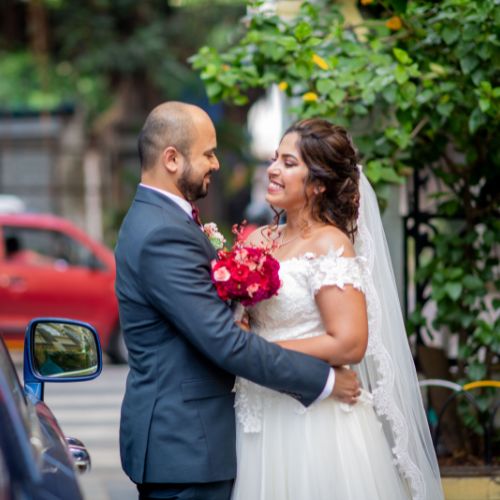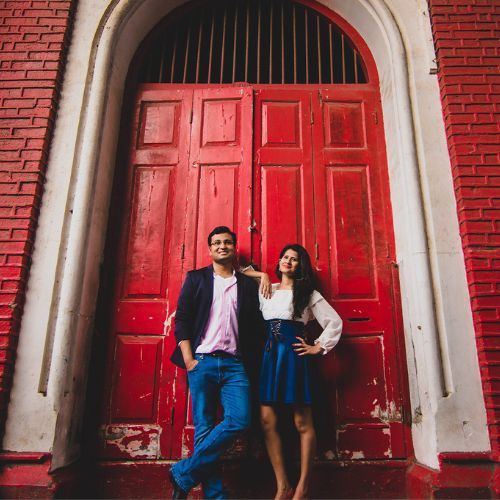
wedding photography is an essential part of capturing the magic of one of the most important days in a person’s life. A wedding day is filled with emotion, joy, and unforgettable moments, and it’s the wedding photographer’s job to immortalize those moments. Over the years, wedding photography has evolved significantly, incorporating new trends, styles, and technology. This article will explore the various aspects of wedding photography, including its importance, types of photography styles, key elements that make up a successful wedding photo shoot, and tips for both photographers and couples to make the most out of their experience.
wedding photography is not just about taking pictures; it’s about capturing the essence and emotion of the day. These images are the memories that couples and their families will cherish for a lifetime. The photographer is tasked with documenting everything from the bridal preparations to the first kiss, the exchange of vows, and the reception celebrations.
For many couples, wedding photography is one of the most significant investments they make when planning their wedding. The photographs taken will serve as a reminder of the love, joy, and celebration that occurred on that special day. The right wedding photographer has the ability to freeze time, preserving memories that otherwise might fade with time.
wedding photography also plays an important role in telling the couple’s story. Through skillful composition, lighting, and timing, photographers can create images that reflect the personalities and emotions of the couple. Every couple has a unique relationship, and wedding photography allows them to express their love and connection visually.
Types of Wedding Photography Styles
wedding photography is not a one-size-fits-all approach. There are many different styles of wedding photography, and couples must choose the style that best suits their preferences and personalities. Some of the most popular wedding photography styles include:
- Traditional/Classic wedding photography Traditional wedding photography is characterized by posed portraits and group photos. The photographer directs the couple, bridal party, and guests to create structured, formal images. These images tend to be timeless and elegant, focusing on capturing important moments such as the first look, the wedding ceremony, and family portraits. While many couples opt for a blend of styles today, traditional photography remains a staple in many weddings.
- Documentary/Photojournalistic Wedding Photography Documentary wedding photography is often called “photojournalistic” because the photographer takes a more hands-off approach to capture the events of the day as they unfold. Rather than directing or staging shots, documentary photographers focus on candid moments and natural expressions, telling the story of the wedding through their lens. This style is particularly appealing for couples who want to relive the events and emotions of the day without heavy direction or posed images.
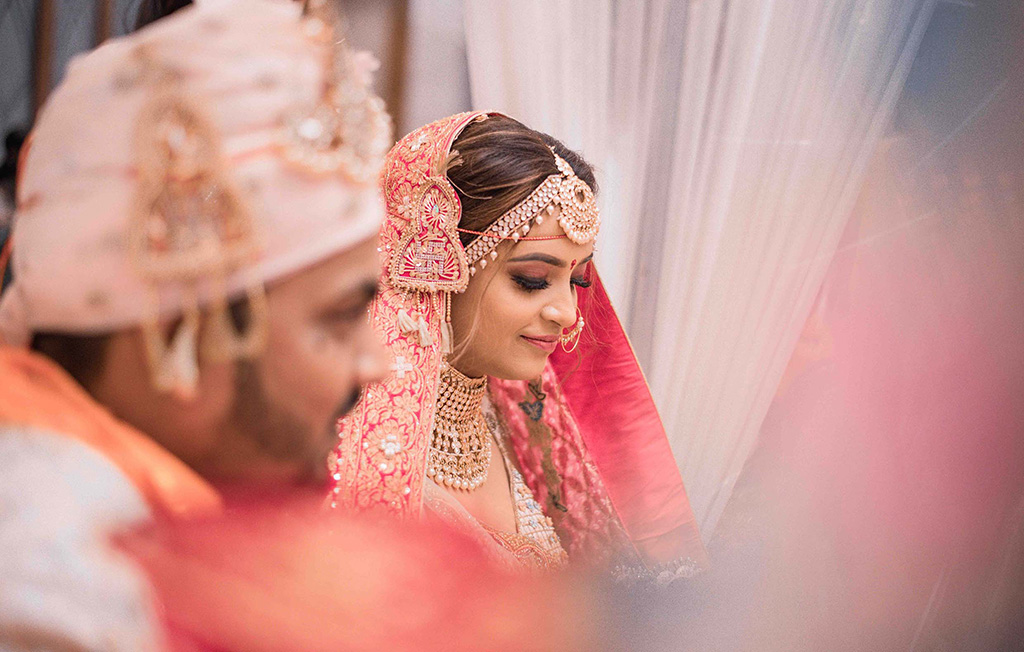
- Fine Art wedding photography Fine art wedding photography emphasizes artistic composition, lighting, and creative shots. Photographers in this style aim to capture beautiful and emotionally charged images that resemble works of art. Fine art photographers often use techniques like soft-focus, unique angles, and natural light to create dreamlike, cinematic images. This style is ideal for couples looking for a more stylized and artistic approach to their wedding photos.
- Contemporary Wedding Photography Contemporary wedding photography blends modern aesthetics with traditional elements. This style is known for its fashion-forward approach, incorporating unique compositions, bold colors, and modern editing techniques. Couples who choose this style want their photos to reflect current trends while still preserving some of the timeless elements of traditional wedding photography.
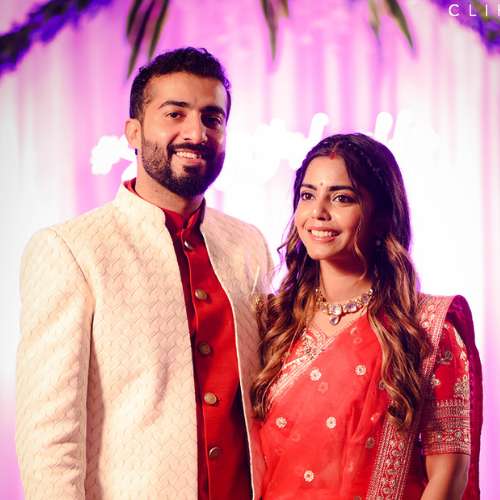
- Lifestyle Wedding Photography Lifestyle wedding photography captures the couple’s natural interactions in a more casual and laid-back manner. The emphasis is on documenting the couple’s connection and emotions in an authentic way. The focus is less on the formalities of the wedding and more on capturing candid moments between the bride, groom, and their guests. It is a relaxed, easy-going approach to capturing a wedding, often featuring relaxed poses and lifestyle shots.
- Destination wedding photography Destination weddings take place in exotic or remote locations, such as a beach, vineyard, or historical landmark. Destination wedding photographers are skilled in adapting to the unique surroundings of the venue and capturing both the couple and the beauty of the location. This style often combines elements of documentary, fine art, and contemporary wedding photography, creating a unique blend of romance and adventure.
Key Elements of wedding photography
A successful wedding photography session involves several key elements that photographers must consider. These include:
- Lighting Lighting is one of the most crucial aspects of wedding photography. Natural light is often preferred, especially for outdoor or daytime weddings, as it creates soft, flattering images. However, wedding photography are also skilled in managing artificial lighting to ensure the best results in indoor or low-light conditions, such as during evening receptions. Proper lighting can make a huge difference in the final quality of the images.
- Composition Composition refers to how the photographer frames and arranges elements within the image. A well-composed photo has a balance of visual elements that guide the viewer’s eye to the focal point. Good composition is essential in wedding photography to ensure that the final images are both aesthetically pleasing and meaningful.
- Timing Timing is especially critical in wedding photography Some moments, like the first kiss, the cutting of the cake, or the bouquet toss, happen only once during the day, and capturing them at the right moment is crucial. Experienced wedding photographers know when to be ready for the big moments and when to step back to capture the quieter, more intimate ones.
- Storytelling A wedding is a story in itself, and wedding photographers are tasked with telling that story through their images. This includes not only the big moments, but also the smaller, more personal ones. Photographers must capture the emotion and ambiance of the day, creating a narrative that the couple can relive through their wedding album.
- Post-Processing and Editing Post-processing and editing are the final steps in wedding photography. After the photos are taken, photographers often spend hours editing them to enhance the colors, contrast, and overall mood. Editing can also involve retouching, cropping, and removing distractions to create polished, professional images. The editing process helps bring out the best in each photo, ensuring that the final product is a stunning collection of images that reflect the couple’s wedding day.
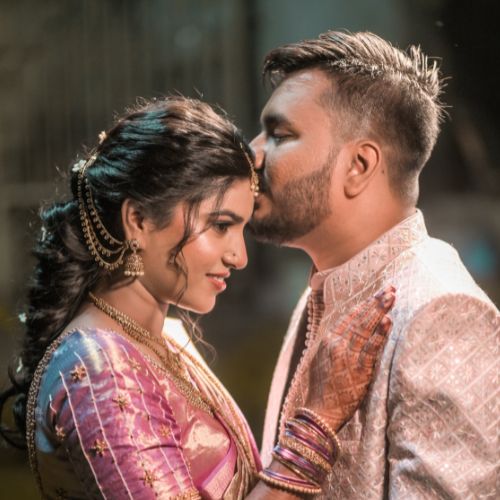
Tips for Couples Planning Their Wedding Photography
For couples planning their wedding photography, there are several important considerations that can help ensure they get the best results:
- Research Your Photographer It’s important to carefully research potential wedding photographers. Look at their portfolios to see if their style aligns with your vision. Reading reviews and testimonials from previous clients can also give you insight into their professionalism and the quality of their work. Schedule an in-person meeting or consultation to ensure that you feel comfortable with the photographer.
- Create a Shot List While photographers often have their own shot lists, it can be helpful to provide them with a list of specific photos you’d like to have. This can include important family photos, particular moments, or any special traditions that are part of your wedding day. Having a clear shot list ensures that important moments are not missed.
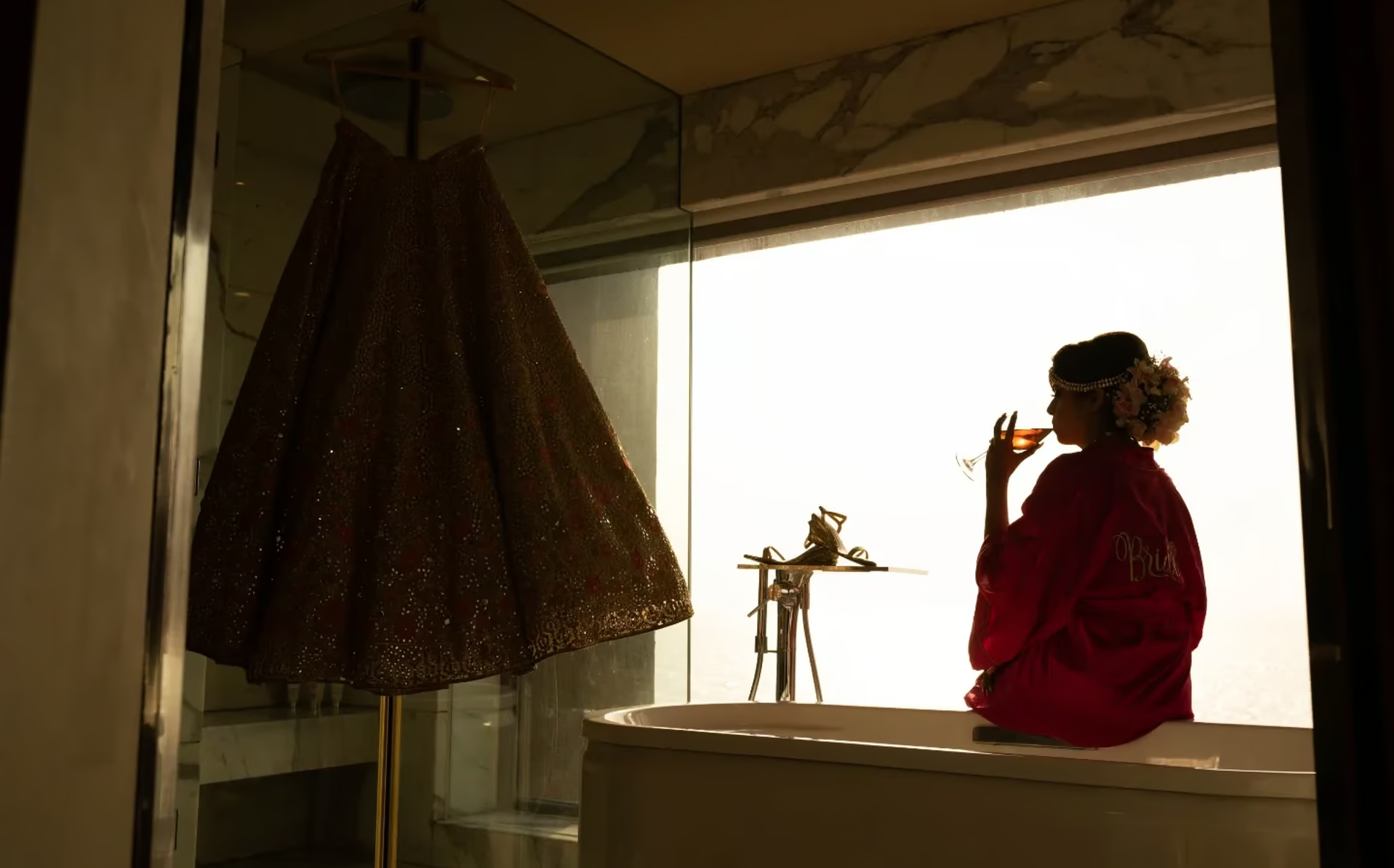
- Consider the Time of Day The time of day can affect the quality of your wedding photos. If you’re planning a wedding outdoors, the golden hour (the hour before sunset) is often considered the best time for wedding portraits because of the soft, warm lighting. For indoor weddings, make sure the venue has good lighting or discuss lighting options with your photographer.
- Trust Your Photographer It’s important to trust your photographer’s expertise. While you may have certain ideas or poses in mind, remember that your photographer has the experience to know what works best in any given situation. Let them guide you through the day, and they will capture beautiful, genuine moments.
- Be Relaxed and Enjoy the Moment One of the most important tips for couples is to relax and enjoy the day. The best wedding photos often happen when the couple is not focused on posing or being perfect, but simply enjoying each other’s company. Candid moments, laughter, and intimate glances often result in the most memorable and beautiful images.
1. Professional Expertise
Photographers have years of training and experience in capturing moments in a way that tells a compelling visual story. They have honed their skills in composition, lighting, timing, and posing, often working with hundreds of couples over the years. When you hire a wedding photographer, you’re not just hiring someone to take pictures — you’re bringing on a skilled professional who knows how to make the most of your unique wedding day setting and the personalities of you and your guests.
Photographers also understand the technical aspects of their craft. From understanding lighting conditions (whether indoors, at night, or outdoors in full sunlight) to managing the camera settings to create the perfect shot, their expertise allows them to get the right images at the right time. By trusting their judgment, you’re allowing them to do what they do best, which means you’ll likely end up with images that far exceed what you could have achieved if you were to micromanage the process.
2. Reducing Stress
Weddings can be stressful events, with many moving parts and moments to coordinate. As a couple, the last thing you want to worry about is whether the photographer is getting the shots you want or whether they are working efficiently behind the scenes. By trusting your photographer, you can reduce stress and focus on the joy of the occasion.
When you trust your photographer to take control of the visual documentation of your wedding day, you free yourself from worrying about specific poses, moments, or even the flow of the photography session. Instead, you can immerse yourself in the experience, knowing that your photographer has everything under control. A professional wedding photographer is adept at working within the schedule, staying organized, and capturing moments without causing delays or distractions.
Trusting your photographer also means that you’re giving them the freedom to direct you and your bridal party. Whether it’s posing for portraits, arranging the guests for a group shot, or capturing you in an intimate moment, your photographer’s direction will often produce the most flattering and beautiful images. Photographers are trained to know what looks good on camera and how to make you feel natural and at ease in front of the lens.
3. Capture Candid, Natural Moments
One of the most magical parts of wedding photography is the ability to capture raw, authentic moments. Candid photographs can often be the most meaningful and beautiful ones because they reflect the true emotions of the day — the joy of the bride and groom, the laughter of the guests, and the special connections between family members. However, these moments can only be captured when the photographer is given the space to work without interference.
Trusting your photographer means allowing them to blend into the background and quietly observe the moments as they unfold. If a couple is constantly worrying about posing or how they look in the photos, it can hinder the photographer’s ability to capture authentic, unposed moments. It’s important to let go of concerns about perfection and embrace the natural flow of the day. Some of the most stunning images come from real, unscripted moments, such as a tearful exchange during vows, the laughter during the reception, or the first look between the couple. These are the moments that encapsulate the heart and soul of your wedding day.
4. Collaboration and Communication
While it’s essential to trust your photographer’s abilities, communication is also a key part of building a positive relationship. Clear communication prior to and on the wedding day ensures that your photographer is fully aligned with your vision for your wedding photos.
Before the wedding, it’s a good idea to sit down with your photographer to discuss the specific shots or moments that are important to you. Share any preferences or concerns, but also listen to the photographer’s advice on what works best. A photographer may suggest certain poses or creative shots based on their experience and knowledge of the venue, and it’s important to be open to these suggestions.
For example, if your photographer suggests taking advantage of the golden hour for a beautiful sunset portrait, trust their recommendation. While you may have ideas for where and when you want photos taken, your photographer has a trained eye for timing, lighting, and composition. Their expertise will ensure that the final images are visually striking and well-crafted.
During the wedding day itself, communication is still important, but it should be limited to key moments and requests. A good photographer will be discreet yet clear about what they need from you, whether it’s a specific pose or a moment for you to step away from the crowd for a private shot. Trusting their leadership in these moments will allow them to work efficiently and creatively, ensuring they get the images you desire while also keeping the day moving smoothly.
5. Flexibility and Adaptability
Even the best-laid plans can encounter unforeseen challenges on a wedding day. It might rain when you were planning on outdoor photos, or the ceremony could run longer than expected. A trusted photographer is someone who can adapt to these changes without missing a beat. They can quickly adjust their strategy to accommodate the new circumstances, ensuring that they still capture beautiful, memorable photos no matter what.
If you’ve entrusted your photographer with your vision for your wedding day, you can rely on them to handle any curveballs that arise. Whether it’s improvising a photo location or making quick adjustments to the lighting setup, a skilled wedding photographer can work under pressure and still deliver exceptional images. Trusting them to handle these changes without panic or frustration will allow you to stay focused on enjoying your day.
6. Creating a Relaxed Atmosphere
One of the keys to great wedding photos is creating an atmosphere where everyone feels at ease. When you trust your photographer, they can work their magic in creating a relaxed and comfortable setting. If you’re not concerned about posing perfectly or whether the photographer is getting the right shot, you’ll feel more comfortable in front of the camera. This natural ease will result in more genuine smiles, tender moments, and authentic expressions in the photographs.
A relaxed atmosphere also benefits the people around you. Your guests and bridal party will feel more comfortable with the photographer if they see that you trust and enjoy working with them. They’ll be more likely to give natural smiles and engage freely in group shots when the photographer has built a rapport with everyone involved.
7. Building Confidence in the Final Product
Ultimately, trusting your photographer is an act of confidence. After the wedding, you can rest assured knowing that your photographer will deliver the best images from your day. When you’ve built a strong relationship based on trust and communication, you’ll be excited to see the final results. You’ll know that your photographer has worked hard to document your wedding day with attention to detail, creativity, and professionalism.
Photographers spend significant time after the wedding photography editing and perfecting the images, and when you trust their expertise, you can feel confident that the final product will meet or exceed your expectations. You’ll have an album full of images that represent the joy, love, and beauty of your special day.

Conclusion
Trusting your wedding photography is one of the most important factors in having a successful wedding photography experience. A trusting relationship allows for smooth communication, collaboration, and the freedom to capture natural moments. It reduces stress, fosters a relaxed atmosphere, and ensures that you receive a stunning visual narrative of your wedding day.
When you trust your wedding photography, you’re not just letting them take pictures — you’re allowing them to craft an authentic story of your love and celebration. So, take a step back, let go of your worries, and enjoy the experience. Your photographer will take care of the rest.
wedding photography is much more than just capturing pictures; it’s about documenting a couple’s love story and the emotions of one of the most special days in their lives. From traditional portraits to documentary-style shots, wedding photographers must be skilled in various techniques to ensure that they capture every meaningful moment. By understanding the different styles, key elements, and tips for a successful wedding shoot, both couples and photographers can ensure that the final photos reflect the beauty, joy, and love that define the wedding day.
Whether you prefer a traditional, documentary, or fine art approach, the right photographer can create images that will allow you to relive the magic of your wedding day for years to come.