Lighting plays a pivotal role in wedding photography shaping the mood, enhancing details, and creating unforgettable imagery. Given the dynamic nature of weddings, photographers face constantly changing lighting conditions—from natural sunlight during outdoor ceremonies to dim candlelight receptions indoors. Mastering lighting variations allows photographers to adapt seamlessly and deliver stunning results regardless of the environment.
This article delves into the significance of lighting in wedding photography the types of lighting scenarios photographers encounter, techniques for handling different conditions, and the creative potential of light to elevate wedding storytelling.
1. The Importance of Lighting in wedding photography
Setting the Mood
Lighting dictates the ambiance of a photograph. Soft, golden-hour lighting creates romantic and ethereal images, while dramatic uplighting can enhance a sense of grandeur during receptions.
Highlighting Details
Proper lighting ensures that key details—like the bride’s dress, floral arrangements, and table settings—are captured in their full glory. It brings out textures, colors, and intricate designs.
Guiding the Viewer’s Eye
Lighting helps direct focus within a frame. Techniques like spotlighting or backlighting can emphasize the couple, making them the focal point of an image.
Creating Emotional Impact
Different lighting styles evoke distinct emotions. Warm lighting conveys intimacy, while sharp contrasts can add drama or intensity to the moment.

2. Common Lighting Scenarios in Wedding Photography
Natural Light (Daytime)
- Outdoor Ceremonies: Bright sunlight can create beautiful, crisp images, but harsh midday light may lead to overexposed highlights and strong shadows.
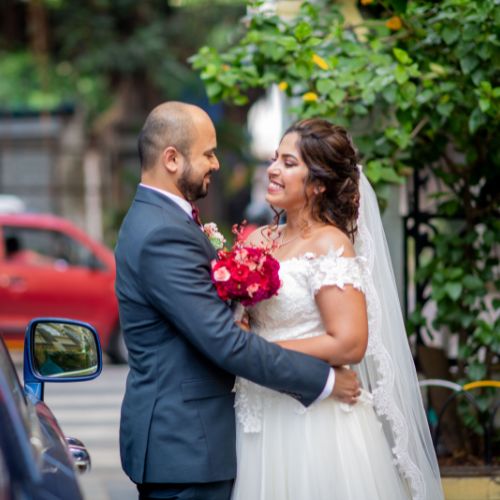
- Golden Hour: The hour before sunset offers soft, warm light that flatters skin tones and adds a dreamy quality to photos.
- Overcast Skies: Cloudy weather acts as a natural diffuser, providing even lighting and reducing harsh shadows.
Indoor Lighting
- Churches and Halls: These venues often have limited natural light, requiring photographers to rely on artificial lighting or adjust camera settings to capture the ambiance.
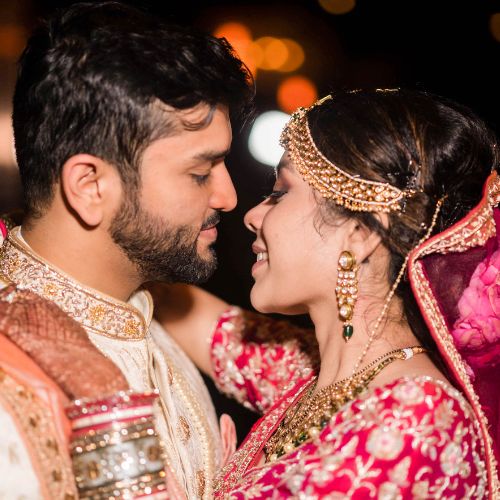
- Reception Venues: Dimly lit spaces with candles, string lights, or uplighting create a romantic atmosphere but pose challenges in achieving sharp, well-exposed images.
Mixed Lighting
wedding photography often feature a combination of light sources, such as natural light streaming through windows combined with artificial venue lighting. Managing these variations requires careful balancing to avoid color temperature mismatches.
Nighttime and Low-Light Conditions
Evening receptions, fireworks displays, and late-night dances typically occur in low-light settings. Photographers must creatively use flash, continuous lighting, or long exposures to capture these moments effectively.
3. Techniques for Adapting to Lighting Variations
Using Natural Light Effectively
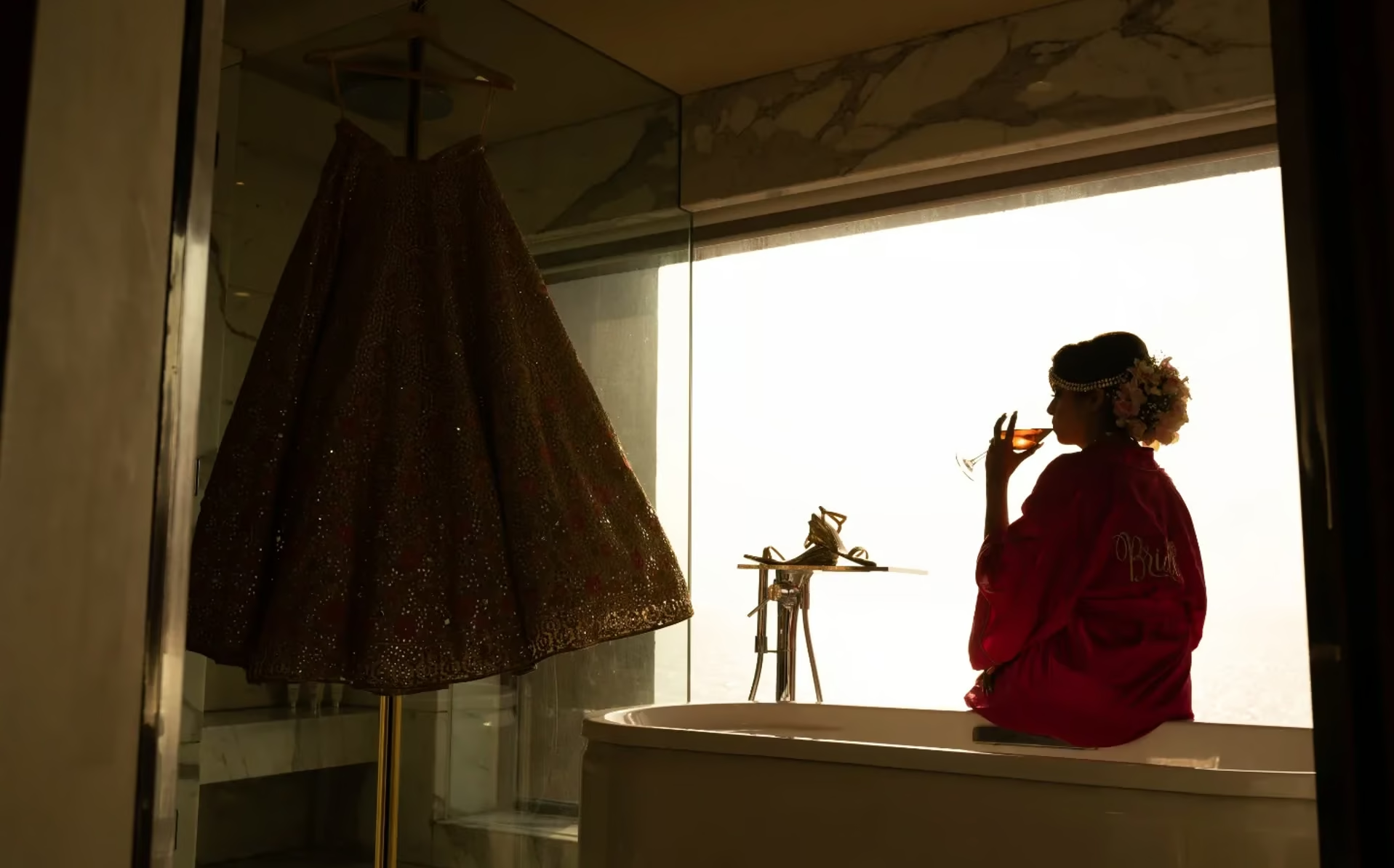
- Positioning: Place the couple at angles that make the most of available light. For example, side lighting can add depth, while backlighting creates dramatic silhouettes.
- Reflectors: Reflectors help bounce light onto subjects, softening shadows and illuminating details.
- Diffusers: Diffusing harsh sunlight reduces glare and prevents overexposure, especially during midday shoots.
Mastering Artificial Lighting
- Flash Photography: On-camera and off-camera flashes provide controlled lighting in dim settings. Diffusers or softboxes can soften the intensity of the flash.
- Continuous Lighting: LED panels or portable lights offer consistent illumination, allowing photographers to compose shots more accurately in low-light conditions.
- Light Modifiers: Tools like gels, snoots, and grids shape artificial light to create specific effects or match the venue’s lighting.
Balancing Mixed Lighting
- White Balance Adjustments: Manually adjust the camera’s white balance to harmonize different color temperatures, ensuring consistent tones in the final image.
- Color Correction in Post-Processing: Editing software can help correct color inconsistencies caused by mixed lighting sources.
Low-Light Photography Tips
- Wide Apertures: Use fast lenses (e.g., f/1.8 or f/2.8) to allow more light into the camera.
- Higher ISO Settings: Increase ISO sensitivity to brighten images, balancing noise reduction in post-processing.
- Tripods for Stability: Long exposures benefit from a stable setup to avoid motion blur in low-light environments.
4. Creative Use of Lighting in Wedding Photography
Silhouettes and Backlighting
Positioning the couple against a strong light source, such as a sunset or a spotlight, creates striking silhouettes that add drama and artistry to the composition.
Light Trails and Bokeh
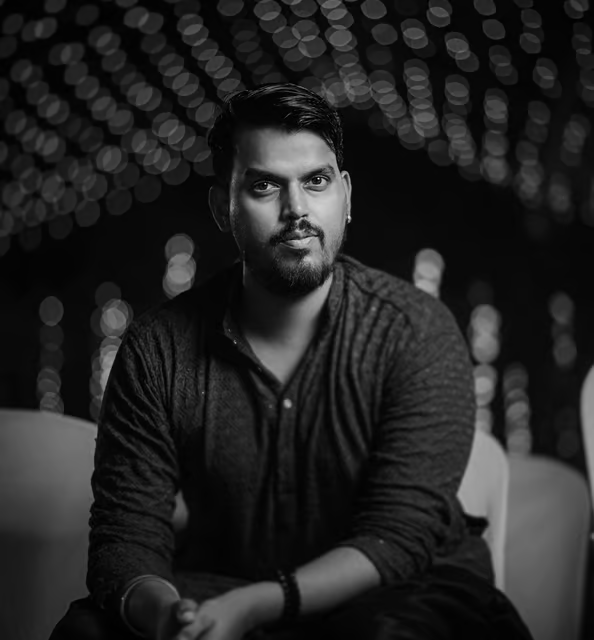
Using string lights or sparklers creatively, photographers can achieve dreamy bokeh effects or light trails, adding a magical element to the photographs.
Dramatic Shadows
Playing with light and shadow enhances depth and intrigue. Patterns from lace curtains or foliage can create unique shadow effects on the couple or the surroundings.
Lighting for Motion
Well-timed flashes or continuous lighting can freeze action during dances or create intentional motion blur for artistic flair.
5. Challenges in Managing Lighting Variations
Dynamic Wedding Timelines
wedding photography involve shifting from one location to another, each with unique lighting conditions. Photographers must adapt quickly, often without the chance to test settings extensively.
Harsh Sunlight
Midday sun can cause squinting, harsh shadows, and blown-out highlights. Finding shade or using fill light helps mitigate these issues.
Color Temperature Discrepancies
Mixed lighting sources can result in unflattering color casts, such as yellowish tones from tungsten bulbs or greenish hues from fluorescents. Balancing these requires expertise in both shooting and editing.
Unpredictable Weather
Outdoor weddings are subject to sudden changes in light due to cloud cover or shifting weather, demanding flexibility and preparedness from photographers.
6. Essential Equipment for Handling Lighting Variations
Reflectors and Diffusers
Portable and versatile, these tools are indispensable for managing natural light and reducing harsh shadows.
Speedlights and Flashes
External flashes with adjustable power settings provide flexibility in diverse lighting conditions. Off-camera setups offer even greater creative control.
Continuous LED Lights
Lightweight and portable, LED panels provide consistent lighting, especially in low-light or indoor settings.
Light Stands and Modifiers
Tools like softboxes, umbrellas, and grids help control and diffuse light, creating flattering and consistent illumination.
High-Quality Lenses
Fast lenses with wide apertures perform exceptionally well in low-light situations, reducing reliance on artificial lighting.
7. The Role of Post-Processing in Managing Lighting Variations
Editing software like Adobe Lightroom and Photoshop allows photographers to refine images by:
- Adjusting exposure and contrast.
- Balancing highlights and shadows.
- Correcting white balance for consistent color tones.
- Adding creative effects, such as vignettes or selective lighting enhancements.
Post-processing complements in-camera techniques, ensuring every photograph reflects the intended vision.
8. Trends in wedding photography Lighting
Natural Light Photography
Minimalist and organic styles prioritize natural light to create authentic and timeless images.
Moody and Dramatic Lighting
High-contrast lighting setups, often used for editorial-style photography, add a sense of sophistication and depth.
Creative Light Installations
Couples increasingly incorporate string lights, neon signs, and chandeliers into their decor, providing photographers with innovative lighting opportunities.
9. The Significance of Emotional Anticipation
Preserving the Raw Emotion
The emotions leading up to key moments—like the vows or the first dance—are intense and fleeting. Wedding photography captures these raw feelings, preserving them for the couple to revisit.
Creating Timeless Memories
A wedding day is packed with emotions that define the couple’s journey. Anticipatory moments captured in photographs transcend time, allowing couples to relive the nervous excitement and overwhelming love years later.
Elevating the Narrative
Emotions add depth to wedding photography, transforming it from a mere record of events into a compelling story. Capturing anticipation sets the tone for the entire wedding album.
10. Moments of Anticipation in Wedding Photography
The Pre-Ceremony Excitement
- Bridal Preparations: The quiet moments as the bride gets ready, her friends and family bustling around, are filled with emotion and anticipation. A photographer might capture the bride gazing into a mirror, holding her bouquet, or sharing a laugh with her bridesmaids.
- The Groom’s Preparation: The groom adjusting his tie or sharing a toast with his groomsmen is equally rich in emotion, showing a mix of excitement and nervousness.
The First Look
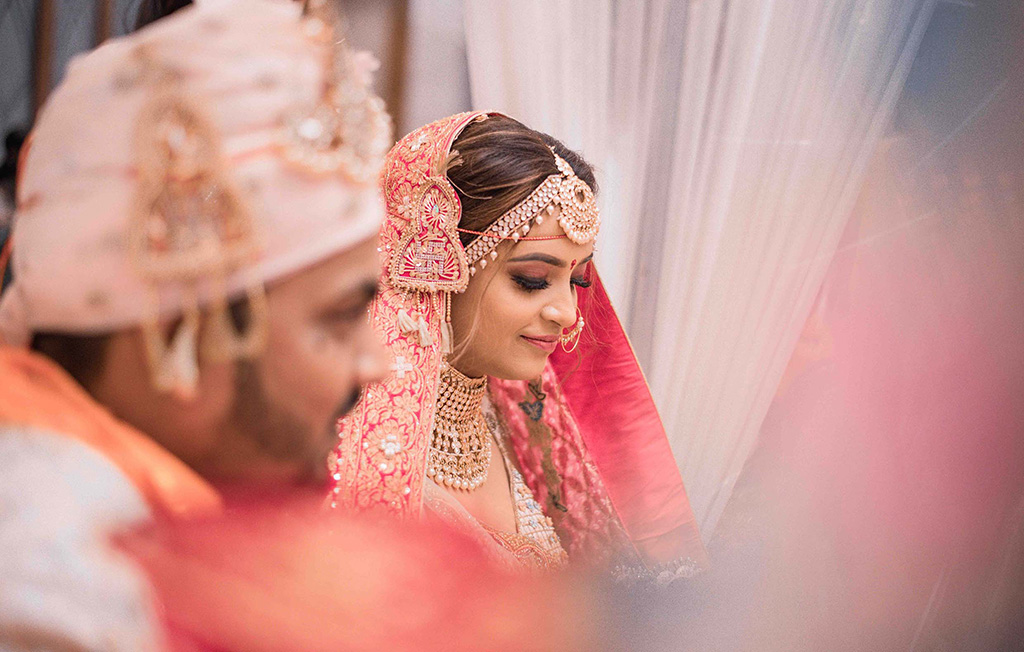
The “first look” moment, where the couple sees each other for the first time before the ceremony, is a treasure trove of anticipation. The expressions of love, joy, and awe are often among the most cherished images.
Walking Down the Aisle
The bride’s walk down the aisle, the groom’s reaction, and the guests’ emotional faces are filled with anticipation and serve as powerful storytelling moments.
The Exchange of Vows
The seconds leading up to the exchange of vows or the first kiss capture a quiet intensity that showcases the depth of the couple’s commitment.
The Reception Build-Up
As the couple prepares for their first dance or the toasts begin, photographers can capture the excitement and joy in candid moments among guests and family.
11. Techniques for Capturing Emotional Anticipation
Observation and Intuition
Photographers need to anticipate moments before they happen. By closely observing body language, subtle cues, and interactions, they can position themselves to capture emotions as they unfold.
Candid Photography
Candid shots often reveal unfiltered emotions. A skilled photographer blends into the background, allowing the couple and guests to express themselves naturally.
Close-Ups
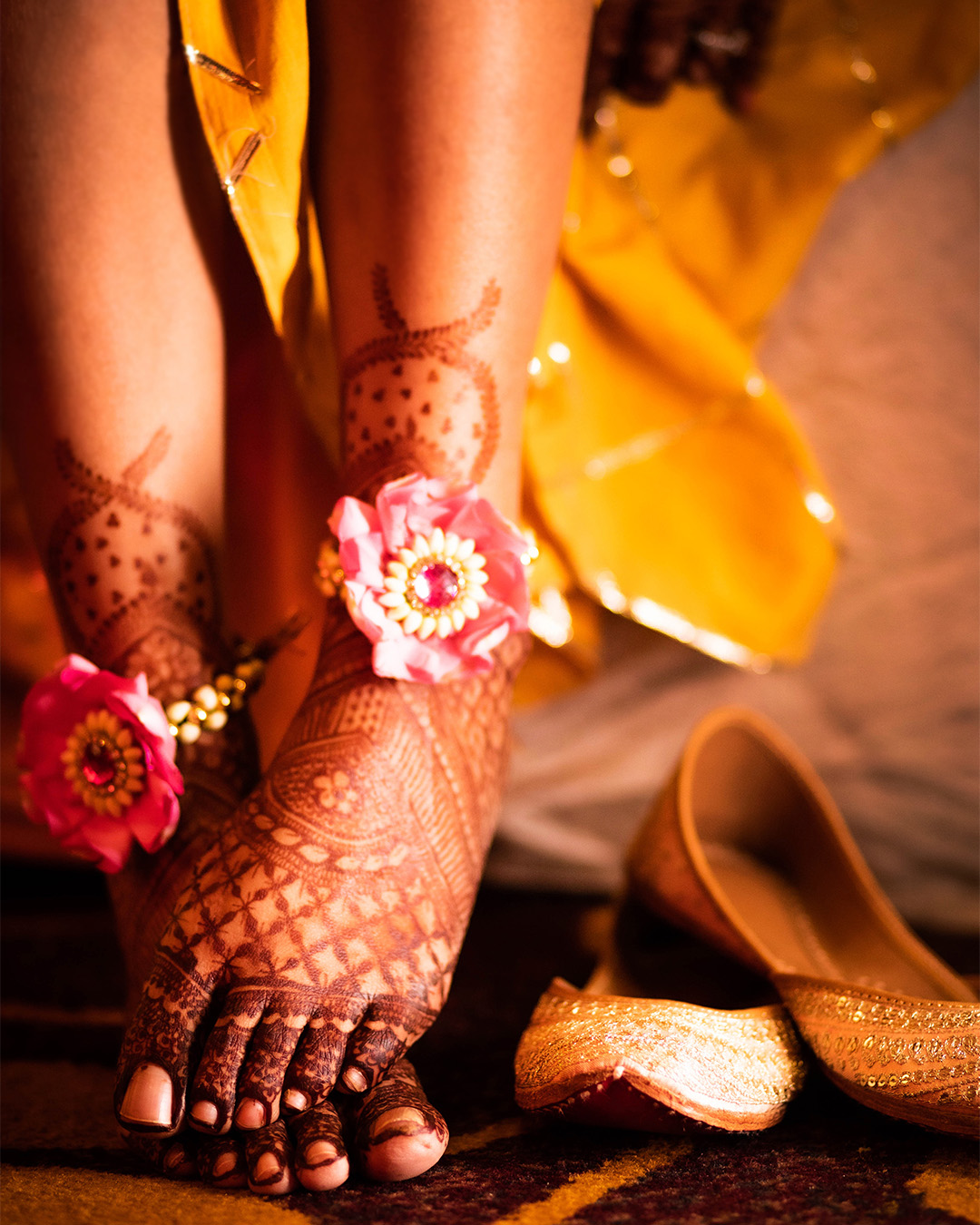
Zooming in on facial expressions, clasped hands, or other details emphasizes the intensity of anticipation. These small, personal moments often carry the most emotional weight.
Light and Composition
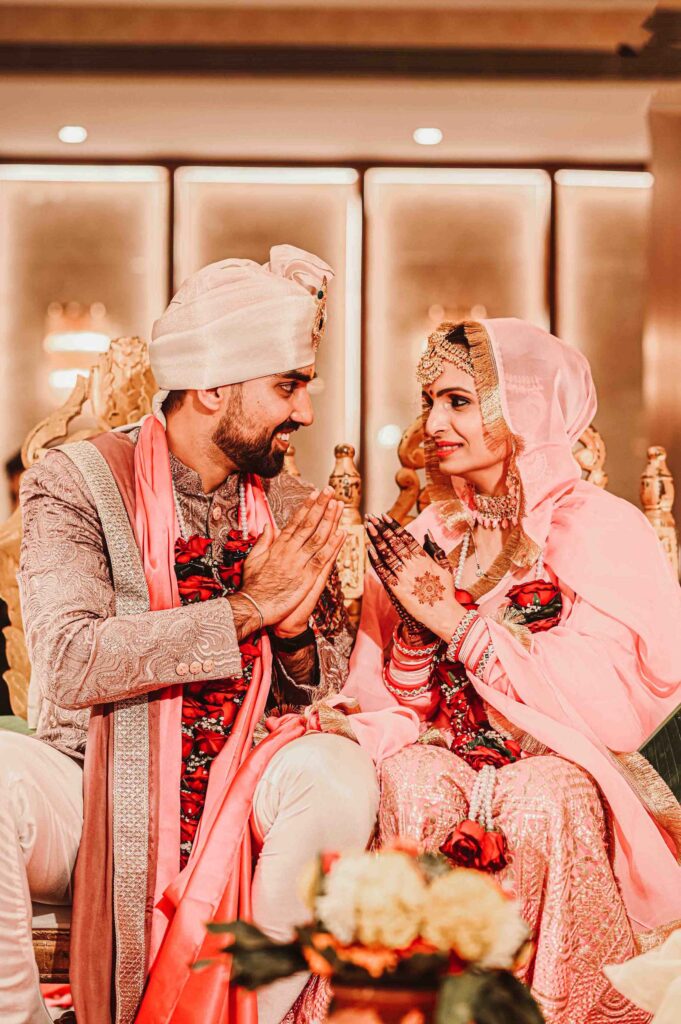
Using natural light or soft, diffused lighting can enhance the emotional atmosphere of a photograph. Composition techniques like framing or using reflections also elevate the storytelling.
Patience and Timing
Emotional anticipation requires patience. wedding photography must be ready to capture split-second reactions, such as the groom’s expression when he sees the bride or a parent’s tearful smile.
12. Conclusion
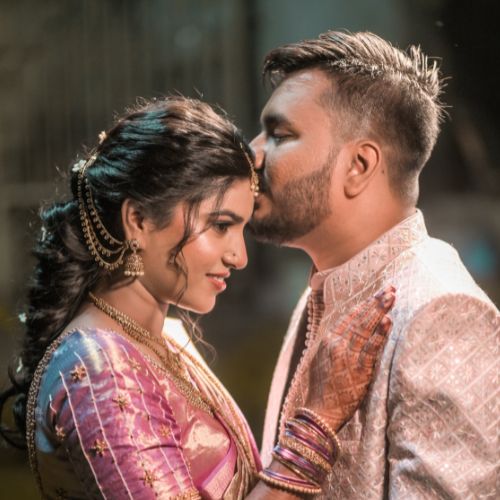
Lighting variations in wedding photography are both a challenge and an opportunity. Mastering the interplay of natural and artificial light empowers photographers to adapt to any situation, ensuring every moment is beautifully captured. By combining technical expertise with creative vision, photographers can use lighting to enhance storytelling, evoke emotions, and create timeless memories that couples will cherish forever.
From sunlit ceremonies to candlelit receptions, the ability to navigate diverse lighting conditions is a hallmark of exceptional wedding photography Through skillful manipulation of light, photographers transform fleeting moments into works of art, preserving the magic of a wedding day for generations to come.